

Hey there, fellow farmers and folks in the agricultural business! I'm a supplier of farm inner tubes, and I've been in this game for quite a while. Today, I wanna chat about what the quality standard of farm inner tubes is.
First off, let's talk about materials. The material of a farm inner tube is super important. It's gotta be tough enough to handle the rough and tumble of farm work. Most high - quality farm inner tubes are made from natural rubber or a blend of natural and synthetic rubbers. Natural rubber has great elasticity and resilience. It can stretch and bounce back without losing its shape easily. This is crucial because farm vehicles often go over uneven terrain, and the inner tube needs to adapt to all those bumps and dips.
For example, when a tractor is plowing a field with lots of rocks and roots, the inner tube in its tires has to withstand the pressure and the sharp edges. If the rubber isn't of good quality, it can easily get punctured or develop cracks. Synthetic rubbers, on the other hand, can add extra strength and resistance to things like heat and chemicals. Some farms use pesticides and fertilizers, and the inner tubes might come into contact with these substances. A blend of natural and synthetic rubbers can provide better protection against chemical damage.
Another key factor in the quality standard is the thickness of the inner tube. You don't want a tube that's too thin. A thin inner tube is more likely to burst under pressure. Imagine a large tractor carrying heavy loads. The weight puts a tremendous amount of pressure on the tires and the inner tubes inside them. If the inner tube is thin, it might not be able to handle that pressure, and you'll end up with a flat tire in the middle of a busy day on the farm.
On the flip side, a tube that's too thick can also be a problem. It can make the tire less flexible, which affects the vehicle's handling. The ideal thickness depends on the size and type of the tire. For smaller farm equipment like garden tractors, a slightly thinner inner tube might be sufficient. But for large tractors and combines, a thicker tube is usually required.
The valve is also an important part of the farm inner tube. A good valve should be airtight. It's no use having a high - quality tube if the valve lets air escape. There are different types of valves, such as the Schrader valve and the Presta valve. The Schrader valve is more common in farm applications because it's easy to use and can handle high - pressure inflation. When you're inflating the tire, you want the valve to hold the air in securely. A faulty valve can lead to slow leaks, which means you'll have to keep inflating the tire more often. This is not only a hassle but also affects the performance of the vehicle.
Now, let's talk about the manufacturing process. A well - made farm inner tube should be free from defects. During the manufacturing process, there can be issues like air bubbles or uneven thickness. These defects can weaken the tube and make it more prone to failure. Reputable manufacturers use quality control measures to ensure that each inner tube meets the required standards. They inspect the tubes for any visible defects and test them for airtightness and strength.
When it comes to sizing, the inner tube has to fit the tire perfectly. If it's too small, it won't be able to fill the tire properly, and it can bunch up inside, causing uneven wear. If it's too large, it can be difficult to install and might not hold the air as effectively. You need to know the exact size of your tire before you buy an inner tube. For instance, if you have a 32 - inch tire, you should get a 32 Inch Farm Specialist Tire Tube that's specifically designed for that size.
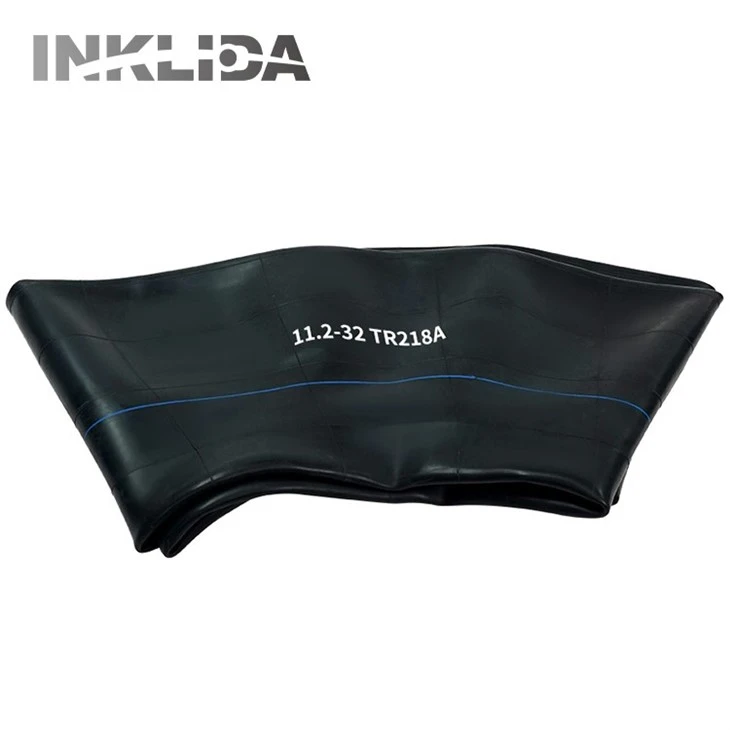
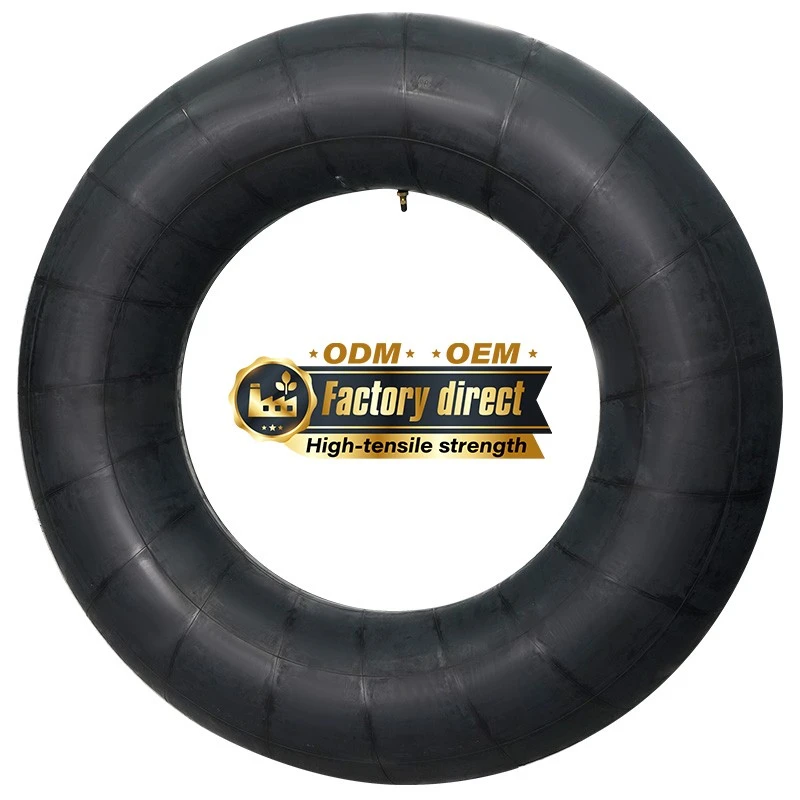
Durability is a major part of the quality standard. Farm inner tubes are expected to last a long time. They should be able to withstand repeated use and exposure to the elements. UV rays from the sun can degrade the rubber over time, so a good inner tube should have some level of UV resistance. Also, extreme temperatures can affect the performance of the tube. In cold weather, the rubber can become brittle, and in hot weather, it can expand and become softer. A high - quality inner tube is designed to handle these temperature variations without losing its integrity.
Let's not forget about the price - quality ratio. You don't always have to go for the most expensive inner tube to get good quality. There are some mid - range products that offer a great balance between price and performance. However, be wary of extremely cheap inner tubes. They might seem like a good deal at first, but they often don't meet the necessary quality standards. You'll end up spending more in the long run because you'll have to replace them more frequently.
If you're in the market for tractor inner tubes, we also have 14.9R3 Tractor Inner Tubes Wholesale options available. These are great for those who need to buy in bulk. And for a specific size like the 12.4 - 28 tractor tire, we offer the Tractor Tire Inner Tube 12.4 - 28.
In conclusion, the quality standard of farm inner tubes is a combination of factors including the material, thickness, valve quality, manufacturing process, sizing, durability, and price - quality ratio. As a supplier, I'm committed to providing high - quality farm inner tubes that meet all these standards. If you're looking for reliable farm inner tubes for your equipment, don't hesitate to reach out. We can discuss your specific needs and find the best solutions for you. Whether you're a small - scale farmer or run a large agricultural operation, we've got the right inner tubes for you. Let's work together to keep your farm vehicles running smoothly!
References
- "Tire Technology Handbook" by Klaus K. Winter
- Various industry reports on farm tire and inner tube manufacturing standards