

Hey there! As an industrial inner tube supplier, I often get asked about various technical aspects of our products, and one question that pops up quite a bit is, "What is the rebound resilience of an industrial inner tube?" Well, let's dive right into it and break it down in a way that's easy to understand.
Understanding Rebound Resilience
Rebound resilience is basically a measure of how well an inner tube can return to its original shape after being deformed. When a tire with an inner tube rolls over the ground, it experiences a whole bunch of forces that cause it to compress and deform. The rebound resilience tells us how efficiently the inner tube can bounce back from that deformation.
Think of it like a rubber ball. When you drop a rubber ball on the floor, it hits the ground, flattens out a bit, and then bounces back up. The higher the bounce, the better the rebound resilience of the ball. In the same way, an industrial inner tube with good rebound resilience can quickly regain its shape after being squished by the weight of a vehicle or equipment.
Why Rebound Resilience Matters
You might be wondering, "Why does this even matter?" Well, there are several reasons why rebound resilience is crucial for industrial inner tubes.
1. Energy Efficiency
A high - rebound inner tube can save energy. When the tube quickly returns to its original shape, it requires less energy to keep the tire rolling. This is especially important for industrial vehicles that operate for long hours. For example, forklifts in a busy warehouse are constantly on the move. Using inner tubes with good rebound resilience can reduce the energy consumption of these forklifts, which in turn cuts down on operating costs.
2. Ride Comfort
Good rebound resilience also contributes to a smoother ride. When the inner tube can quickly recover from impacts, it helps to absorb shocks and vibrations. This is a big deal for operators of industrial equipment, like those driving forklifts. A more comfortable ride means less fatigue for the operator, which can improve productivity and safety.
3. Durability
Inner tubes with high rebound resilience are generally more durable. They can withstand repeated cycles of deformation and recovery without getting damaged easily. This means fewer replacements and less downtime for your industrial vehicles or equipment.
Factors Affecting Rebound Resilience
Several factors can influence the rebound resilience of an industrial inner tube.
1. Material
The type of rubber used in the inner tube is a major factor. Different rubber compounds have different levels of elasticity and rebound properties. For example, natural rubber is known for its high resilience, while some synthetic rubbers may offer a balance of resilience and other properties like heat resistance. At our company, we carefully select the rubber materials to ensure that our inner tubes have optimal rebound resilience.
2. Manufacturing Process
The way the inner tube is made also matters. The curing process, for instance, can significantly affect the final properties of the rubber. If the curing is not done correctly, the rubber may not have the desired level of rebound resilience. We use state - of - the - art manufacturing techniques to ensure that each inner tube we produce meets our high standards of quality.
3. Design
The design of the inner tube, including its thickness and shape, can impact rebound resilience. A well - designed inner tube can distribute the forces evenly during deformation, allowing it to bounce back more effectively.
Our Product Range and Rebound Resilience
We offer a wide range of industrial inner tubes, each designed to meet specific needs.
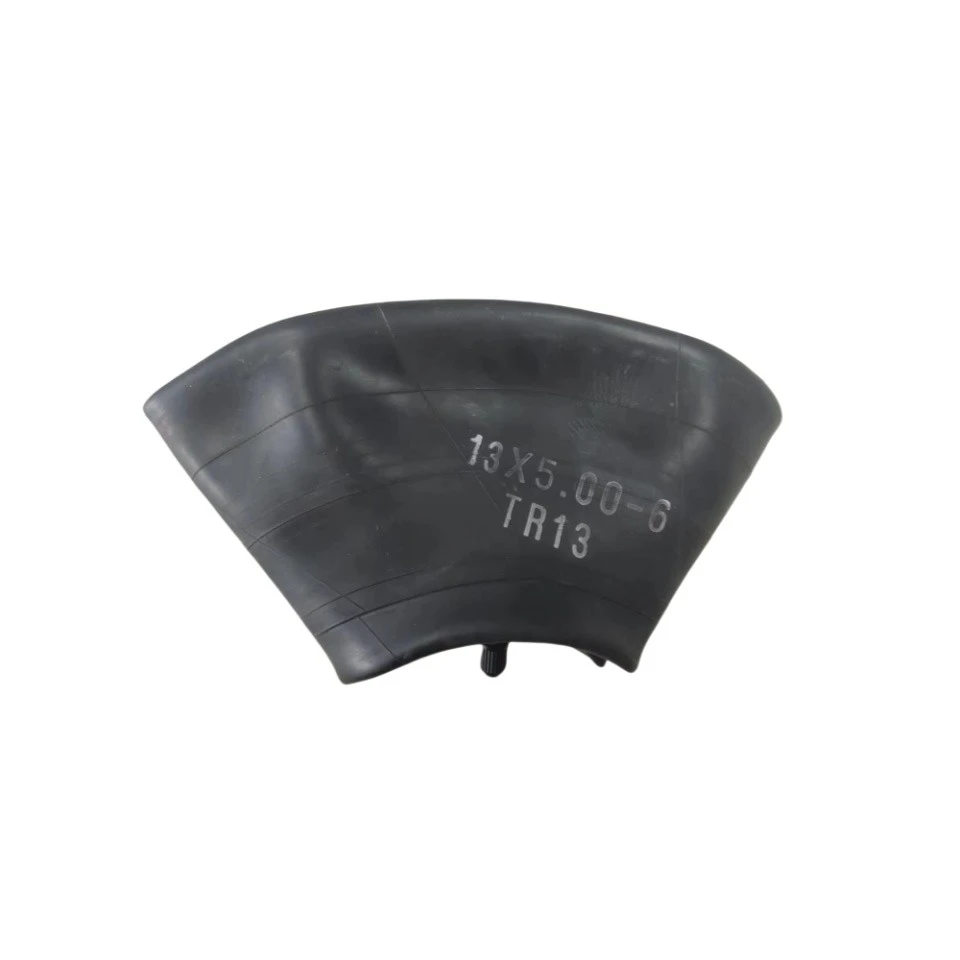
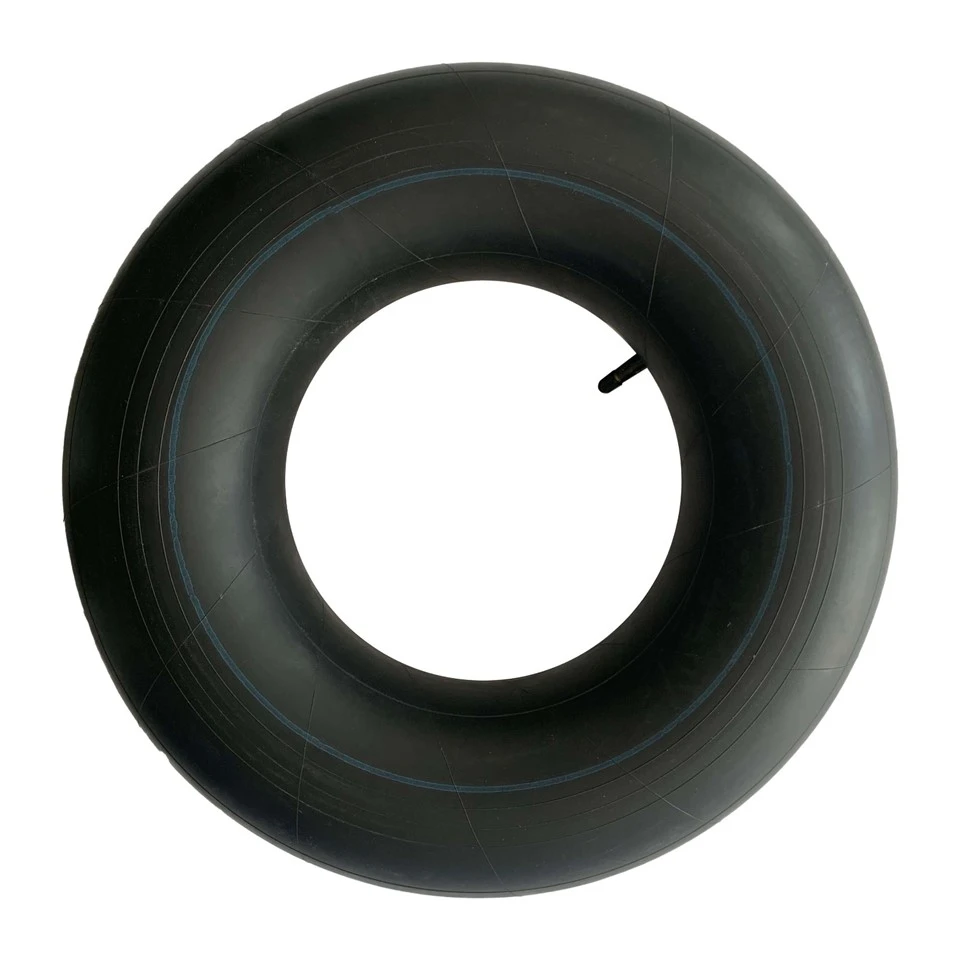
3.50 - 8 Inner Tube
Our 3.50 - 8 inner tubes are made from high - quality rubber compounds that have excellent rebound resilience. These inner tubes are commonly used in small industrial vehicles and equipment. The high rebound helps to keep these vehicles running smoothly and efficiently.
Forklift Inner Tubes
Forklifts are a staple in many industrial settings, and our forklift inner tubes are designed with rebound resilience in mind. They can handle the heavy loads and constant movement of forklifts, providing a comfortable ride for the operators and reducing energy consumption.
9 Inch Forklift Tire Tube
The 9 - inch forklift tire tubes we offer are another great example of our commitment to high - quality products. These tubes are engineered to have optimal rebound resilience, ensuring that forklifts can operate at their best.
Testing and Quality Assurance
We take the rebound resilience of our inner tubes very seriously. We have a rigorous testing process in place to ensure that each tube meets our quality standards. Our testing facilities use advanced equipment to measure the rebound resilience of the inner tubes under different conditions. This allows us to identify any potential issues and make adjustments to our manufacturing process if needed.
Conclusion
So, there you have it! Rebound resilience is a key property of industrial inner tubes that affects energy efficiency, ride comfort, and durability. At our company, we're dedicated to providing inner tubes with excellent rebound resilience to meet the needs of our customers.
If you're in the market for industrial inner tubes and want to learn more about how our products can benefit your operations, we'd love to hear from you. Whether you're looking for 3.50 - 8 Inner Tube, Forklift Inner Tubes, or 9 Inch Forklift Tire Tube, we can help. Contact us today to start a conversation about your specific requirements.
References
- Rubber Technology Handbook, Werner Hofmann
- Industrial Tire and Inner Tube Standards, International Organization for Standardization