

The rubber compound used in a truck inner tube plays a crucial and multi - faceted role that directly impacts the performance, durability, and safety of the entire tire system. As a dedicated truck inner tube supplier, I have witnessed firsthand how the quality and properties of the rubber compound can make a significant difference in the end - product.
1. Fundamental Function: Air Retention
The most basic and essential role of the rubber compound in a truck inner tube is to retain air. Trucks operate under heavy loads and often travel long distances. A well - formulated rubber compound forms an air - tight seal within the tire, preventing air from escaping. This is critical because even a small air leak can lead to under - inflation, which in turn causes uneven tire wear, increased fuel consumption, and a higher risk of tire failure.
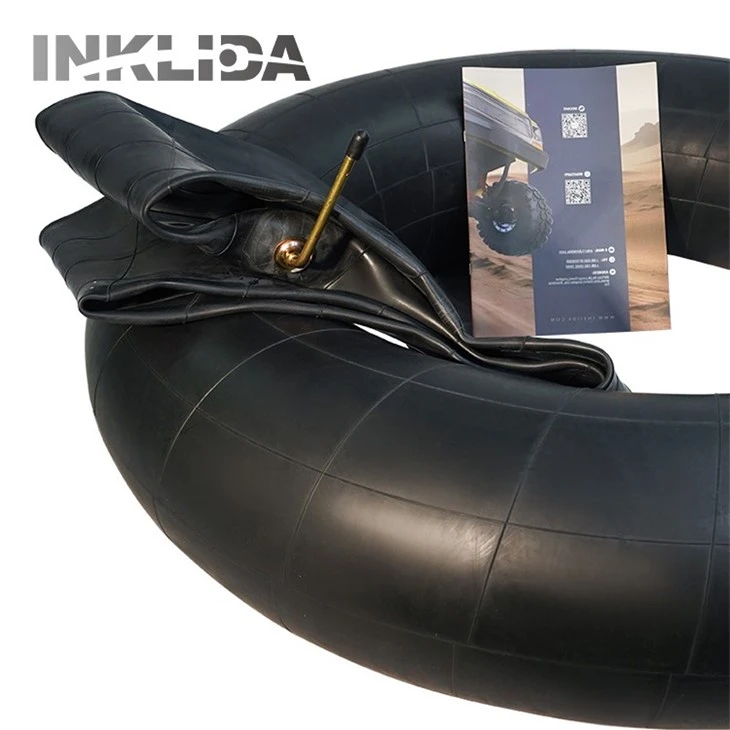
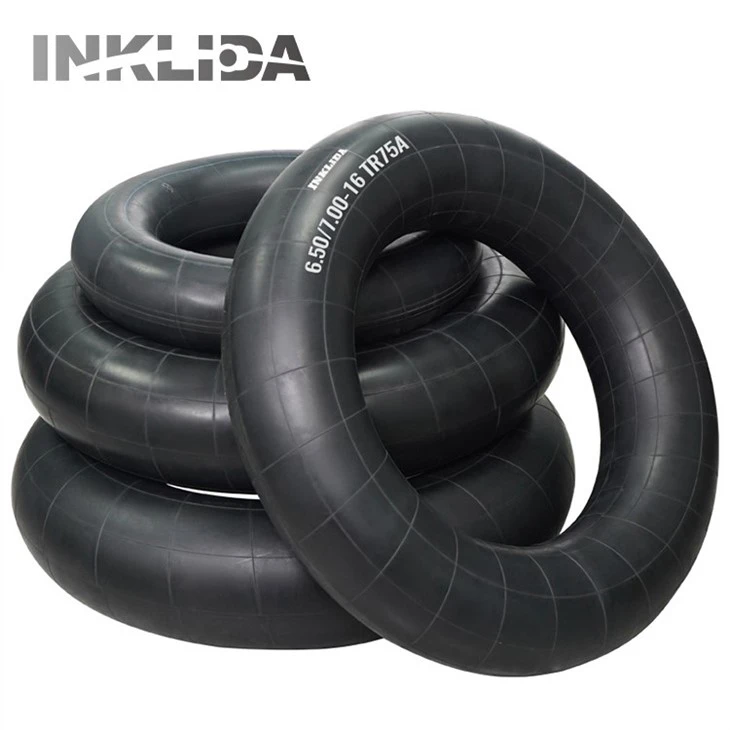
For example, our Truck Inner Tube 14.00 - 20 TR179A is crafted with a high - grade rubber compound that offers excellent air - tightness. The molecular structure of the rubber is designed to minimize the diffusion of air through its matrix. This means that the inner tube can maintain the correct air pressure for an extended period, ensuring optimal tire performance and reducing the frequency of inflation checks.
2. Flexibility and Resistance to Deformation
Truck inner tubes are constantly subjected to mechanical stresses as the truck moves. The road surface is often uneven, and the tires experience vibrations, shocks, and bending forces. A good rubber compound must provide the inner tube with sufficient flexibility to adapt to these dynamic conditions without deforming permanently.
Our 17 Inch Truck Inner Tube features a rubber compound that offers high flexibility. It can bend and stretch as the tire rotates and encounters bumps on the road. At the same time, it has a high resistance to permanent deformation. This property is achieved through a careful selection of rubber polymers and the addition of specific additives. The rubber can return to its original shape after being deformed, which helps to maintain the integrity of the inner tube and ensures a long service life.
3. Heat Resistance
Truck tires generate a significant amount of heat during operation, especially when the truck is carrying heavy loads or traveling at high speeds. Excessive heat can degrade the rubber compound in the inner tube, leading to reduced strength, increased brittleness, and ultimately, failure.
The rubber compound used in our inner tubes is engineered to have excellent heat resistance. Special heat - resistant additives are incorporated into the compound during the manufacturing process. These additives help to dissipate heat more effectively and prevent the rubber from reaching temperatures that could cause damage. For instance, in long - haul trucking applications where the tires are constantly in motion for hours on end, our inner tubes can withstand the high - temperature environment, ensuring reliable performance.
4. Chemical Resistance
Truck inner tubes may come into contact with various chemicals on the road, such as oil, grease, and road salts. These chemicals can potentially damage the rubber compound, causing it to swell, crack, or lose its mechanical properties.
Our Inner Tube Truck Tire is made with a rubber compound that has good chemical resistance. The rubber is formulated to be resistant to the corrosive effects of these chemicals. This protection is vital because it helps to maintain the structural integrity of the inner tube and extends its service life, even in harsh operating environments.
5. Tear and Abrasion Resistance
The inner tube is also at risk of being torn or abraded by sharp objects inside the tire, such as rocks or debris that may have entered the tire cavity. A rubber compound with high tear and abrasion resistance is essential to prevent punctures and leaks.
Our rubber compounds are designed to be tough and durable. They have a high resistance to tearing, which means that even if the inner tube comes into contact with a sharp object, it is less likely to develop a large tear. Additionally, the abrasion resistance of the rubber helps to protect the inner tube from the friction caused by the movement of the tire components, ensuring that it remains intact over time.
6. Adhesion to the Tire
A proper bond between the inner tube and the tire is crucial for the overall performance of the tire system. The rubber compound in the inner tube must have good adhesion properties to ensure that it stays in place inside the tire.
During the manufacturing process, we take special measures to ensure that the rubber compound adheres well to the tire. This is achieved through surface treatments and the use of adhesion - promoting agents. A strong bond between the inner tube and the tire helps to distribute the stresses evenly across the tire, reducing the risk of separation and improving the overall stability of the tire.
7. Impact on Cost - Efficiency
The quality of the rubber compound also has a significant impact on cost - efficiency. A high - quality rubber compound may have a higher initial cost, but it can lead to long - term savings. Inner tubes made with a superior rubber compound last longer, reducing the frequency of replacements. They also contribute to better fuel efficiency by maintaining proper tire inflation, which can result in substantial savings over the life of the truck.
In conclusion, the rubber compound in a truck inner tube is far more than just a simple material. It is the key to ensuring the performance, durability, and safety of the tire system. As a truck inner tube supplier, we are committed to using the best rubber compounds in our products to meet the diverse needs of our customers. If you are in the market for high - quality truck inner tubes, we invite you to contact us for procurement and further discussions. We look forward to working with you to provide the best solutions for your trucking needs.
References
- Rubber Technology Handbook, Werner Hofmann
- Tire and Wheel Technology, Fred Oswald