

Hey there, fellow farming enthusiasts! As an agricultural tire supplier, I often get asked about all sorts of tire-related stuff. One question that pops up quite a bit is, "What is the sidewall strength of agricultural tires?" Well, let's dive right into it.
First off, the sidewall of an agricultural tire is a crucial part of the whole setup. It's not just there for show; it plays a super important role in how the tire performs in the field. The sidewall strength refers to the ability of the tire's side part to withstand various forces and conditions.
You see, when you're out in the fields, agricultural tires face some pretty tough situations. There are bumps, rocks, and uneven terrain to deal with. The sidewall has to be strong enough to resist cuts, punctures, and abrasions. For example, if you're working in a field with a lot of sharp stones, a weak sidewall could easily get damaged, leading to a flat tire and a whole lot of hassle.
One factor that affects sidewall strength is the construction of the tire. There are two main types of agricultural tire construction: bias and radial. Bias tires have layers of cords that run diagonally across the tire. These cords give the sidewall a certain amount of strength and flexibility. On the other hand, radial tires have cords that run perpendicular to the direction of travel. Radial tires often have a stronger sidewall because the cords are arranged in a way that provides better support.
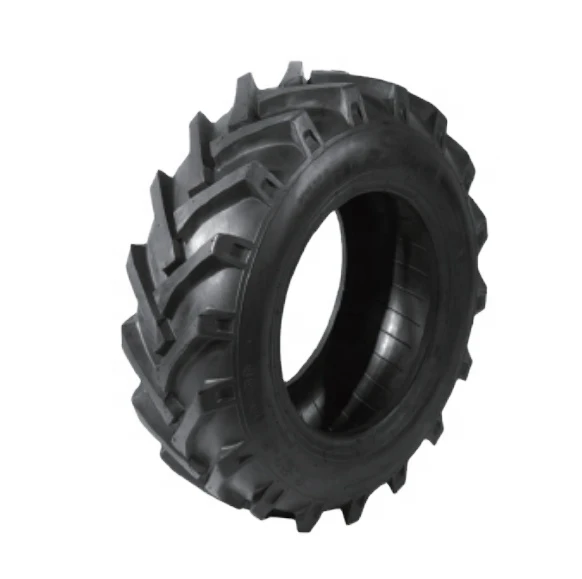
Let's talk a bit more about bias tires. They've been around for a long time and are still widely used in agriculture. Bias Tractor Front Tyre 7.50 - 16 is a great example of a bias tire. The sidewall of a bias tire can handle a fair amount of stress, especially when it comes to carrying heavy loads. However, they might be a bit more prone to cuts compared to radial tires because of the diagonal cord arrangement.
Radial tires, on the other hand, offer some distinct advantages when it comes to sidewall strength. The perpendicular cord arrangement gives the sidewall better resistance to flexing and fatigue. This means that radial tires can often last longer and perform better in tough conditions. If you're interested in learning more about the different types of agricultural tires, check out AGR Tire Bias And Radial Types.
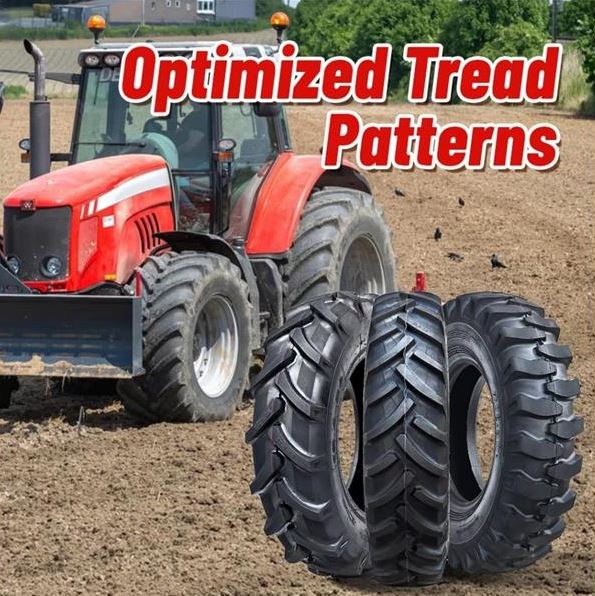
Another thing that impacts sidewall strength is the materials used in the tire. High - quality rubber compounds can make a big difference. Tires made with a tougher rubber are more likely to have a stronger sidewall. Some manufacturers also add special additives to the rubber to improve its resistance to wear and tear.
The inflation pressure of the tire also plays a role in sidewall strength. If a tire is under - inflated, the sidewall has to bear more of the load, which can lead to excessive flexing and damage over time. On the other hand, over - inflating a tire can make the sidewall too stiff and less able to absorb shocks. So, it's really important to maintain the right inflation pressure for your agricultural tires.
Now, let's think about the different types of farming operations and how sidewall strength matters. For dry land use, like in a wheat or corn field, you might need tires with a good balance of sidewall strength and traction. R1 Tractor Tires for Dry Land Use are designed to handle these conditions. The sidewall needs to be strong enough to resist the impacts from rocks and uneven ground, but also allow the tire to flex enough to provide good traction.
In wet or muddy fields, sidewall strength is just as important. The tires have to deal with the extra resistance of the mud, and a weak sidewall could easily get damaged. A strong sidewall helps the tire maintain its shape and perform well in these challenging conditions.
So, why does all this matter to you as a farmer? Well, a tire with good sidewall strength means less downtime. You won't have to worry as much about flat tires or tire damage, which can save you a lot of time and money in the long run. It also means better performance in the field. Your equipment will be able to operate more efficiently, and you'll get more work done.
As an agricultural tire supplier, I know how important it is to choose the right tires for your needs. We offer a wide range of agricultural tires, each designed with different sidewall strengths to suit various farming operations. Whether you need bias or radial tires, we've got you covered.
If you're in the market for new agricultural tires, I encourage you to get in touch with us. We can help you find the perfect tires for your equipment and your specific farming conditions. Don't let a weak sidewall slow you down. Invest in high - quality agricultural tires with strong sidewalls, and you'll see the difference in your farming operations.
Let's work together to keep your farm running smoothly. Contact us today to start the conversation about your tire needs.
References
- Agricultural Tire Handbook, Various Authors
- Tire Technology Publications, Tire Manufacturers Association