

Hey there! As an industrial tire flap supplier, I've been getting a lot of questions lately about the static electricity resistance of industrial tire flaps. So, I thought I'd sit down and write this blog to share some insights on this topic.
First off, let's talk about what static electricity is. Static electricity is an imbalance of electric charges within or on the surface of a material. When two materials come into contact and then separate, electrons can transfer from one material to the other. This can result in one material becoming positively charged and the other negatively charged. In an industrial setting, static electricity can be a real pain in the neck. It can cause all sorts of problems, like attracting dust and debris, interfering with electronic equipment, and even posing a fire or explosion hazard in environments where flammable substances are present.
Now, when it comes to industrial tire flaps, static electricity resistance is super important. You see, as the tires roll along the ground, there's a lot of friction happening. This friction can generate static electricity. If the tire flaps don't have good static electricity resistance, the static charge can build up and cause issues.
So, how do we measure the static electricity resistance of industrial tire flaps? Well, there are a few different methods. One common way is to use a surface resistance meter. This device measures the electrical resistance of the surface of the tire flap. A lower surface resistance means that the tire flap is better at conducting electricity, which helps to dissipate the static charge.
Another important factor is the material used to make the tire flap. Different materials have different electrical properties. For example, rubber is a common material for tire flaps, but not all rubbers are created equal when it comes to static electricity resistance. Some types of rubber are formulated with special additives that improve their conductivity. These additives can help to prevent the build - up of static charge on the tire flap.
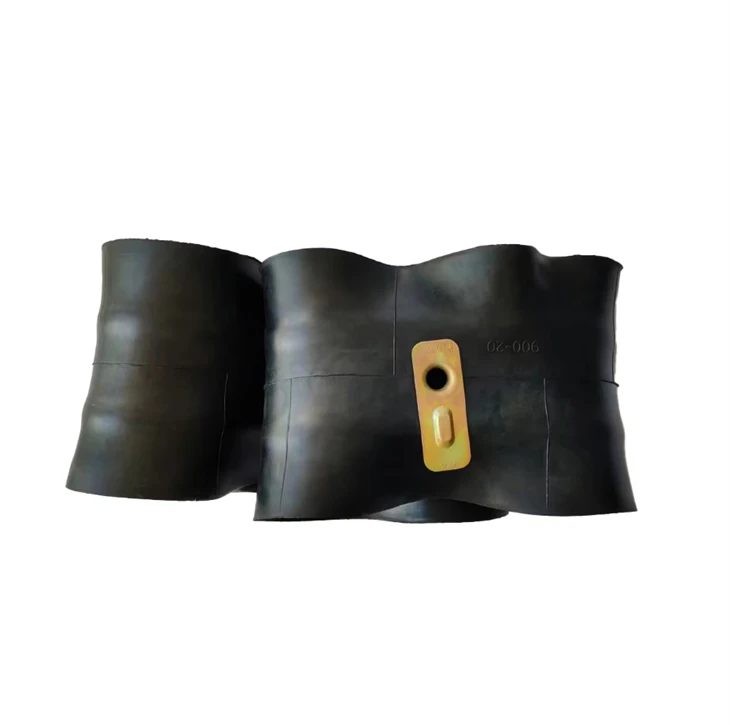
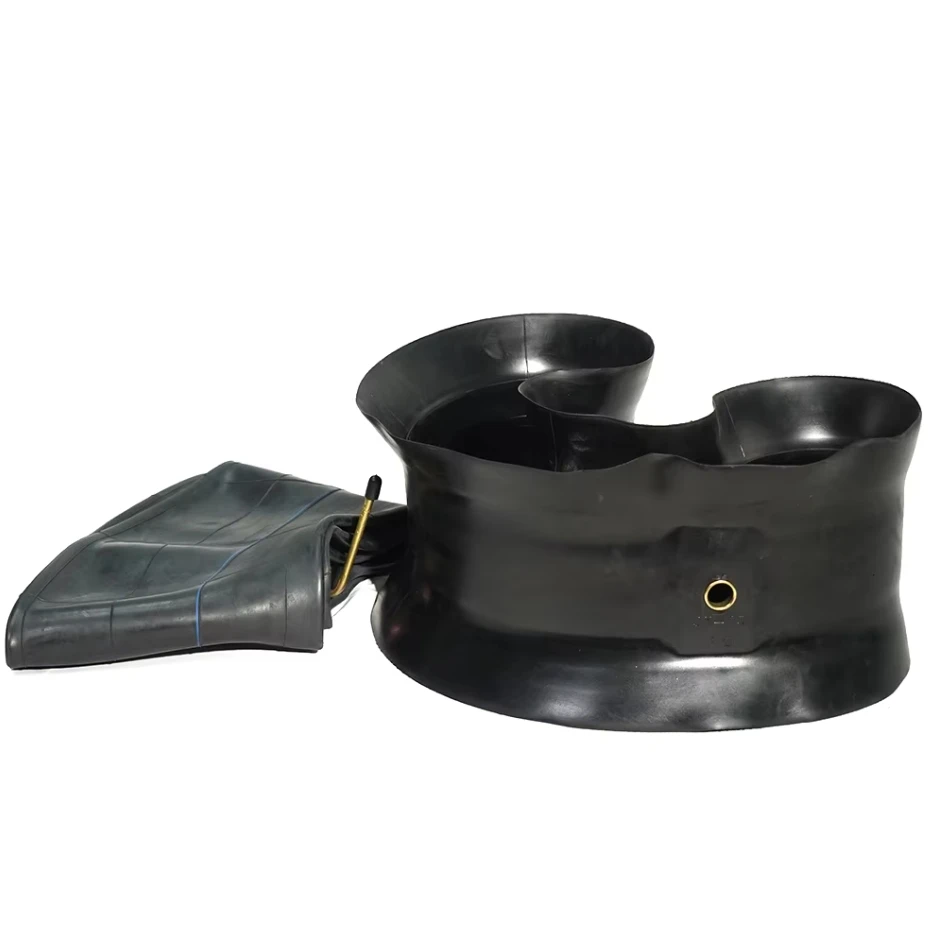
At our company, we're really focused on producing high - quality industrial tire flaps with excellent static electricity resistance. We use advanced manufacturing techniques and carefully select the materials to ensure that our tire flaps meet the highest standards.
Let me tell you about some of our popular products. We have the [Natural Tire Tube Flap 16/70 - 20]( /tire - flap/industrial - tire - flap/natural - tire - tube - flap - 16 - 70 - 20.html). This tire flap is made from high - quality natural rubber, which has been treated to enhance its static electricity resistance. It's designed to fit perfectly in industrial vehicles and provide long - lasting performance.
Then, there's the [Industrial Tyre Flap For Forklift]( /tire - flap/industrial - tire - flap/industrial - tyre - flap - for - forklift.html). Forklifts operate in all sorts of environments, and static electricity can be a big problem. Our forklift tire flaps are engineered to dissipate static charge quickly, reducing the risk of electrical interference and other issues.
And we also have the [Hot Selling Factory High Quality Industrial Truck Forklift Tiye Flap 900/1000R20]( /tire - flap/industrial - tire - flap/hot - selling - factory - high - quality - industrial.html). This is a heavy - duty tire flap that's built to withstand the rigors of industrial use. It has a special surface treatment that improves its static electricity resistance, making it a great choice for industrial trucks and forklifts.
When you're choosing an industrial tire flap, it's not just about the static electricity resistance. You also need to consider other factors like durability, flexibility, and fit. Our tire flaps are designed to be tough and long - lasting. They can handle a lot of wear and tear, which means you won't have to replace them as often. And they're flexible enough to conform to the shape of the tire, providing a snug fit.
In addition to the static electricity resistance and other performance features, we also pay a lot of attention to quality control. We have a strict quality control process in place to ensure that every tire flap that leaves our factory meets our high standards. We test each batch of tire flaps for various properties, including static electricity resistance, to make sure they're up to par.
Now, you might be wondering how much of a difference good static electricity resistance can make in your industrial operations. Well, it can make a huge difference. By reducing the build - up of static charge, you can prevent a lot of problems. For example, you'll have less dust and debris sticking to the tires and tire flaps, which means less maintenance. You'll also reduce the risk of electrical interference with sensitive equipment in your facility. And in environments where there are flammable substances, good static electricity resistance can be a real lifesaver by reducing the risk of fire or explosion.
If you're in the market for industrial tire flaps, I really encourage you to consider our products. We've put a lot of time and effort into developing high - quality tire flaps with excellent static electricity resistance. Whether you need tire flaps for forklifts, industrial trucks, or other vehicles, we've got you covered.
If you have any questions or want to learn more about our products, feel free to reach out. We're always happy to have a chat and help you find the right tire flaps for your needs. And if you're ready to make a purchase, we're here to assist you through the whole process. So, don't hesitate to get in touch and start a conversation about how our industrial tire flaps can benefit your operations.
References
- ASTM International. (2023). Standard test methods for electrical resistivity of conductors and resistors.
- Rubber Manufacturers Association. (2022). Technical guidelines for rubber products in industrial applications.