

A motorcycle inner tube recall can be a stressful situation, both for consumers and suppliers like me. As a motorcycle inner tube supplier, I understand the concerns and questions that arise when a recall is announced. In this blog post, I'll share some insights on what to do if your motorcycle inner tube is recalled, from the perspective of both the consumer and the supplier.
Understanding the Recall
First and foremost, it's essential to understand what a recall means. A recall is issued when a product is found to have a defect that could pose a safety risk or fail to meet certain standards. In the case of motorcycle inner tubes, this could be due to manufacturing defects, material issues, or other problems that may affect the performance or safety of the tube.
When a recall is announced, it's usually accompanied by detailed information about the affected products, including the make, model, and batch numbers. This information is crucial for both consumers and suppliers to identify whether their products are part of the recall.
For Consumers
1. Check if Your Inner Tube is Affected
As soon as you hear about a recall, the first step is to check if your motorcycle inner tube is part of the affected batch. You can do this by referring to the recall notice, which should provide clear instructions on how to identify the affected products. Look for the make, model, and batch numbers on your inner tube and compare them with the information in the recall notice.
If you're unsure whether your inner tube is affected, you can contact the manufacturer or the supplier for assistance. They should be able to provide you with more information and help you determine if your product needs to be replaced.
2. Stop Using the Affected Inner Tube
Once you've confirmed that your inner tube is part of the recall, it's important to stop using it immediately. Continuing to use a recalled inner tube can pose a significant safety risk, as the defect could lead to a blowout or other problems while you're riding.
Remove the affected inner tube from your motorcycle and store it in a safe place until you can arrange for a replacement. If you're not comfortable removing the inner tube yourself, you can take your motorcycle to a professional mechanic or a motorcycle dealership for assistance.
3. Contact the Supplier or Manufacturer
After stopping using the affected inner tube, the next step is to contact the supplier or the manufacturer to initiate the recall process. You can usually find contact information on the recall notice or on the product packaging. When you contact them, be prepared to provide your name, contact information, and details about the affected inner tube, such as the make, model, and batch numbers.
The supplier or the manufacturer should be able to guide you through the recall process and provide you with instructions on how to return the affected inner tube and receive a replacement. In most cases, they will offer a free replacement or a refund for the recalled product.
4. Follow the Return Instructions
Once you've contacted the supplier or the manufacturer, they will provide you with specific instructions on how to return the affected inner tube. This may include packaging the tube properly, obtaining a return authorization number, and sending it back to a designated address.
It's important to follow these instructions carefully to ensure that the return process goes smoothly. Keep a copy of the return shipping label and any other documentation for your records.
5. Install the Replacement Inner Tube
After returning the affected inner tube, you should receive a replacement within a reasonable amount of time. Once you have the replacement inner tube, make sure to install it correctly according to the manufacturer's instructions.
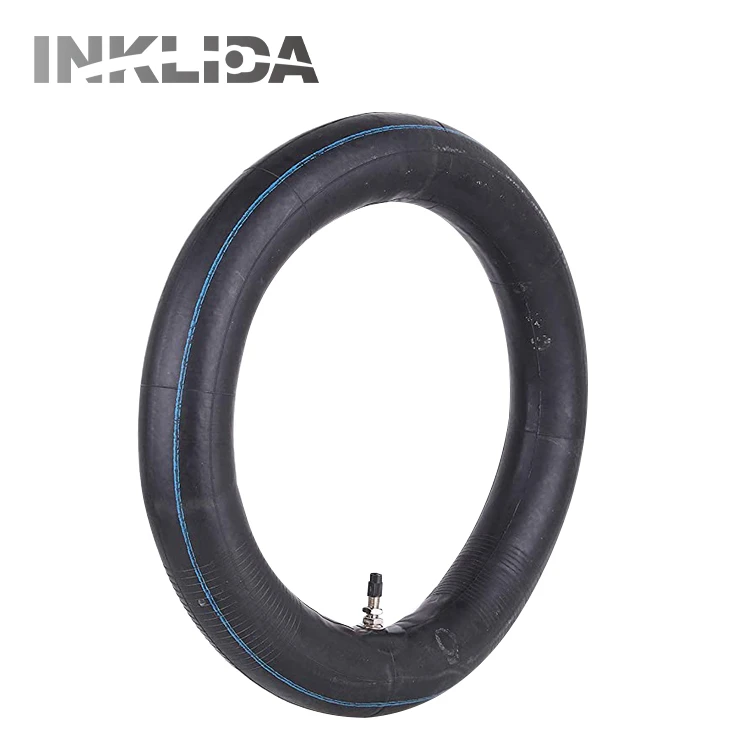
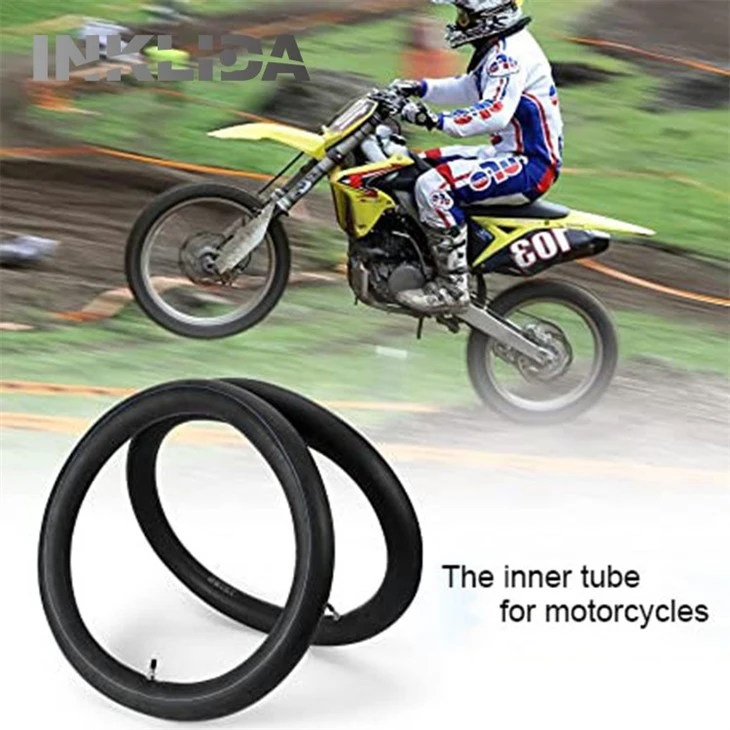
If you're not comfortable installing the inner tube yourself, you can take your motorcycle to a professional mechanic or a motorcycle dealership for installation. A proper installation is crucial to ensure the safety and performance of your motorcycle.
For Suppliers
1. Communicate with Customers
As a supplier, one of the most important steps in a recall situation is to communicate effectively with your customers. As soon as you receive notice of a recall, you should notify your customers as quickly as possible. This can be done through various channels, such as email, phone calls, or social media.
In your communication, provide clear and detailed information about the recall, including the affected products, the reason for the recall, and the steps customers need to take to return the affected inner tubes and receive replacements. Make sure to answer any questions your customers may have and provide them with support throughout the recall process.
2. Coordinate with the Manufacturer
In addition to communicating with your customers, you also need to coordinate with the manufacturer to ensure a smooth recall process. Work closely with the manufacturer to obtain the necessary information about the recall, such as the affected batch numbers, the replacement products, and the return instructions.
You should also establish a system for tracking the returns and replacements to ensure that all affected inner tubes are accounted for. This will help you manage the recall process more efficiently and ensure that your customers receive their replacements in a timely manner.
3. Provide Support and Assistance
During the recall process, it's important to provide your customers with support and assistance. This may include answering their questions, helping them identify the affected inner tubes, and guiding them through the return and replacement process.
You can also offer additional support, such as providing free installation services for the replacement inner tubes or offering discounts on future purchases. This will help you maintain a good relationship with your customers and show them that you value their business.
4. Review and Improve Your Quality Control Processes
A recall is a serious issue that can have a significant impact on your business. After the recall is completed, it's important to review your quality control processes to identify any areas for improvement.
Look for the root cause of the defect that led to the recall and take steps to prevent similar issues from occurring in the future. This may include implementing more rigorous testing procedures, improving your manufacturing processes, or working more closely with your suppliers to ensure the quality of the raw materials.
Our Product Offerings
At our company, we offer a wide range of high - quality motorcycle inner tubes, including the 700x38c Bike Inner Tube, 12 Inch Motorcycle Inner Tube, and 19 Motorcycle Inner Tube. We are committed to providing our customers with safe and reliable products, and we have strict quality control measures in place to ensure the highest standards.
If you're in the market for motorcycle inner tubes, we invite you to explore our product offerings. We are always happy to discuss your specific needs and provide you with the best solutions for your motorcycle. Whether you're a professional rider or a casual enthusiast, we have the right inner tube for you.
Conclusion
A motorcycle inner tube recall can be a challenging situation, but by following the steps outlined above, both consumers and suppliers can manage the process effectively. As a supplier, we take our responsibility to provide safe and reliable products very seriously. We are committed to working closely with our customers and the manufacturer to ensure a smooth recall process and to prevent similar issues from happening in the future.
If you have any questions or concerns about motorcycle inner tube recalls or our product offerings, please don't hesitate to contact us. We are here to assist you and to provide you with the best possible service. We look forward to the opportunity to work with you and to meet your motorcycle inner tube needs.
References
- Motorcycle Safety Foundation. (Year). Motorcycle Safety Guidelines.
- National Highway Traffic Safety Administration. (Year). Product Recall Procedures.