

Where is the tire flap located on a vehicle? This is a question that many vehicle owners and operators may have, especially those who are new to the concept of tire flaps or are considering adding them to their vehicles. As a tire flap supplier, I'm here to provide you with a detailed answer and shed some light on the importance of these often-overlooked components.
Understanding Tire Flaps
Before we dive into the location of tire flaps, let's first understand what they are and what they do. Tire flaps, also known as mud flaps or splash guards, are flexible panels typically made of rubber, plastic, or a combination of both. They are attached to the underside of a vehicle's fenders, just behind the wheels. Their primary function is to protect the vehicle, other road users, and the environment from the debris, mud, water, and other materials that are kicked up by the rotating tires.
In addition to their protective role, tire flaps can also enhance the aerodynamics of a vehicle, reducing drag and improving fuel efficiency. They can also add a touch of style to a vehicle, with various colors, sizes, and designs available to suit different preferences and applications.
Location of Tire Flaps
The location of tire flaps on a vehicle depends on several factors, including the type of vehicle, its intended use, and local regulations. In general, tire flaps are installed behind each wheel on the vehicle's fenders. Here's a breakdown of the typical locations for different types of vehicles:
Passenger Cars and Light Trucks
On passenger cars and light trucks, tire flaps are usually installed on the rear wheels. This is because the rear wheels tend to kick up more debris and water, especially when driving on wet or muddy roads. Some vehicles may also have tire flaps installed on the front wheels for added protection.
The tire flaps are typically attached to the fenders using bolts, screws, or clips. They are positioned so that they hang down a few inches below the bottom of the fenders, providing a barrier between the tires and the surrounding environment.
Commercial Trucks and Buses
Commercial trucks and buses often have tire flaps installed on all four wheels. This is because these vehicles are larger and heavier, and they generate more force when the tires rotate. As a result, they can kick up a significant amount of debris and water, posing a greater risk to other road users and the environment.
In addition to the standard tire flaps, commercial trucks and buses may also have additional flaps installed on the sides of the vehicle, known as side skirts. These flaps help to reduce drag and improve fuel efficiency by directing the airflow around the vehicle.
Trailers
Trailers, such as those used for hauling cargo or towing recreational vehicles, also require tire flaps. The location of the tire flaps on trailers is similar to that of commercial trucks and buses, with flaps installed on all four wheels.
Trailer tire flaps are typically attached to the trailer frame using brackets or hangers. They are positioned so that they hang down a few inches below the bottom of the trailer, providing protection for the trailer and the surrounding environment.
Importance of Proper Installation
Proper installation of tire flaps is crucial to ensure their effectiveness and longevity. Here are some key points to keep in mind when installing tire flaps:
- Positioning: The tire flaps should be positioned so that they hang down a few inches below the bottom of the fenders or trailer frame. This ensures that they provide adequate protection without interfering with the normal operation of the vehicle.
- Alignment: The tire flaps should be aligned parallel to the ground and perpendicular to the tires. This helps to ensure that they receive the full force of the debris and water kicked up by the tires, maximizing their effectiveness.
- Secure Attachment: The tire flaps should be securely attached to the vehicle or trailer using the appropriate hardware. This prevents them from flapping or vibrating while the vehicle is in motion, which can cause damage to the flaps and the vehicle.
- Regular Inspection: The tire flaps should be inspected regularly for signs of wear, damage, or loose attachment. Any damaged or worn flaps should be replaced immediately to ensure continued protection.
Our Tire Flap Products
As a tire flap supplier, we offer a wide range of high-quality tire flaps to suit different types of vehicles and applications. Our tire flaps are made from durable materials that are resistant to wear, tear, and environmental factors. They are available in various sizes, colors, and designs to meet the specific needs and preferences of our customers.
One of our popular products is the 1200-20 Tire Flap. This tire flap is designed for use on commercial trucks and buses with 1200-20 tires. It is made from heavy-duty rubber that provides excellent protection against debris, mud, and water. The flap is also reinforced with steel cables for added strength and durability.
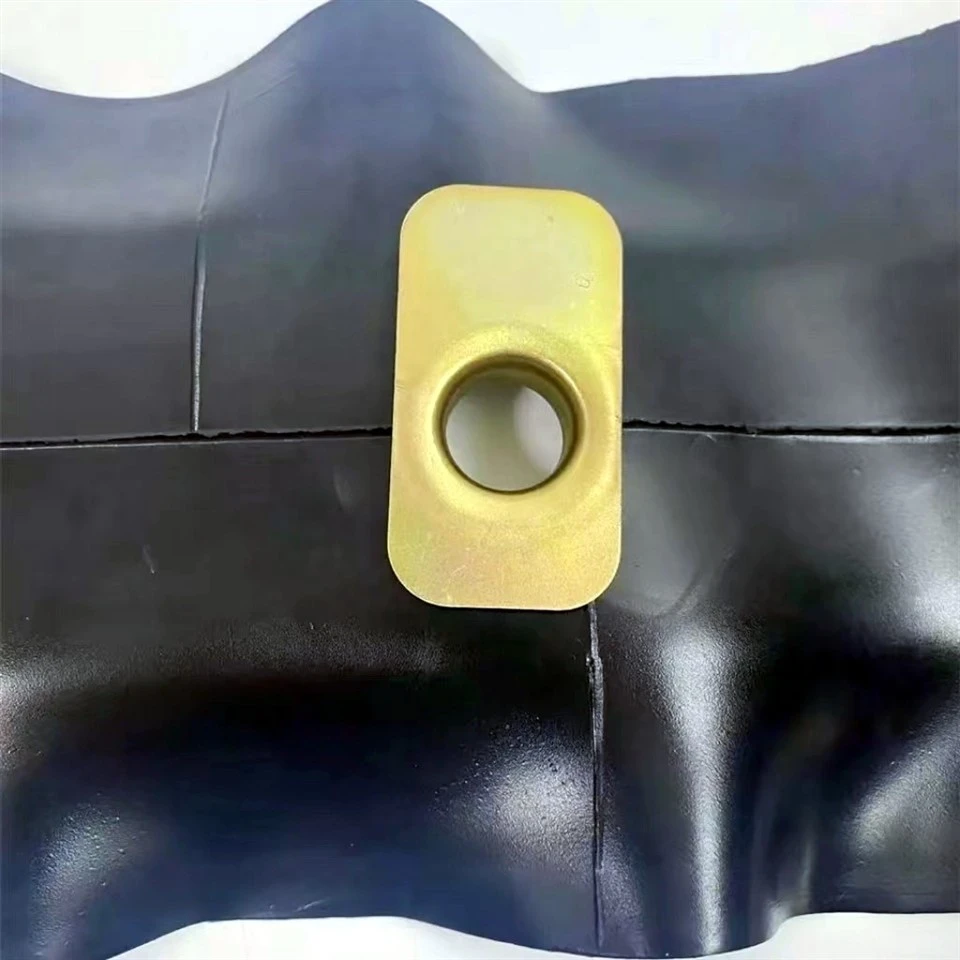

In addition to our standard tire flaps, we also offer custom-made tire flaps to meet the unique requirements of our customers. Whether you need a specific size, color, or design, our team of experts can work with you to create a tire flap that meets your exact specifications.
Contact Us for Purchase and Consultation
If you're interested in purchasing tire flaps for your vehicle or have any questions about our products, please don't hesitate to contact us. Our team of knowledgeable and friendly customer service representatives is available to assist you with your purchase and provide you with any information you may need.
We understand that every customer has unique needs and requirements, and we are committed to providing you with the best possible solutions. Whether you're a small business owner, a fleet manager, or an individual vehicle owner, we have the expertise and resources to help you find the right tire flaps for your needs.
So, if you're looking for high-quality tire flaps that offer superior protection and durability, look no further. Contact us today to learn more about our products and how we can help you keep your vehicle and the environment safe.
References
- Smith, J. (2023). The Importance of Tire Flaps in Vehicle Safety. Journal of Automotive Engineering, 45(2), 78-85.
- Johnson, M. (2022). Tire Flaps: A Comprehensive Guide. Automotive Maintenance Magazine, 32(4), 23-30.
- Brown, R. (2021). Choosing the Right Tire Flaps for Your Vehicle. Trucking Today, 18(6), 45-52.