

The Essential Guide to Inner Tubes: History, Materials & Applications
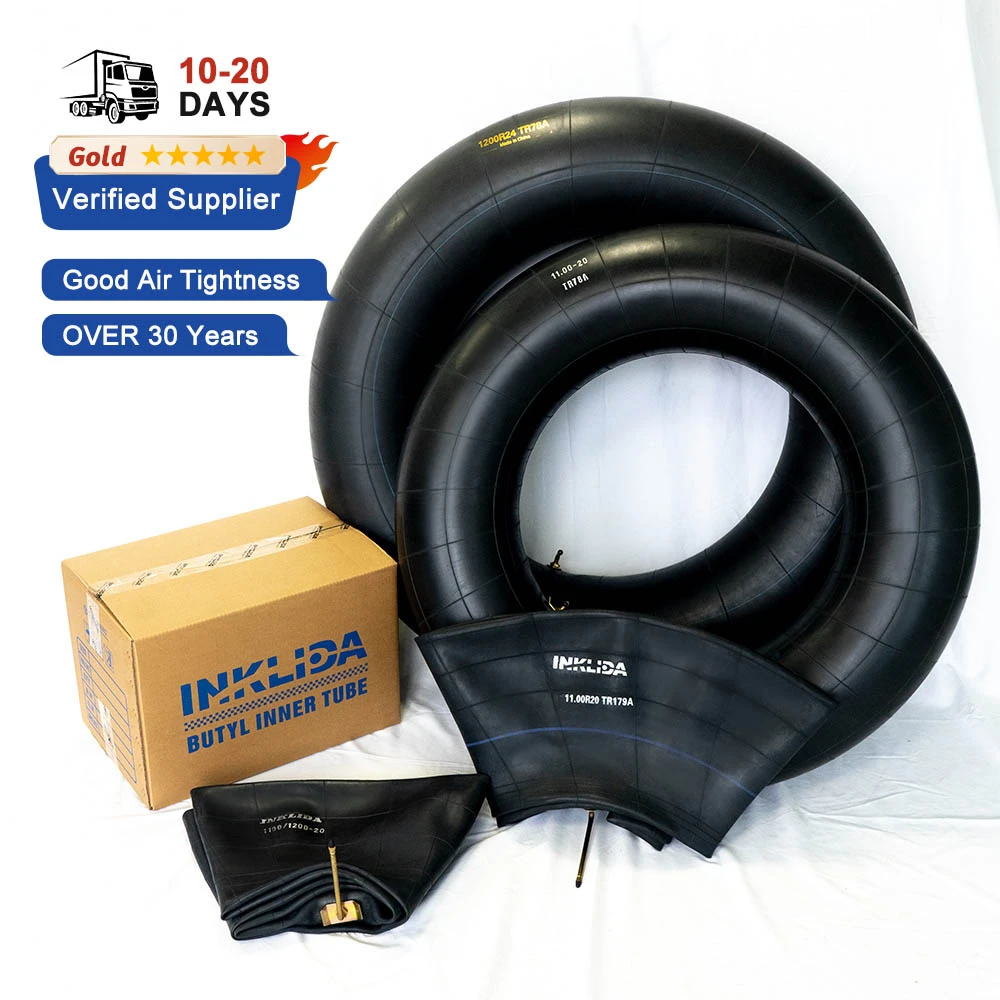
The inner tube, that crucial donut-shaped rubber component nestled inside the tire, plays a fundamental role in maintaining tire pressure. Equipped with a valve for inflation and deflation, a high-quality inner tube must excel in air retention, heat resistance, elasticity, and resistance to aging – essential factors for performance and longevity.
Material Matters: Natural Rubber vs. Butyl Rubber
Inner tubes are primarily categorized by material: natural rubber and butyl rubber. Today, butyl rubber inner tubes dominate the market for good reason. Manufactured using butyl rubber as the primary raw material, enhanced with specific additives, these tubes offer superior air tightness. This translates to slower air leakage, meaning tires stay inflated longer, improve fuel efficiency, and require less frequent top-ups. Crucially, butyl tubes boast excellent high-temperature resistance. During extended operation, tire temperatures soar, and butyl rubber withstands this heat, significantly extending the inner tube's service life.
A Quiet Revolution: The History of the Inner Tube Manufacturing
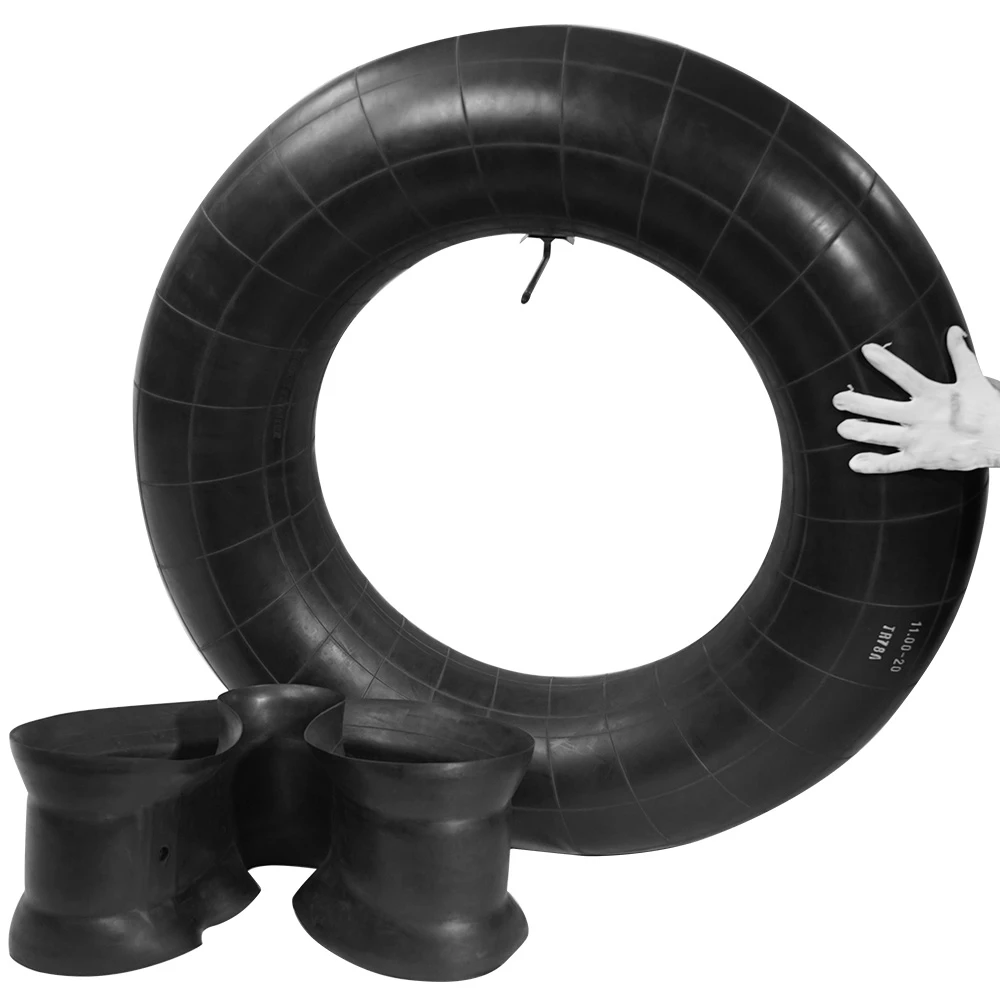
The history of the inner tube industry is marked by significant technological shifts. In the early days of reform and opening up, the tire sector underwent major upgrades. A cornerstone initiative was "butylation," the strategic replacement of natural rubber with butyl rubber for inner tube production. This occurred alongside "chemical fiberization" (replacing cotton cord with nylon cord) and the mechanization of vulcanization (using vulcanizers instead of autoclaves). The widespread adoption of butyl rubber inner tubes in bicycle and truck tires directly boosted the lifespan of domestic tires by an impressive 20%. This butyl inner tube revolution truly transformed the supply chain for durable tire components.
Diverse Applications: Meeting Specific Needs
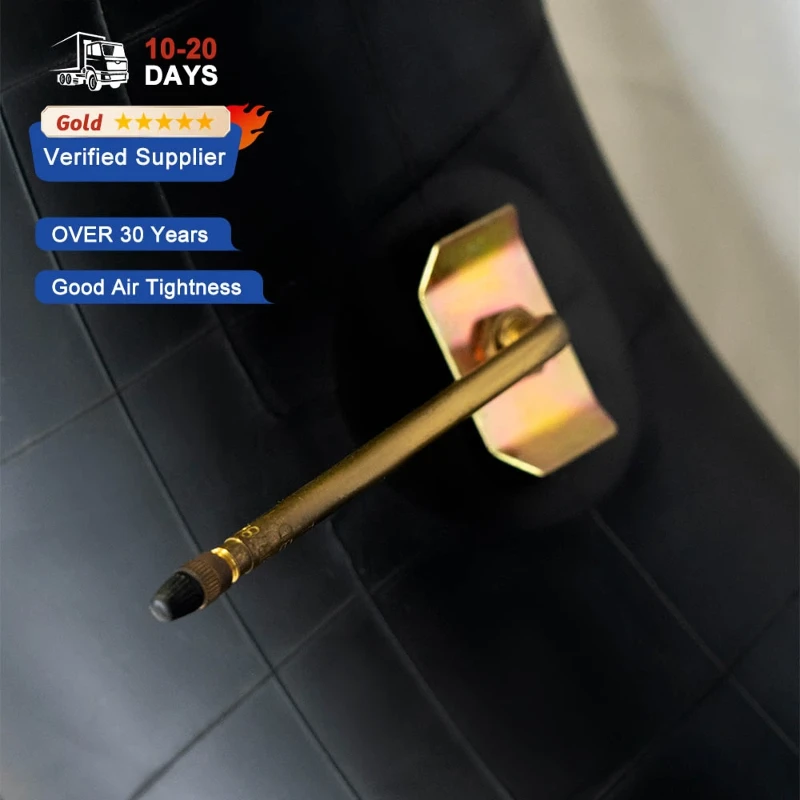
The application range for inner tubes is vast, extending far beyond passenger cars to engineering vehicles, motorcycles, bicycles,carts, and more. Inner tubes for different applications are engineered with distinct characteristics:
Truck inner tubes & Bus inner tubes: Designed to withstand very high pressure demands essential for heavy loads and safety.
OTR inner tubes (Off-The-Road): Built for extreme toughness and durability to handle rugged terrains. Off-road inner tubes are often configured as low-pressure, wide profiles to maximize ground contact area and prevent sinking.
Bicycle inner tubes: Prioritize being thin, lightweight, and easy to inflate.
Specialty inner tubes: Exist for various industrial and agricultural applications. Sourcing the right tube type is critical.
Smart Storage for Maximum Shelf Life
Proper storage is key to preserving the quality of inner tubes before they reach the end-user. Bulk inner tubes should be kept in a dry warehouse environment, shielded from sunlight and moisture. Ideal storage temperatures range between -10°C and 30°C (14°F to 86°F). If stored mounted on a rim, inner tubes should be slightly inflated to maintain their shape and integrity under mild pressure – a best practice for wholesale and distribution centers.