


1. The functions of tires mainly include dry ground grip, waterproof and slippery, providing comfort, reducing driving noise, impact resistance, wet grip, bearing capacity, handling ability, average wear and mileage.
2. The cross-sectional structure of the tire can be roughly divided into four parts: tread, shoulder, sidebead and bead. Each part has its own function. The tread is mainly in contact with the ground, the shoulder and sidewall play a supporting role, and the bead is in contact with the rim to play a sealing role.
3. The internal composition of the tire, the inside of the tire is composed of multiple layers of different materials, such as tread pattern, covering layer, steel wire belt layer, stress absorbing rubber strip, carcass cord cloth layer, and inner layer.
4. The production date of the tire should also pay attention to anti-counterfeiting, the four-digit "3311" represents the production date of the tire, and the picture is the production of the 33rd week of the 11th year, that is, the production in mid-August 2011.
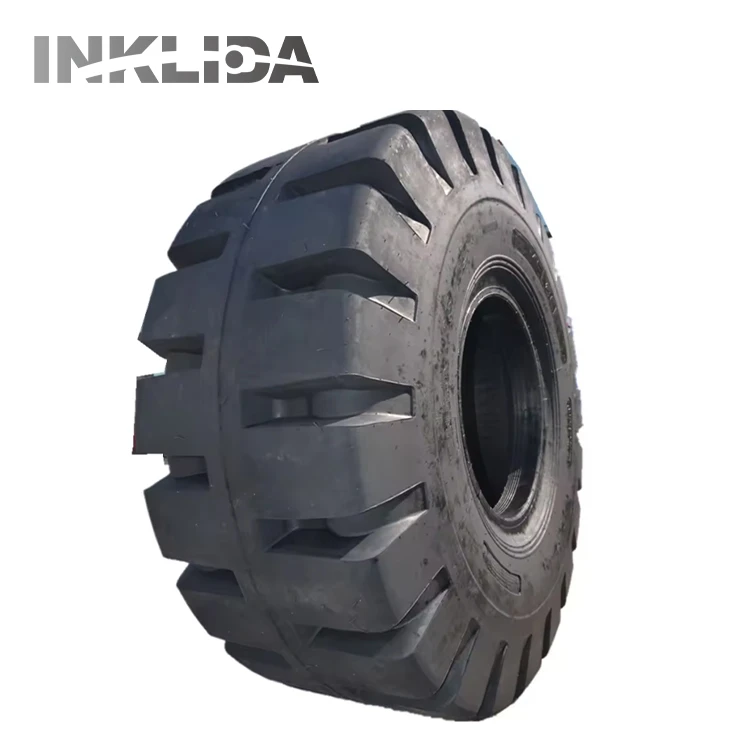
5. Pay attention to the installation direction and the inside and outside of the installation of tires, and the owners will inevitably encounter punctured tires and new tires when using the car, so you need to remove the tires and remove the tires from the hub. However, when a good tire is attached to the wheel, it may be rehabilitated. There will be a mark on the outside of the tyre indicating that this side is to be installed outward.
6. Tire classification can be divided into radial tires and bias tires.
7. Pattern classification, which can be divided into strip pattern, transverse pattern tires, mixed pattern tires, and off-road pattern tires.
8. Classification of types, tires are classified according to the type of vehicle, which can be divided into 8 types.
Namely: PC - car tires; LT - light truck tires; TB - truck and bus tires; AG - agricultural vehicle tires; OTR - engineering vehicle tires; ID - Industrial Vehicle Tires; AC – aircraft tires; MC – Motorcycle Tires.