

As a long - standing classic motorcycle tire supplier, I've been deeply involved in the world of classic motorcycles for years. One question that frequently comes up among motorcycle enthusiasts is whether classic motorcycle tires are more prone to flats. In this blog, I'll draw on my industry experience and knowledge to delve into this topic.
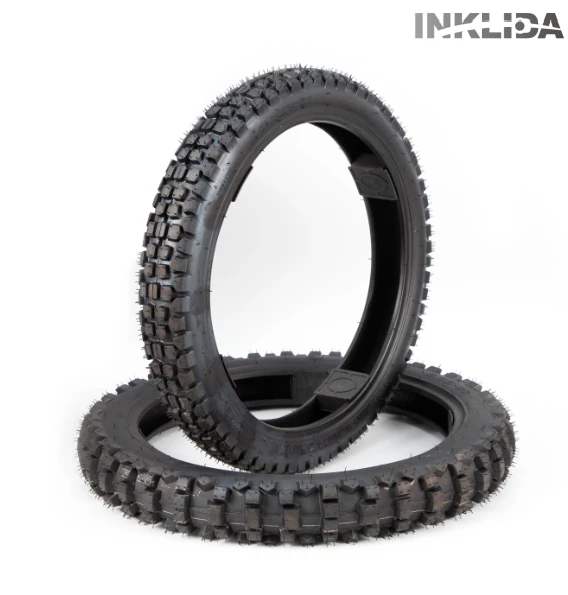

Understanding Classic Motorcycle Tires
Classic motorcycle tires have a distinct set of characteristics that set them apart from modern counterparts. They often feature a simpler construction, with less advanced rubber compounds and tread designs. In the past, tire technology was not as sophisticated as it is today. The materials used were more basic, and the manufacturing processes were less refined.
For example, classic tires typically had a bias - ply construction. Bias - ply tires consist of layers of cords that run diagonally across the tire from bead to bead. This construction provides a certain amount of flexibility and comfort, which was highly valued in the era when these classic motorcycles were designed. However, it also has its drawbacks. The diagonal cords can be more susceptible to damage from sharp objects on the road. When a sharp object penetrates the tire, it can cut through these cords more easily compared to the radial construction used in many modern tires.
Factors Contributing to Flats in Classic Tires
Construction Design
As mentioned earlier, the bias - ply construction of classic motorcycle tires is one of the main factors that may make them more prone to flats. The overlapping diagonal cords create a structure that is less resistant to punctures. A small nail or a piece of glass on the road can pierce through the layers of cords, causing air to escape.
Moreover, classic tires often have thinner sidewalls. The sidewalls are the vertical part of the tire between the tread and the bead. Thinner sidewalls are more vulnerable to impacts and cuts. For instance, when a motorcycle hits a pothole or a curb, the sidewall of a classic tire is more likely to be damaged, leading to a flat.
Rubber Compounds
The rubber compounds used in classic motorcycle tires are generally not as advanced as those in modern tires. Older rubber formulations were less resistant to abrasion and punctures. They tend to wear out more quickly, and as the tire wears, it becomes more susceptible to flats. For example, a classic tire that has been ridden for a long distance may have a thinner tread, and the remaining rubber may not be able to withstand sharp objects as well as a new tire.
Tread Design
Classic tire tread designs were often more simplistic. They were mainly designed for basic traction on paved roads. Unlike modern tires that have complex tread patterns optimized for different road conditions and to prevent punctures, classic tires may not disperse water or debris as effectively. This means that sharp objects are more likely to stay in contact with the tire, increasing the risk of a flat.
Comparing with Modern Tires
Modern motorcycle tires, on the other hand, benefit from significant advancements in technology. Most modern tires use a radial construction. Radial tires have cords that run perpendicular to the direction of travel, which provides a more uniform and stronger structure. This makes them more resistant to punctures. The sidewalls of modern tires are also generally thicker and more reinforced, offering better protection against impacts.
In terms of rubber compounds, modern tires are formulated with advanced materials that are more resistant to wear and tear. They can maintain their integrity for a longer period, reducing the risk of flats. Additionally, modern tread designs are highly engineered. They are designed to channel water away, reduce hydroplaning, and also prevent sharp objects from easily penetrating the tire.
For example, if you compare a classic motorcycle tire with a Sport Moto Tire, the differences are quite evident. The Sport Moto Tire uses state - of - the - art technology to provide better performance and durability, including a lower risk of flats.
Mitigating the Risk of Flats in Classic Tires
While classic motorcycle tires may be more prone to flats, there are several steps that riders can take to reduce this risk.
Regular Inspections
Regularly inspecting the tires is crucial. Check for any signs of wear, cuts, or embedded objects. Before each ride, a quick visual inspection can help identify potential problems early. Look at the tread depth and the sidewalls for any visible damage. If you notice a small cut or a nail in the tire, it's important to address it immediately.
Proper Inflation
Maintaining the correct tire pressure is essential. Under - inflated tires are more likely to be damaged because they flex more, generating more heat and increasing the risk of a puncture. Over - inflated tires, on the other hand, can be more brittle and may burst more easily. Refer to the motorcycle's owner's manual for the recommended tire pressure and check it regularly.
Tire Sealants
Using tire sealants can be an effective way to prevent flats. Tire sealants are liquid substances that are injected into the tire. When a puncture occurs, the sealant fills the hole and seals it, preventing air from escaping. However, it's important to choose a sealant that is compatible with classic motorcycle tires.
Our Classic Motorcycle Tire Offerings
At our company, we understand the unique needs of classic motorcycle enthusiasts. We offer a wide range of high - quality classic motorcycle tires. Our Off Road Motorcycle Tyre is designed for those who like to take their classic bikes off the beaten path. It provides good traction and durability, even in rough terrains.
Our 90/90 - 18 Motorcycle Tire is a popular choice for many classic motorcycles. It is carefully crafted to meet the specifications of these older bikes, ensuring a proper fit and reliable performance. We use the best available materials and manufacturing techniques to produce tires that are as durable as possible, despite the limitations of classic tire designs.
Conclusion
In conclusion, classic motorcycle tires are indeed more prone to flats compared to modern tires due to their construction, rubber compounds, and tread designs. However, with proper maintenance and care, riders can significantly reduce the risk of flats. As a classic motorcycle tire supplier, we are committed to providing our customers with the best possible products and advice.
If you're a classic motorcycle enthusiast looking for high - quality tires, we'd love to have a conversation with you. Whether you need help choosing the right tire for your bike or have questions about tire maintenance, our team of experts is here to assist you. Contact us to start a discussion about your classic motorcycle tire needs.
References
- Motorcycle Tire Technology Manuals from the past decades
- Industry research on classic and modern motorcycle tire performance
- Interviews with classic motorcycle restoration experts and riders