

Hey there! As an agricultural tire supplier, I often get asked about how to measure the tread depth of agricultural tires. It's a crucial aspect of tire maintenance, and I'm here to share some practical tips and insights.
First off, why is measuring tread depth so important for agricultural tires? Well, agricultural tires are used in some pretty tough conditions. Whether it's plowing through muddy fields, driving on uneven terrain, or hauling heavy loads, these tires take a beating. The tread depth directly affects the tire's traction, which is essential for safety and efficiency in the field. If the tread is too shallow, you're at risk of slipping, which can lead to accidents and reduced productivity.
So, how do you go about measuring the tread depth of agricultural tires? There are a few different methods, and I'll walk you through each one.
The Penny Test
The penny test is a simple and quick way to get a rough estimate of your tire's tread depth. You've probably heard of this one before. All you need is a penny. Take a penny and insert it into the tire's tread with Lincoln's head facing down. If you can see the top of Lincoln's head, your tread depth is less than 2/32 of an inch, and it's time to start thinking about replacing your tires. This method is easy and convenient, but it's not the most accurate. It's more of a quick check to see if you're in the ballpark.
The Tread Depth Gauge
For a more accurate measurement, you'll want to use a tread depth gauge. These are inexpensive tools that you can find at most auto parts stores or online. To use a tread depth gauge, simply insert the probe into the tire's tread at the deepest part of the groove. Make sure the gauge is perpendicular to the tire's surface for an accurate reading. Take measurements at several different points around the tire, as tread wear can vary. Most agricultural tires should have a minimum tread depth of 4/32 to 6/32 of an inch, depending on the type of tire and the conditions it's used in.
Laser Tread Depth Measurement
If you're looking for the most accurate and high-tech way to measure tread depth, laser tread depth measurement is the way to go. This method uses a laser scanner to create a 3D image of the tire's tread. It can provide extremely precise measurements and can even detect uneven wear patterns. However, laser tread depth measurement equipment can be expensive, so it's more commonly used by large agricultural operations or tire manufacturers.
Now, let's talk about some factors that can affect tread depth and wear.
Type of Tire
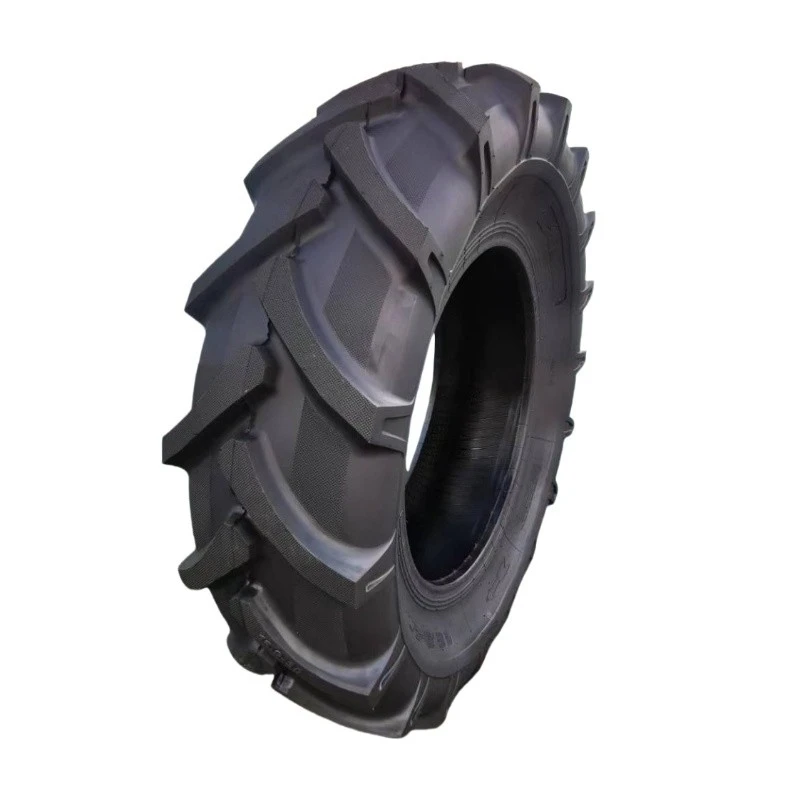
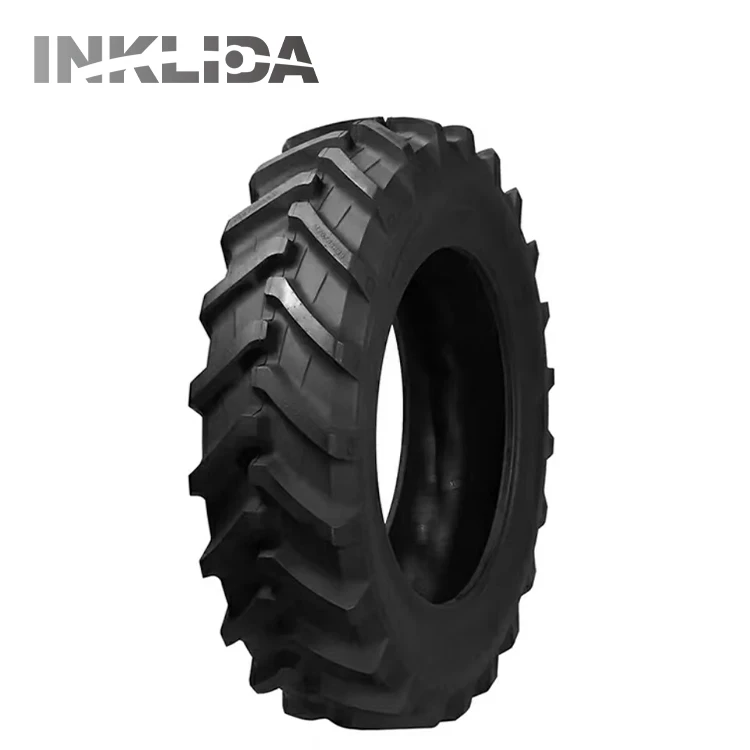
The type of agricultural tire you choose can have a big impact on tread life. For example, the R1W Strong Traction Self Cleaning AGR Tire is designed for maximum traction in muddy conditions. Its deep treads and self-cleaning design help it maintain grip and reduce wear. On the other hand, the High Traction R2W Tractor Tire is better suited for harder surfaces and offers excellent traction and durability.
Operating Conditions
The conditions in which you use your agricultural tires also play a significant role in tread wear. Tires used in muddy or rocky fields will wear more quickly than those used on smooth, hard surfaces. Overloading your tires can also cause excessive wear, so it's important to make sure you're operating within the tire's recommended load capacity.
Tire Maintenance
Proper tire maintenance is essential for extending the life of your agricultural tires. This includes keeping your tires properly inflated, rotating them regularly, and checking for signs of damage. Underinflated tires can cause uneven wear and reduce fuel efficiency, while overinflated tires can make the ride harsher and increase the risk of a blowout.
When it comes to choosing the right agricultural tire, it's important to consider your specific needs and operating conditions. At our company, we offer a wide range of agricultural tires, including both bias and radial types. You can learn more about our AGR Tire Bias And Radial Types on our website.
In conclusion, measuring the tread depth of agricultural tires is an important part of tire maintenance. By using the methods I've outlined above, you can ensure that your tires are safe and performing at their best. If you have any questions or need help choosing the right agricultural tires for your needs, don't hesitate to reach out. We're here to help you keep your equipment running smoothly and efficiently. Whether you're a small family farm or a large agricultural operation, we have the expertise and products to meet your needs. So, if you're in the market for new agricultural tires, give us a call or visit our website to start the conversation. We look forward to working with you!
References
- "Tire Tread Depth: What You Need to Know." Consumer Reports.
- "Agricultural Tire Maintenance and Safety." Farm Bureau Insurance.