

Hey there! As an agricultural tire supplier, I've been getting a lot of questions lately about using agricultural tires on public roads. So, I thought I'd sit down and share my thoughts on whether there are any limitations to this practice.
First off, let's talk about what makes agricultural tires different from regular road tires. Agricultural tires are designed specifically for use in farm fields and other off - road environments. They have deep treads that provide excellent traction on soft, muddy, or uneven ground. For example, our R1 Tractor Tires for Dry Land Use are built with a tread pattern that's perfect for gripping dry soil, helping tractors move smoothly across the fields.

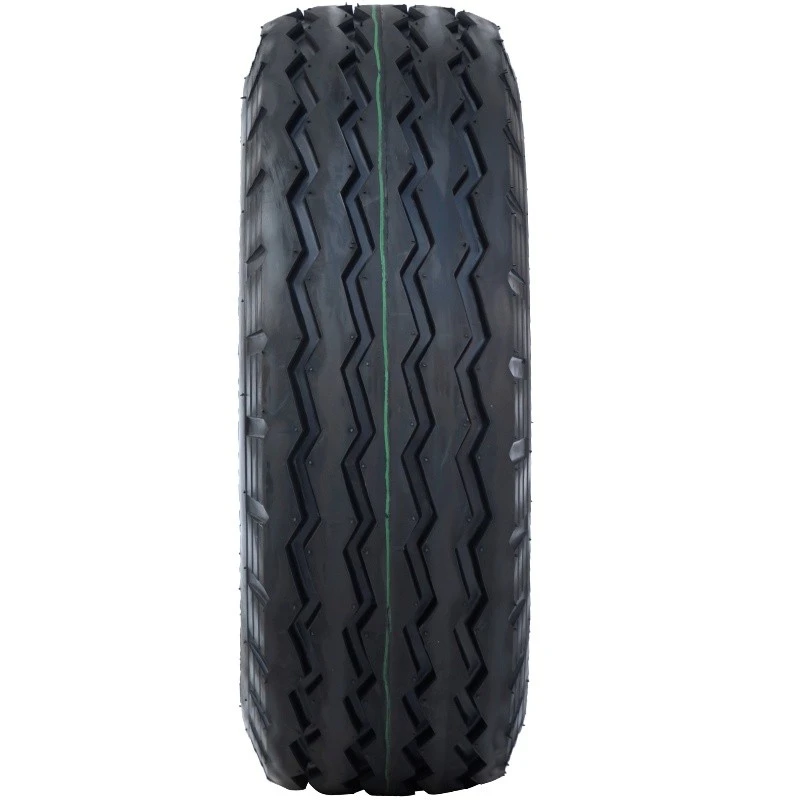
Now, when it comes to using these tires on public roads, there are a few things to consider. One of the biggest limitations is the tread design. The deep treads that are so great for off - road use can actually cause problems on paved roads. They can make the ride a bit bumpy and noisy. You see, those big gaps in the tread don't conform well to the smooth surface of the road, and it can feel like you're driving on a washboard.
Another issue is wear and tear. Agricultural tires are made to withstand the tough conditions of the farm, like rocks, roots, and sharp objects. But the smooth surface of public roads is a different story. The constant friction on the road can cause the treads to wear down faster than they would in an off - road setting. This means you might have to replace your agricultural tires more often if you use them primarily on public roads.
Safety is also a major concern. The traction characteristics of agricultural tires are optimized for off - road use. On wet or icy roads, they may not provide the same level of grip as regular road tires. For instance, during a rainy day, the water can get trapped in the deep treads, and this can lead to hydroplaning. That's when your vehicle loses contact with the road surface and starts to slide, which is extremely dangerous.
In some areas, there are also legal limitations. Local laws and regulations may restrict the use of agricultural tires on public roads. These rules are usually in place to ensure the safety of all road users. Some places might require special permits for vehicles with agricultural tires to be driven on public roads, or they might limit the distance or speed at which you can travel.
But hey, it's not all bad news. There are situations where using agricultural tires on public roads can be okay. If you're just making a short trip from one part of the farm to another, and you have to cross a short stretch of public road, it might not be a big deal. Also, if you're using a vehicle that's specifically designed for both farm work and light road use, like some small farm tractors, you can probably get away with using agricultural tires on the road for short distances.
We also offer a range of agricultural tires that are a bit more road - friendly. Our High Traction R2W Tractor Tire is designed to provide good traction both on and off the road. It has a tread pattern that's a bit more refined compared to traditional agricultural tires, which means it can perform better on paved surfaces while still being tough enough for farm work.
And for smaller farm equipment, our F3 Small Farm Equipment Tire is a great option. These tires are designed to balance the needs of off - road use and short trips on public roads. They offer decent traction and a relatively smooth ride on the road.
If you're in a situation where you need to use agricultural tires on public roads, here are some tips to keep in mind. First, make sure your tires are properly inflated. Under - inflated tires can cause even more problems on the road, like increased wear and reduced fuel efficiency. Second, drive at a reasonable speed. Avoid sudden stops and starts, as this can put extra stress on the tires and increase the risk of accidents.
So, to sum it up, there are definitely limitations to using agricultural tires on public roads. But with the right understanding and precautions, you can still use them safely in certain situations. If you're unsure about which tire is right for your needs, whether it's for pure off - road use, a mix of road and off - road, or primarily road use, don't hesitate to reach out.
We're here to help you make the best choice for your vehicle and your farming operations. Whether you need advice on tire selection, or you're ready to place an order, we've got you covered. Just get in touch, and we'll work together to find the perfect agricultural tires for you.
References
- "Tire Technology Handbook" by Tire Industry Association
- "Automotive Safety Manual" by National Highway Traffic Safety Administration