

Hey there, fellow off - road enthusiasts! I'm a supplier of off - the - road tires, and today, I want to talk about the recommended alignment for vehicles with off - the - road tires.
First off, let's understand why alignment matters when it comes to off - road tires. Off - road driving is no joke. You're dealing with uneven terrains, sharp rocks, and all sorts of rough conditions. If your vehicle's alignment is off, it can lead to a bunch of problems. For one, it'll cause uneven tire wear. You don't want to replace your expensive OFF THE ROAD RADIAL TIRE prematurely, right? Also, incorrect alignment can affect your vehicle's handling. On the off - road, good handling can be the difference between a fun adventure and a dangerous situation.
Now, let's get into the different types of alignment we need to consider for off - road vehicles.
Camber
Camber is the angle of the tire when viewed from the front of the vehicle. A tire with positive camber tilts outward at the top, while a tire with negative camber tilts inward at the top. For off - road vehicles, a slight negative camber is often recommended. Why? Well, when you're driving on uneven surfaces, the tires are constantly being pushed around. A negative camber helps keep the tire's contact patch more centered on the road surface. This improves traction, especially when you're going over rocks or through mud.
Think about it this way. When you hit a big rock, a tire with the right negative camber will be better able to grip the rock and roll over it smoothly. On the other hand, too much positive camber can cause the outer edge of the tire to wear out quickly, and it can also reduce your vehicle's stability.
Caster
Caster is the angle of the steering axis when viewed from the side of the vehicle. Positive caster means the steering axis tilts backward, and negative caster means it tilts forward. For off - road vehicles, a bit more positive caster is usually a good idea.
Positive caster provides better steering stability. When you're driving off - road, you'll be making lots of quick turns and navigating through tight spaces. The extra positive caster helps the steering wheel return to the center position after a turn. This gives you more control over your vehicle, especially at higher speeds on rough terrain.
For example, if you're driving on a dirt trail and you need to make a sharp turn to avoid a tree, the positive caster will help your steering wheel straighten out once you're past the obstacle. This keeps you on track and reduces the risk of losing control.
Toe
Toe refers to the angle of the tires in relation to each other when viewed from above. Toe - in means the front of the tires are closer together than the rear, while toe - out means the opposite.
For off - road vehicles, a small amount of toe - in is generally recommended. Toe - in helps with straight - line stability. When you're driving on rough off - road paths, your tires are constantly being jostled. A bit of toe - in keeps the tires from wandering too much and helps your vehicle stay pointed in the direction you want it to go.
If you have too much toe - in, though, it can cause the tires to scrub against the road surface, leading to increased wear and reduced fuel efficiency. So, it's all about finding that sweet spot.
Now, let's talk about how different off - road tires might require some adjustments to these alignment settings.
Mobile Crane E2
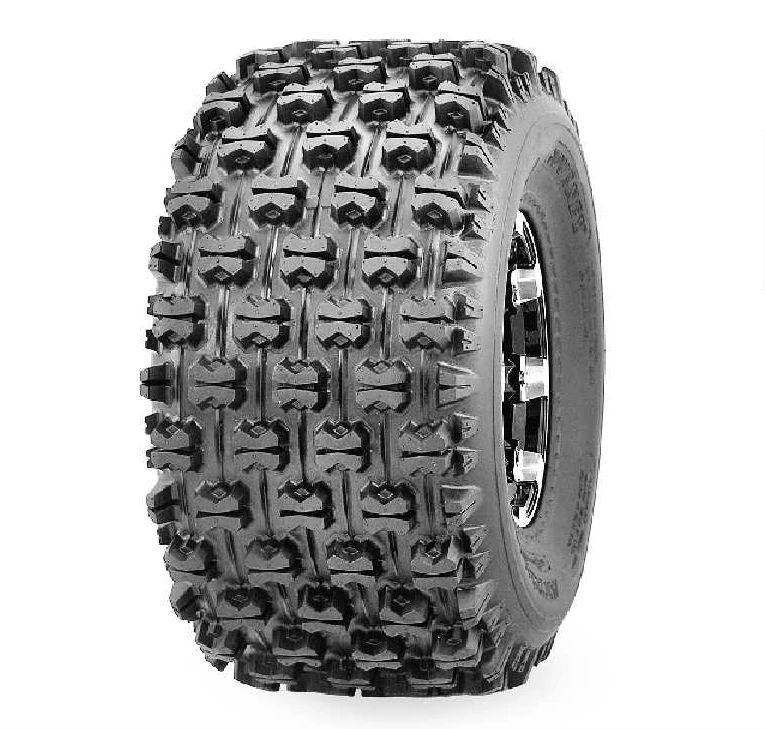
Mobile cranes are heavy - duty off - road vehicles. The Mobile Crane E2 tires are designed to handle a lot of weight. Due to the heavy load, these tires need a more precise alignment.
For camber, a slightly more negative camber might be necessary to distribute the weight evenly across the tire's contact patch. This helps prevent excessive wear on one side of the tire. In terms of caster, a higher positive caster can improve the steering stability of the mobile crane, especially when it's moving around on uneven construction sites. And for toe, a small amount of toe - in is still recommended to keep the crane moving in a straight line.
Grader Tyre G2 L2
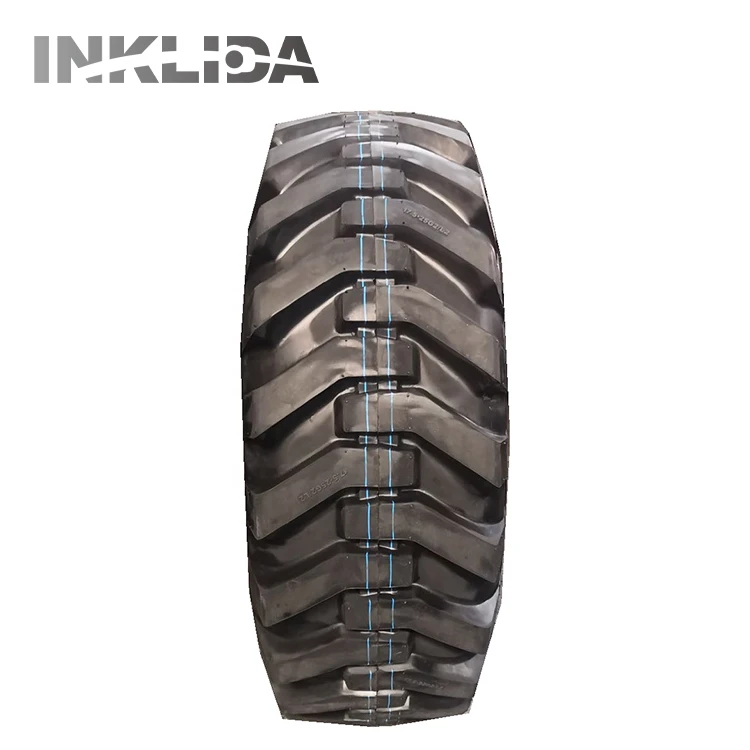
Graders are used to level and smooth out surfaces. The Grader Tyre G2 L2 is designed for this specific task. Since graders are often working on relatively flat but still rough surfaces, the alignment requirements are a bit different.
A more neutral camber might be suitable for grader tires. This helps the tires maintain a consistent contact patch while grading. The caster setting can be adjusted to provide enough steering response for the grader to make precise turns while working. And for toe, a minimal toe - in can help with stability during the grading process.
So, how do you get the right alignment for your off - road vehicle? Well, it's always a good idea to consult a professional. A qualified mechanic or alignment specialist can use specialized equipment to measure and adjust the camber, caster, and toe of your vehicle. They'll take into account the type of off - road tires you have, the vehicle's make and model, and your typical off - road driving conditions.
But if you're a DIY kind of person, you can also do some basic checks at home. You can use a string or a laser alignment tool to check the toe angle. Just make sure to follow the manufacturer's instructions carefully.
In conclusion, getting the right alignment for your off - road vehicle with off - the - road tires is crucial. It not only extends the life of your tires but also improves your vehicle's performance and safety. Whether you're using OFF THE ROAD RADIAL TIRE, Mobile Crane E2, or Grader Tyre G2 L2, taking the time to ensure proper alignment will pay off in the long run.
If you're in the market for high - quality off - the - road tires or need more advice on alignment, don't hesitate to reach out. We're here to help you make the best choices for your off - road adventures. Let's start a conversation about your off - road tire needs and how we can work together to get you the perfect setup.
References
- "The Complete Guide to Tire Alignment" by Tire Industry Association
- "Off - Road Vehicle Mechanics Handbook" by an anonymous off - road vehicle expert group.