

Hey there! As an industrial tire flap supplier, I've seen firsthand the importance of safety when it comes to using these products. Industrial tire flaps play a crucial role in protecting tires and ensuring the smooth operation of various vehicles and equipment. But are there any safety considerations when using them? You bet there are! In this blog post, I'll break down some key safety aspects you need to keep in mind.
Material Quality and Durability
First off, the quality of the industrial tire flap material is super important. A low - quality flap can break down quickly, leading to potential safety hazards. For instance, if a flap tears or wears out prematurely, it might not provide the necessary protection between the tire and the tube. This can cause the tube to rub against the wheel rim, leading to punctures and flats.
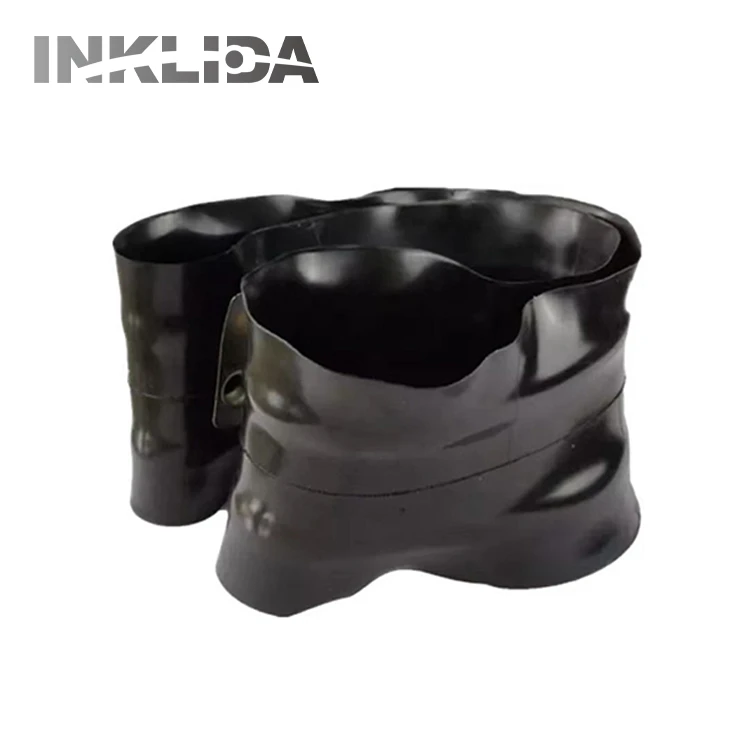
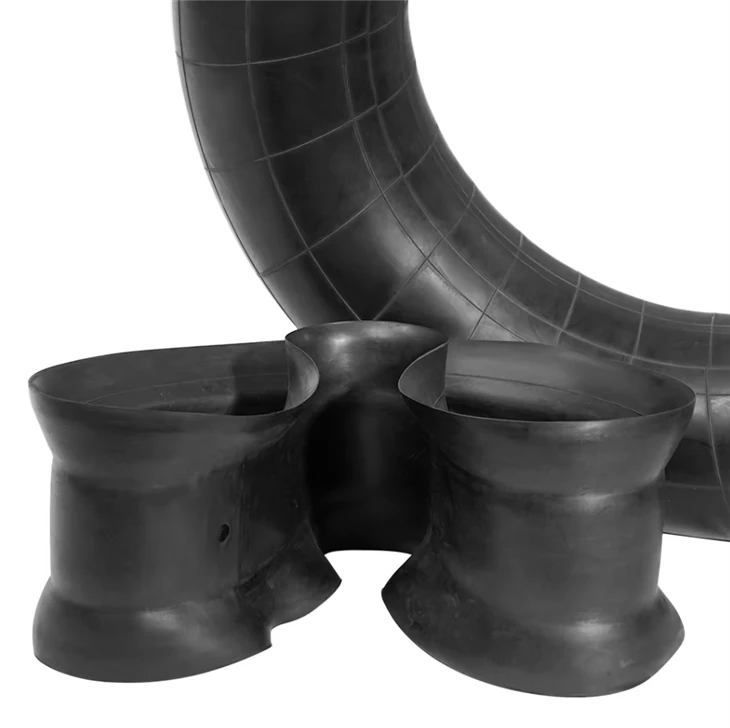
When we manufacture our Natural Tire Tube Flap 16/70 - 20, we use high - grade materials. These materials are chosen for their durability and ability to withstand the harsh conditions in industrial settings. They are resistant to abrasion, heat, and chemicals, which are common challenges in places like factories, construction sites, and warehouses.
Proper Installation
Proper installation is another major safety consideration. If an industrial tire flap isn't installed correctly, it won't function as it should. For example, if the flap is not centered properly within the tire, it can cause uneven wear on the tube and the tire itself. This can lead to reduced tire life and an increased risk of blowouts.
When you're installing our Forklift Rubber Flap, make sure to follow the manufacturer's instructions carefully. Check that the flap fits snugly and there are no wrinkles or folds. It's also a good idea to have a professional mechanic or someone with experience in tire installation do the job if you're not confident in your own skills.
Compatibility
Compatibility between the industrial tire flap and the tire is crucial. Not all flaps are suitable for every type of tire. Different tires have different sizes, shapes, and load - carrying capacities, and the flap needs to match these specifications.
Using an incompatible flap can lead to all sorts of problems. For example, a flap that is too small for the tire might not provide adequate protection, while a flap that is too large can bunch up inside the tire, causing uneven pressure distribution. This can result in tire failure and pose a significant safety risk to the operator and those around the vehicle.
Regular Inspection
Regular inspection of industrial tire flaps is a must. Over time, flaps can get damaged due to normal wear and tear, exposure to the elements, or contact with sharp objects. By inspecting the flaps regularly, you can catch any issues early on and replace the flaps before they cause a major problem.
Look for signs of cracking, tearing, or excessive wear. Check the edges of the flap for any damage, as this is where problems often start. If you notice any of these issues, it's time to replace the flap.
Environmental Conditions
The environment in which the industrial tire flaps are used also affects their safety. In extremely hot or cold conditions, the material of the flap can become brittle or soft, reducing its effectiveness. For example, in cold weather, rubber flaps can become stiff and more prone to cracking.
In areas with high levels of chemicals or pollutants, the flaps need to be made from materials that can resist corrosion and degradation. If the environment is dusty or dirty, the flaps can get clogged, which can affect their performance. So, when choosing industrial tire flaps, consider the environmental conditions they'll be exposed to.
Load and Usage
The load that the vehicle or equipment is carrying and how it's being used also impact the safety of industrial tire flaps. Overloading a vehicle can put extra stress on the tires and the flaps. This can cause the flaps to wear out faster and increase the risk of failure.
Similarly, if the vehicle is used in a way that involves a lot of sudden stops, starts, or sharp turns, the flaps will experience more stress. Make sure to choose flaps that are rated for the specific load and usage requirements of your vehicle or equipment.
Training for Operators
Finally, proper training for operators is essential. Operators should be aware of the importance of industrial tire flaps and the safety considerations associated with them. They should know how to inspect the flaps, what signs of damage to look for, and when to report any issues.
By providing training to operators, you can ensure that they take the necessary steps to keep the tire flaps in good condition and reduce the risk of safety incidents.
In conclusion, there are definitely many safety considerations when using industrial tire flaps. As a supplier, we're committed to providing high - quality products that meet all safety standards. But it's also up to you, the users, to follow the proper procedures for installation, inspection, and maintenance.
If you're in the market for industrial tire flaps and want to discuss your specific needs, I'd love to hear from you. Whether you're looking for a Natural Tire Tube Flap 16/70 - 20 or a Forklift Rubber Flap, we can help you find the right product for your application. Reach out to us, and let's start a conversation about how we can keep your vehicles and equipment safe on the job.
References
- "Tire and Wheel Safety Manual", Industrial Safety Council
- "Rubber Materials for Industrial Applications", Journal of Industrial Materials Science