

Hey there! I'm in the agricultural tire supply business, and I often get asked this question: Can agricultural tires be repaired? Well, let's dig into this topic and find out.
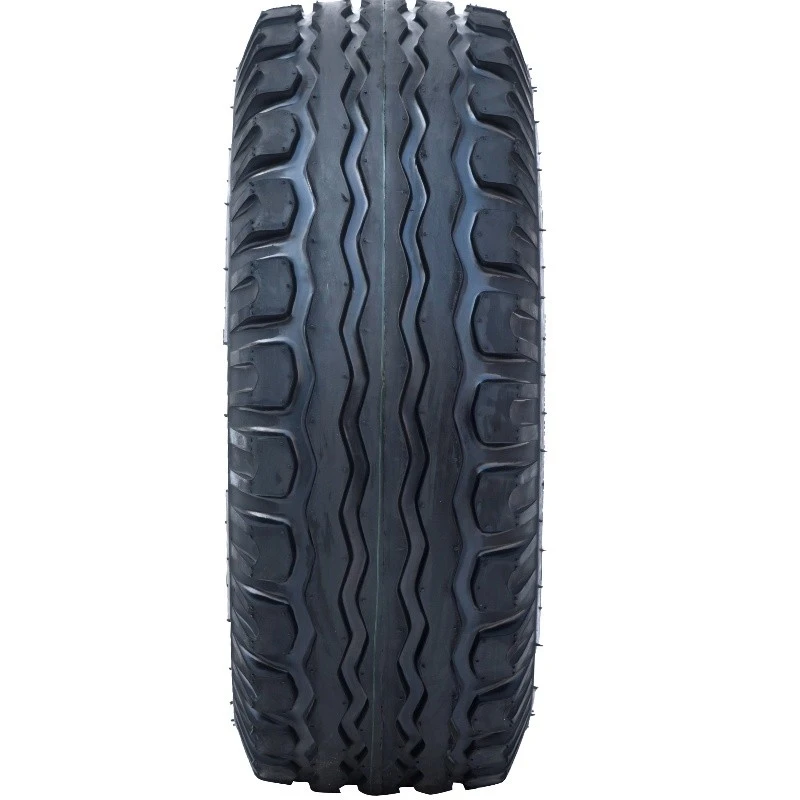
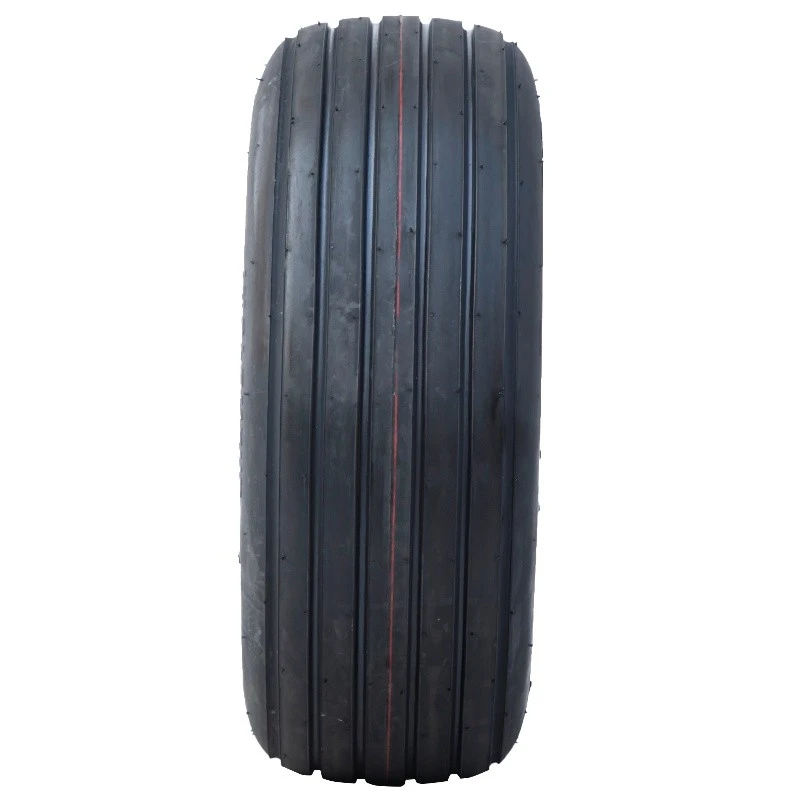
First off, agricultural tires are built tough. They have to withstand all kinds of rough conditions on the farm - from muddy fields to rocky paths. These tires are usually larger and heavier than regular vehicle tires, and they come in different types for different farm equipment. For example, we have F2 Farm Tires, which are great for general farm use. Then there's the Bias Tractor Front Tyre 7.50 - 16, designed specifically for the front of tractors, and F3 Small Farm Equipment Tire, perfect for smaller farm machinery.
Now, back to the question of repair. The short answer is yes, agricultural tires can often be repaired, but it depends on a few factors.
Factors Affecting Tire Repairability
1. Location and Size of the Damage
If the damage is on the tread area of the tire, there's a good chance it can be repaired. Small punctures, like those from nails or small rocks, are usually easy to fix. You can use a patch or a plug to seal the hole. But if the damage is on the sidewall, it's a different story. The sidewall is thinner and more flexible than the tread, and it bears a lot of stress when the tire is in use. A large cut or tear on the sidewall can compromise the tire's integrity, and in most cases, it's not safe to repair.
2. Age and Wear of the Tire
Older tires that have already seen a lot of use may not be good candidates for repair. As tires age, the rubber starts to degrade, making it more brittle and less likely to hold a repair. If a tire is already nearing the end of its useful life, it might be better to replace it rather than trying to fix it. You can tell if a tire is worn out by checking the tread depth. Most agricultural tires have tread wear indicators, which are small bumps in the grooves of the tread. When the tread is worn down to the level of these indicators, it's time to think about a new tire.
3. Type of Tire Construction
There are two main types of agricultural tire construction: bias-ply and radial. Bias-ply tires have layers of fabric cords that crisscross at an angle, while radial tires have cords that run perpendicular to the direction of travel. Radial tires generally have better heat dissipation and a more flexible sidewall, which can make them more forgiving when it comes to repairs. However, both types can be repaired if the damage is within the acceptable limits.
The Repair Process
If you've determined that your agricultural tire can be repaired, here's what the process usually looks like.
1. Inspection
The first step is to thoroughly inspect the tire to assess the damage. This involves removing the tire from the wheel and looking at both the inside and outside. The technician will check for any signs of internal damage, such as cuts or breaks in the cords.
2. Cleaning
Once the damage has been identified, the area around the puncture or cut needs to be cleaned. This is important to ensure that the repair materials will adhere properly. The technician will use a special cleaning solution to remove any dirt, debris, or rubber dust from the area.
3. Preparation
After cleaning, the area is prepared for the repair. For a puncture in the tread, the technician may use a reamer to widen the hole slightly and roughen the edges. This helps the plug or patch to fit better and create a stronger seal.
4. Repair
There are two common methods for repairing agricultural tires: patching and plugging.
- Patching: A patch is a piece of rubber that is applied to the inside of the tire over the damaged area. The patch is usually bonded to the tire using a special adhesive. This method provides a more permanent repair and is suitable for larger punctures or cuts.
- Plugging: A plug is a strip of rubber that is inserted into the puncture from the outside of the tire. The plug fills the hole and creates a seal. Plugging is a quicker and simpler method, but it may not be as reliable as patching for larger or more serious damage.
5. Testing
Once the repair is complete, the tire is tested to make sure it's safe to use. This usually involves inflating the tire to the recommended pressure and checking for any leaks. The technician may also perform a visual inspection to ensure that the repair looks good.
Benefits of Repairing Agricultural Tires
There are several benefits to repairing agricultural tires instead of replacing them.
1. Cost Savings
Repairing a tire is usually much cheaper than buying a new one. This can be a significant savings, especially if you have a large fleet of farm equipment.
2. Environmental Impact
By repairing tires, you're reducing the amount of waste that goes into landfills. Tires are made from rubber and other materials that can take a long time to decompose, so reusing them is a more environmentally friendly option.
3. Downtime Reduction
If you can repair a tire quickly, you can get your farm equipment back up and running faster. This means less downtime and less disruption to your farming operations.
When to Replace Instead of Repair
While repairing agricultural tires can be a great option in many cases, there are times when it's better to replace the tire.
1. Severe Damage
If the tire has a large cut, tear, or blowout, it's usually not safe to repair. Severe damage can compromise the tire's structural integrity and increase the risk of a tire failure while in use.
2. Multiple Repairs
If a tire has already been repaired multiple times, it may be time to replace it. Each repair weakens the tire slightly, and after a certain point, the risk of another failure becomes too high.
3. Age and Wear
As mentioned earlier, if a tire is old and worn out, it's probably better to replace it. An old tire is more likely to develop problems, even if it doesn't have any visible damage.
So, there you have it. Agricultural tires can be repaired in many cases, but it's important to consider the factors I've mentioned before deciding whether to repair or replace. If you're not sure whether a tire can be repaired, it's always a good idea to consult with a professional tire technician.
At our agricultural tire supply, we have a team of experts who can help you make the right decision. Whether you need a tire repair or a new tire, we've got you covered. If you're interested in purchasing agricultural tires or have any questions about our products, feel free to reach out to us. We're here to assist you with all your agricultural tire needs.
References
- Tire Industry Association (TIA) guidelines on tire repair
- Agricultural Equipment Manufacturers Association (AEMA) publications on tire maintenance and repair