

As a supplier of truck inner tubes, I often receive inquiries from customers about how to adjust the pressure of a truck inner tube according to the load. This is a crucial aspect of truck maintenance that directly impacts safety, tire lifespan, and fuel efficiency. In this blog post, I'll share some scientific and practical insights on this topic.
Understanding the Basics of Truck Inner Tube Pressure
Before delving into load - based pressure adjustment, it's essential to understand why inner tube pressure matters. The pressure in a truck inner tube provides the necessary support for the truck's weight. If the pressure is too low, the tire will flex more than it should, generating excessive heat. This can lead to premature tire wear, reduced fuel efficiency, and in extreme cases, tire blowouts. On the other hand, if the pressure is too high, the tire's contact area with the road decreases, resulting in poor traction and uneven wear.
Factors Affecting Inner Tube Pressure Adjustment
The load is the primary factor when it comes to adjusting the inner tube pressure. However, other factors also play a role:
Tire Size and Type
Different tire sizes and types are designed to handle specific loads and pressures. For example, a larger tire can generally support a heavier load at a lower pressure compared to a smaller one. Our Lorry Tyre Inner Tubes come in various sizes, each with its own recommended pressure range.
Road Conditions
The type of road surface the truck travels on can influence pressure adjustment. Rough or uneven roads may require slightly higher pressure to prevent damage to the tire and inner tube. In contrast, smooth highways may allow for a more standard pressure setting.
Temperature
Temperature has a significant impact on inner tube pressure. As the temperature rises, the air inside the inner tube expands, increasing the pressure. Conversely, in cold weather, the air contracts, and the pressure drops. It's important to check and adjust the pressure according to the ambient temperature.
Calculating the Required Pressure Based on Load
To adjust the pressure of a truck inner tube according to the load, you first need to know the maximum load capacity of the tire and the actual load the truck is carrying.
Determine the Load per Tire
Trucks have multiple axles and tires, and the load is distributed among them. You need to calculate the load that each tire is carrying. This can be done by weighing the truck on a scale and then dividing the weight by the number of tires.
Refer to the Tire Load and Pressure Chart
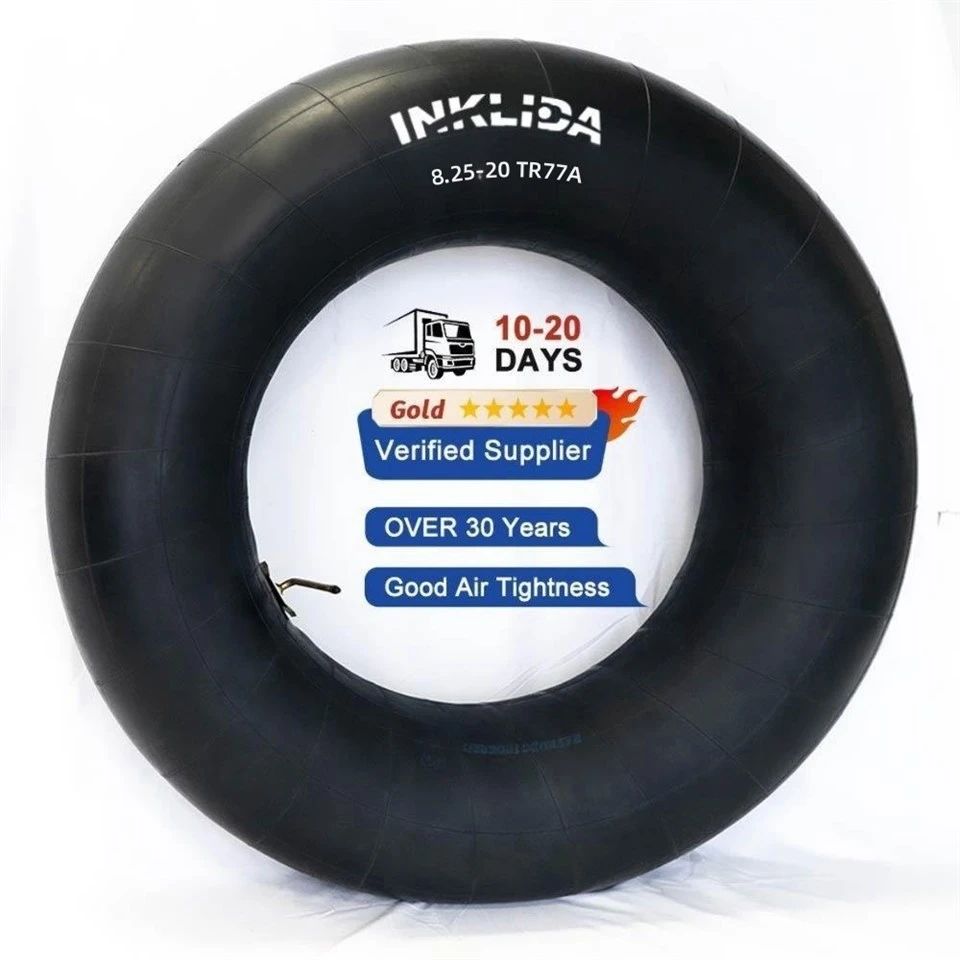
Tire manufacturers provide load and pressure charts that show the recommended pressure for different loads. These charts take into account the tire size, type, and maximum load capacity. For instance, if you are using our Truck Inner Tube 8.25 - 20 TR77A, you can refer to the specific chart provided for this product to find the appropriate pressure for your load.
Make Adjustments for Safety Margin
It's always a good idea to add a small safety margin to the calculated pressure. This accounts for unexpected variations in load, road conditions, or temperature. However, be careful not to over - inflate the inner tube beyond the maximum recommended pressure.
Step - by - Step Guide to Adjusting Inner Tube Pressure
Once you have determined the required pressure, here's how you can adjust it:
Gather the Necessary Tools
You'll need a reliable tire pressure gauge and an air compressor. Make sure the pressure gauge is accurate, as an incorrect reading can lead to improper inflation.
Check the Current Pressure
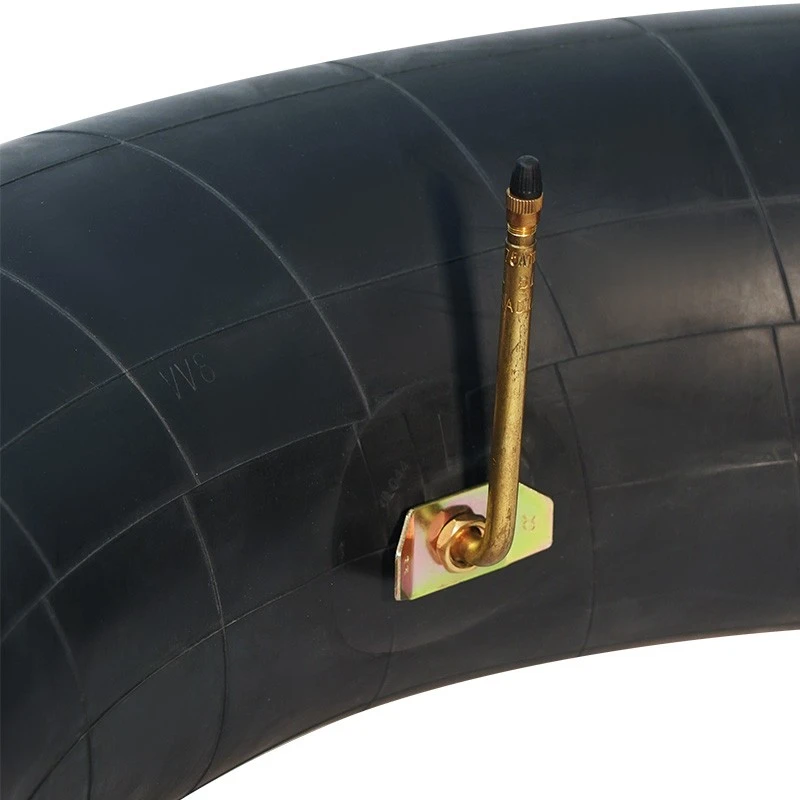
Remove the valve cap from the inner tube and place the pressure gauge on the valve stem. Press firmly to get an accurate reading of the current pressure.
Add or Release Air
If the current pressure is lower than the required pressure, use the air compressor to add air. Add air in small increments and check the pressure frequently to avoid over - inflation. If the pressure is too high, gently press the valve stem with a small tool to release some air until the desired pressure is reached.
Recheck the Pressure
After adding or releasing air, recheck the pressure to ensure it is within the recommended range. Replace the valve cap to prevent dirt and moisture from entering the valve.
Special Considerations for Different Load Conditions
Light Loads
When the truck is carrying a light load, the pressure can be slightly lower than the maximum recommended pressure for the tire. However, it should still be within the minimum recommended range to maintain proper tire shape and performance.
Heavy Loads
For heavy loads, the pressure needs to be increased accordingly. But again, do not exceed the maximum recommended pressure. If you are regularly carrying heavy loads, you may want to consider using a tire with a higher load - carrying capacity, such as our Butyl Inner Tube 1200 - 24.
Variable Loads
If the truck's load varies frequently, it's important to check and adjust the pressure regularly. This may be time - consuming, but it is essential for safety and tire longevity.
The Importance of Regular Pressure Checks
Regularly checking the inner tube pressure is not only important when adjusting it according to the load but also as part of routine truck maintenance. A small leak or a gradual loss of pressure can go unnoticed, leading to problems over time. It is recommended to check the pressure at least once a week and before long trips.
Conclusion
Adjusting the pressure of a truck inner tube according to the load is a critical task that requires careful consideration of multiple factors. By understanding the relationship between load, tire size, road conditions, and temperature, and following the proper procedures for pressure adjustment, you can ensure the safety and efficiency of your truck.
If you have any questions about our truck inner tubes or need further advice on pressure adjustment, please feel free to contact us. We are here to assist you in making the best choices for your trucking needs. Whether you are looking for a reliable inner tube for light - duty or heavy - duty trucks, our wide range of products can meet your requirements. Start a conversation with us today to explore how our truck inner tubes can enhance your vehicle's performance.
References
- Tire and Rim Association, Inc. (T&RA) Standards Manual
- Rubber Manufacturers Association (RMA) Tire Information Book