

Can agricultural tires be used on a trencher in a farm area?
As an agricultural tire supplier, I often get asked a variety of questions from farmers and farm equipment operators. One question that has come up more frequently lately is whether agricultural tires can be used on a trencher in a farm area. In this blog post, I'll delve into this topic in detail, exploring the technical aspects, practical considerations, and potential benefits and drawbacks of using agricultural tires on trenchers.
Technical Compatibility
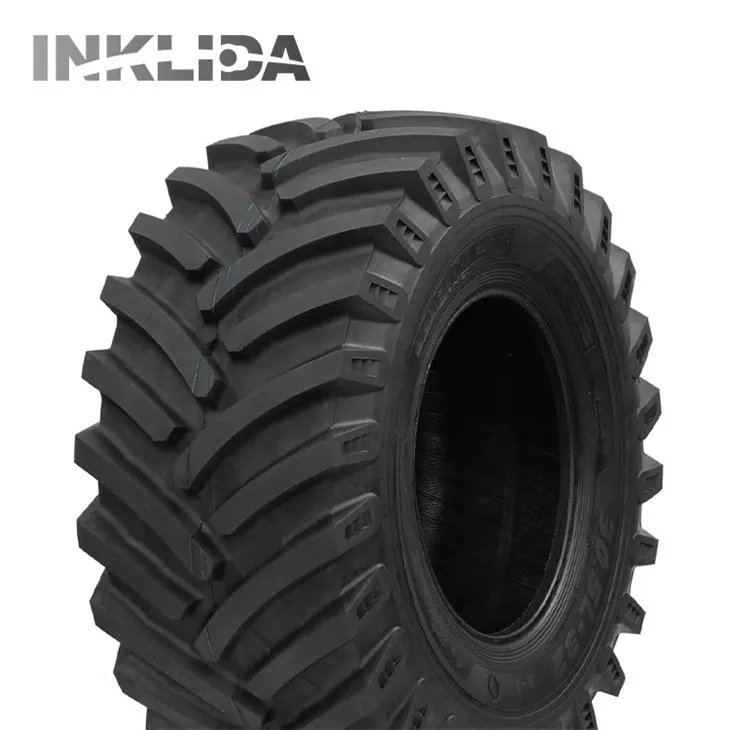
To understand whether agricultural tires can be used on a trencher, we first need to look at the technical specifications of both the tires and the trencher. Agricultural tires are designed primarily for tractors and other farm vehicles that operate on various terrains, including soft soil, muddy fields, and hard - packed ground. They typically have deep treads that provide excellent traction in these conditions.

Trenchers, on the other hand, are specialized machines used for digging trenches. They require tires that can handle the unique stresses associated with the trenching process. These stresses include high - torque forces during the digging operation, as well as the need for stability and maneuverability.
In terms of size and load - bearing capacity, agricultural tires may be compatible with some trenchers. Many modern agricultural tires come in a wide range of sizes, and it's possible to find a tire that matches the trencher's wheel dimensions. Additionally, agricultural tires are often rated for high load capacities, which is important since trenchers can be quite heavy, especially when fully loaded with equipment and attachments.
However, the tread pattern of agricultural tires might not be the most ideal for trenchers. The deep, aggressive treads that are great for tractors in the field can sometimes cause problems on a trencher. When digging a trench, the tire needs to maintain a stable position and not cause excessive soil displacement around the trench area. The large lugs on agricultural tires can disrupt the soil more than necessary, potentially making the trenching process less efficient.
Practical Considerations
From a practical perspective, using agricultural tires on a trencher in a farm area has both advantages and disadvantages.
One of the main advantages is cost - effectiveness. Agricultural tires are generally more affordable than specialized trencher tires. If you already have a supply of agricultural tires on your farm or can source them at a reasonable price from a supplier like me, it can save you a significant amount of money.
Another advantage is availability. Agricultural tires are widely available in the market. This means that if a tire gets damaged during the trenching process, you can easily find a replacement in a local farm supply store or order one from a reliable supplier.
However, there are also some practical drawbacks. As mentioned earlier, the tread pattern can affect the trenching performance. In addition, agricultural tires may not be as durable as specialized trencher tires when it comes to the specific wear and tear caused by the trenching operation. The constant high - torque forces and the abrasive nature of the soil can cause the agricultural tires to wear out more quickly, leading to more frequent tire replacements.
Case Studies and Real - World Examples
Let's look at some real - world examples to better understand the use of agricultural tires on trenchers.
On a small family farm, a farmer decided to use agricultural tires on his trencher to save money. He was digging trenches for a new irrigation system. Initially, the tires worked fine, and he was able to complete a significant portion of the trenching. However, as the project progressed, he noticed that the deep treads of the agricultural tires were causing the soil to pile up around the trench, making it more difficult to keep the trench walls straight. Also, after a few days of use, the tires started to show signs of excessive wear, especially on the edges of the lugs.
On the other hand, a large commercial farm used agricultural tires on their trenchers for a short - term trenching project. They were able to source the tires at a very low cost and were able to complete the project within the budget. Since it was a short - term project, the wear and tear on the tires were not a major concern, and they were satisfied with the overall performance.
R1 Tractor Tires for Dry Land Use
If you're considering using agricultural tires on your trencher, one option to look into is R1 Tractor Tires for Dry Land Use. These tires are designed for use on dry, hard - packed soil, which is common in many farm areas. They have a tread pattern that provides good traction while minimizing soil disruption. This type of tire could potentially be a better choice for a trencher compared to other agricultural tires with more aggressive treads.
Conclusion
In conclusion, while it is possible to use agricultural tires on a trencher in a farm area, it's not a one - size - fits - all solution. There are technical and practical factors to consider, and the decision should be based on your specific needs and circumstances.
If you're on a tight budget and have a short - term trenching project, agricultural tires can be a viable option. However, for long - term, high - volume trenching operations, it might be worth investing in specialized trencher tires.
As an agricultural tire supplier, I'm here to help you make the right decision. I can provide you with detailed information about different types of agricultural tires, their technical specifications, and how they might perform on a trencher. If you're interested in purchasing agricultural tires for your trencher or have any questions, feel free to reach out to me for a consultation. We can discuss your specific requirements and find the best tire solution for your farm.
References
- "Tire Technology Handbook" by John F. Carley
- "Farm Equipment Maintenance Guide" by Agricultural Equipment Manufacturers Association