

Hey there! As a supplier of truck inner tubes, I've seen firsthand how the speed of a truck can have a major impact on these crucial components. In this blog, I'm gonna break down the relationship between truck speed and inner tube performance, and why it's super important for truck owners and operators to understand this connection.
Heat Generation
One of the most significant ways truck speed affects inner tubes is through heat generation. When a truck is cruising at high speeds, the inner tube experiences increased friction with the tire and the road surface. This friction generates heat, and if the temperature gets too high, it can cause serious damage to the inner tube.
At normal speeds, the inner tube can dissipate heat effectively. But as the speed goes up, the rate of heat generation exceeds the rate of dissipation. This leads to a build - up of heat inside the tube. High temperatures can cause the rubber of the inner tube to degrade over time. The rubber may become softer and more prone to punctures and blowouts. It can also affect the integrity of the valve stem, which is a critical part of the inner tube.
Let's say you're driving a truck loaded with goods on a highway at a speed of 60 miles per hour. The inner tube is already under stress from the weight of the truck and the cargo. When you decide to push the speed up to 75 miles per hour, the heat generated inside the tube can spike. This sudden increase in temperature can put a lot of strain on the inner tube, and if it's not a high - quality tube, it might not be able to handle it.
Centrifugal Force
Another factor related to truck speed is centrifugal force. As the truck wheels spin faster, the centrifugal force acting on the inner tube increases. This force tries to push the inner tube outwards towards the tire. At low speeds, the inner tube can handle this force without any issues. But at high speeds, the centrifugal force can become so strong that it can distort the shape of the inner tube.
A distorted inner tube can lead to uneven wear. The areas of the inner tube that are under more stress due to the centrifugal force will wear out faster than the rest. This uneven wear can create weak spots in the tube, making it more likely to fail. For example, if the inner tube is pushed too hard against the tire wall on one side, that side may start to thin out. Eventually, this thin area can develop a leak or even burst.
If you're in the market for a reliable inner tube that can withstand high - speed conditions, check out our 11.00 - 20 Truck Tire Inner Tube. It's designed to handle the increased forces and heat associated with higher truck speeds.
Vibration
Truck speed also affects the level of vibration that the inner tube experiences. Higher speeds generally mean more vibrations. These vibrations can come from the road surface, the engine, and the movement of the truck itself. Vibrations can cause the inner tube to rub against the tire and other components inside the wheel assembly.
Over time, this rubbing can wear down the outer layer of the inner tube. Small abrasions can develop, which can then lead to larger problems. For instance, an abrasion can expose the inner layers of the rubber, making it more vulnerable to punctures. And if the vibration is severe enough, it can even cause the inner tube to shift inside the tire, which can lead to a blowout.
Imagine driving a truck on a bumpy road at a high speed. The constant jolting and shaking can transfer a lot of energy to the inner tube. A good quality inner tube can absorb some of this energy, but if the speed is too high and the vibrations are too intense, it can be a recipe for disaster.
Impact on Inner Tube Lifespan
All these factors - heat generation, centrifugal force, and vibration - combined can significantly reduce the lifespan of a truck inner tube. A truck that is constantly driven at high speeds will likely need its inner tubes replaced more frequently than one that is driven at lower speeds.
If you're a truck operator, this means higher maintenance costs. You'll have to buy new inner tubes more often, and there's also the cost of labor for installation. Plus, unexpected blowouts can cause delays in your delivery schedule, which can be costly for your business.

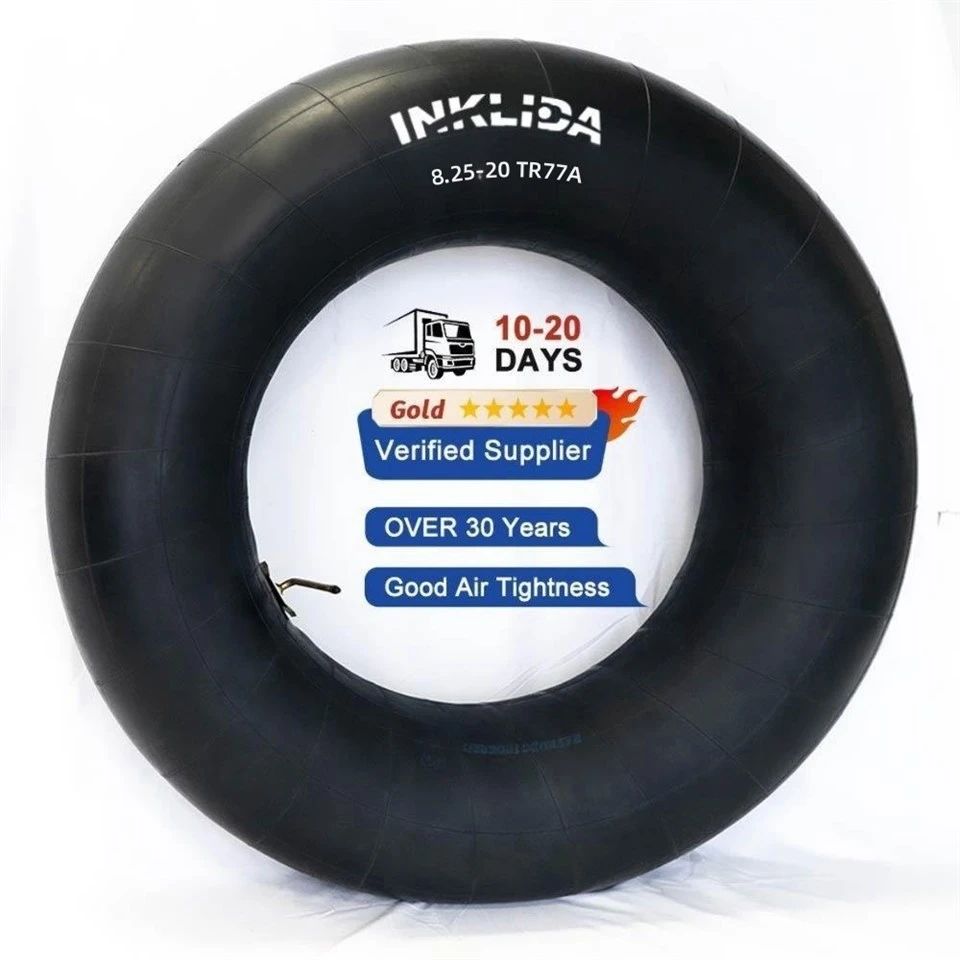
That's why it's so important to choose the right inner tube for your truck, especially if you often drive at high speeds. Our Lorry Tyre Inner Tubes are built to last. They are made from high - quality rubber that can withstand the rigors of high - speed driving.
Pressure Changes
As the speed of the truck changes, the air pressure inside the inner tube can also fluctuate. When a truck speeds up, the air inside the inner tube heats up due to the factors mentioned earlier. According to the ideal gas law, when the temperature of a gas increases, its pressure also increases, assuming the volume remains constant.
So, as the truck goes faster and the inner tube temperature rises, the air pressure inside the tube goes up. If the pressure gets too high, it can cause the inner tube to expand beyond its normal limits. This can lead to a blowout, especially if the tube is already weakened by heat or other factors.
On the other hand, when the truck slows down, the temperature inside the tube drops, and so does the air pressure. These constant pressure changes can also take a toll on the inner tube. A well - designed inner tube should be able to handle these pressure fluctuations without losing its integrity. Our Truck Tyre Inner Tube 825 - 20 is engineered to maintain proper air pressure under different speed and temperature conditions.
Importance of Regular Checks
Given all these effects of truck speed on inner tubes, it's crucial for truck owners and operators to conduct regular checks. You should inspect the inner tubes for signs of wear, such as cracks, abrasions, and bulges. Check the valve stem to make sure it's in good condition. Also, monitor the air pressure regularly.
If you notice any issues with the inner tube, it's better to replace it sooner rather than later. A small problem can quickly turn into a major one, especially if you're driving at high speeds. And don't forget to follow the manufacturer's recommendations regarding speed limits and maintenance schedules.
Conclusion
In conclusion, the speed of a truck has a profound impact on the inner tube. Heat generation, centrifugal force, vibration, pressure changes, and their combined effects can all lead to premature failure of the inner tube. As a truck inner tube supplier, I know how important it is to choose the right inner tube for your specific driving conditions.
If you're looking for high - quality truck inner tubes that can handle the challenges of high - speed driving, we've got you covered. Our range of inner tubes is designed to provide maximum durability and performance. Whether you need a 11.00 - 20 Truck Tire Inner Tube, Lorry Tyre Inner Tubes, or Truck Tyre Inner Tube 825 - 20, we have the perfect solution for you.
If you're interested in purchasing our truck inner tubes or have any questions about them, feel free to reach out to us. We're always ready to assist you in finding the best inner tubes for your trucks.
References
- "The Physics of Vehicle Tires" - A textbook on vehicle dynamics
- "Rubber Technology and Its Applications in Vehicle Components" - A research paper on rubber degradation and performance