

Can I still use a tube in a tubeless motorcycle tire? This is a question that many motorcycle enthusiasts and riders often ask. As a motorcycle inner tube supplier, I've encountered this query numerous times. In this blog, I'll delve into the details of using a tube in a tubeless motorcycle tire, exploring the feasibility, advantages, disadvantages, and other related aspects.
Understanding Tubeless and Tubed Motorcycle Tires
Before we discuss whether it's possible to use a tube in a tubeless motorcycle tire, it's essential to understand the fundamental differences between these two types of tires.
Tubed motorcycle tires have an inner tube that holds the air. The tube is placed inside the tire, and the air is pumped into the tube. This setup has been around for a long time and is relatively simple. The tube provides a barrier between the air and the tire, preventing air leakage.
On the other hand, tubeless motorcycle tires are designed to hold air without the need for an inner tube. They have a special sealant and a bead that seals against the rim to keep the air inside. Tubeless tires are more modern and offer several advantages, such as better heat dissipation, reduced weight, and the ability to self - seal small punctures.
Feasibility of Using a Tube in a Tubeless Motorcycle Tire
The short answer is yes, you can use a tube in a tubeless motorcycle tire. However, there are several factors to consider.
Firstly, the tire and rim must be in good condition. Any damage to the tire or rim can affect the proper installation and performance of the tube. For example, if the rim has a crack or the tire has a large cut, it may not be suitable to use a tube.
Secondly, you need to choose the right size of the tube. Using an incorrect size tube can lead to problems such as improper inflation, uneven wear, and even tire failure. You can find the appropriate tube size by referring to our Motorcycle Inner Tube Sizes page.
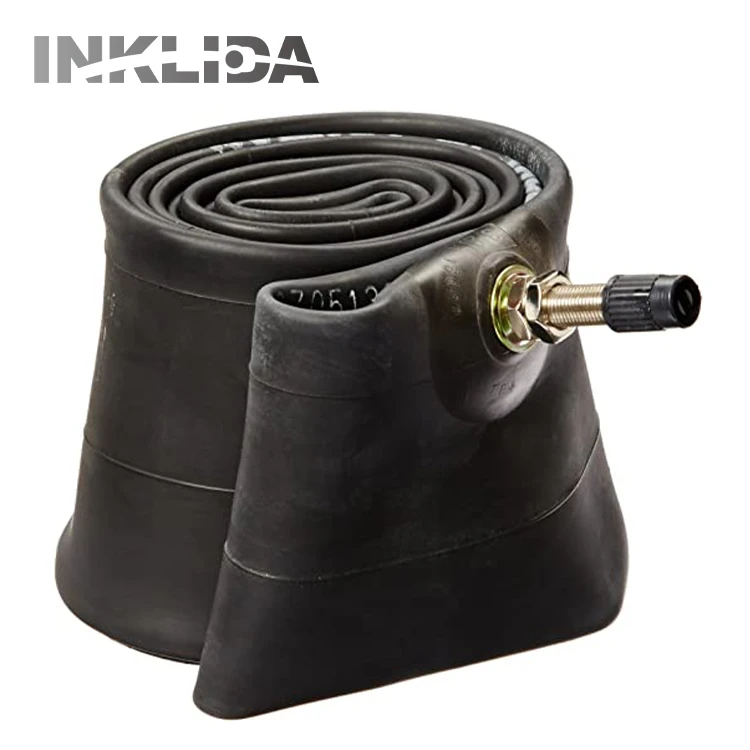
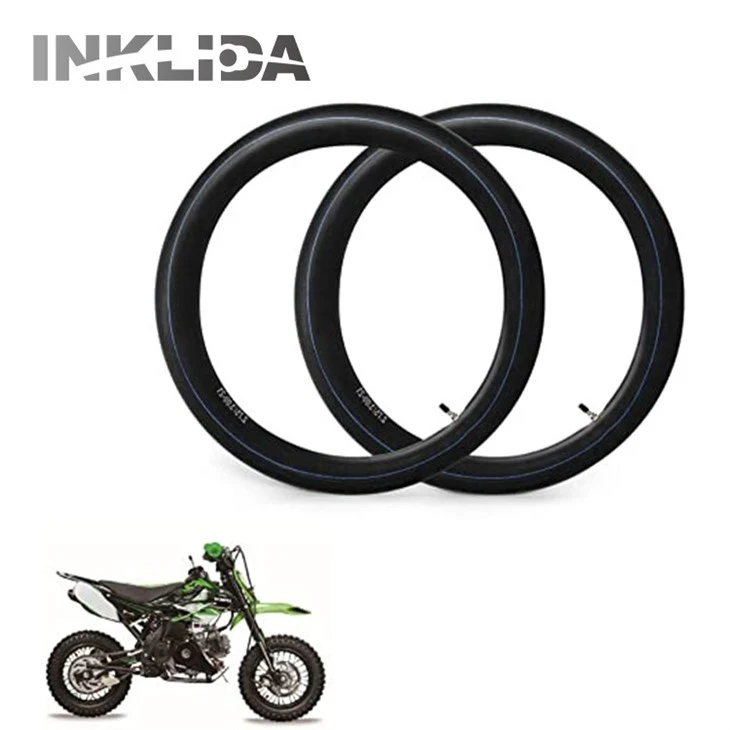
Advantages of Using a Tube in a Tubeless Motorcycle Tire
- Puncture Protection: One of the main advantages is enhanced puncture protection. If a tubeless tire gets a puncture, the air can escape relatively quickly. However, with a tube inside, the tube can act as an extra layer of protection. Even if the tire is punctured, the tube may still hold the air, allowing you to continue riding to a safe place.
- Cost - Effective Repair: In case of a puncture, it is often more cost - effective to repair or replace a tube than to deal with a tubeless tire. Tubeless tire repairs may require special sealants or professional equipment, while tube replacement is a simpler and more affordable process. You can easily find a suitable replacement tube, such as our 275 - 17 Motorcycle Inner Tube.
Disadvantages of Using a Tube in a Tubeless Motorcycle Tire
- Increased Weight: The addition of a tube adds extra weight to the tire. This can affect the motorcycle's handling, acceleration, and fuel efficiency. The extra weight can make the bike feel less responsive, especially during high - speed maneuvers.
- Heat Buildup: Tubes generate more heat compared to tubeless setups. This is because the tube rubs against the inside of the tire, creating friction. Excessive heat can cause the tube to expand and even burst, leading to a dangerous situation on the road.
- Reduced Performance: Tubeless tires are designed to work without a tube, and using a tube can compromise their performance. For example, the self - sealing feature of tubeless tires is no longer effective when a tube is installed.
Installation Process
If you decide to use a tube in a tubeless motorcycle tire, here is a general installation process:
- Prepare the Tire and Rim: Make sure the tire and rim are clean and free of any debris or old sealant. Inspect the rim for any damage.
- Lubricate the Tube: Apply a small amount of talcum powder or tire lubricant inside the tube. This helps the tube to slide easily inside the tire and reduces friction.
- Insert the Tube: Carefully place the tube inside the tire, making sure it is centered. Avoid twisting or folding the tube.
- Mount the Tire on the Rim: Place the tire on the rim and start inflating the tube slowly. As the tube inflates, make sure the tire bead seats properly on the rim.
- Check the Pressure: Once the tire is mounted, check the air pressure and adjust it to the recommended level.
Maintenance and Safety Considerations
- Regular Inspections: Regularly inspect the tube for signs of wear, such as bulges or cuts. Also, check the air pressure frequently, as tubes can lose air over time.
- Proper Inflation: Always maintain the correct air pressure. Over - inflation or under - inflation can lead to premature wear and even tire failure.
- Riding Conditions: Be aware that using a tube in a tubeless tire may change the handling characteristics of your motorcycle. Adjust your riding style accordingly, especially during high - speed or aggressive riding.
Conclusion
In conclusion, while it is possible to use a tube in a tubeless motorcycle tire, it has both advantages and disadvantages. It can provide extra puncture protection and cost - effective repair options, but it also comes with drawbacks such as increased weight and heat buildup.
If you are considering using a tube in your tubeless motorcycle tire, make sure to do your research and follow the proper installation and maintenance procedures. And if you are in the market for high - quality motorcycle inner tubes, we have a wide range of products to choose from, including our Motorcycle Tyre And Inner Tube 18inch.
If you have any questions or are interested in purchasing our motorcycle inner tubes, feel free to reach out to us for more information and to start a procurement discussion. We are always ready to assist you in finding the best solutions for your motorcycle needs.
References
- Motorcycle Tire Manuals from major tire manufacturers
- Industry research on motorcycle tire technology and performance