

In the realm of vehicle safety and maintenance, off the road (OTR) tire flaps often take a back seat compared to more high - profile components like engines or tires themselves. However, these seemingly simple accessories play a crucial role in protecting vehicles, passengers, and road infrastructure. As a supplier of off the road tire flaps, I often encounter a common question: “Can I use an off the road tire flap on any type of vehicle?” In this blog post, I will delve into this question, exploring the factors that determine the compatibility of OTR tire flaps with different types of vehicles.
Understanding Off the Road Tire Flaps
Before we can answer the compatibility question, it's essential to understand what off the road tire flaps are and what they do. OTR tire flaps are heavy - duty covers installed behind vehicle tires. Their primary function is to protect the vehicle, other road users, and the environment from debris expelled by the tires. When a vehicle is moving, especially on rough or unpaved off - road terrains, the tires can pick up rocks, mud, dust, and other debris. Without a tire flap, these materials can be forcefully thrown into the air, potentially causing damage to following vehicles, pedestrians, or surrounding infrastructure.
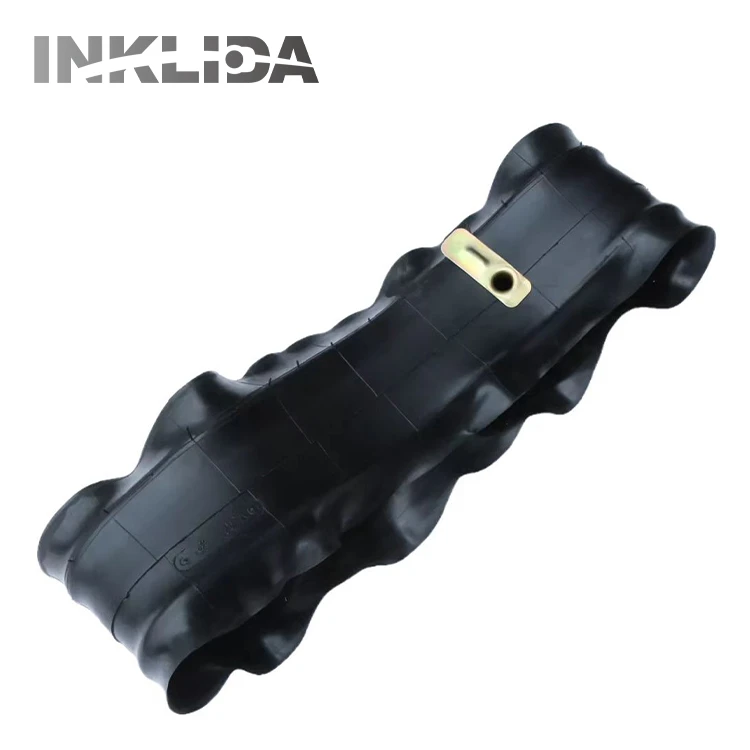
OTR tire flaps are typically made from durable materials such as rubber, polyurethane, or a combination of both. These materials are chosen for their abrasion resistance, flexibility, and ability to withstand harsh off - road conditions. The flaps come in various sizes, shapes, and designs to accommodate different tire sizes and vehicle applications. For instance, a 25 Inch OTR Tire Flap is designed to fit specific large - scale off - road vehicles with corresponding tire dimensions.

Factors Affecting Compatibility
Not all vehicles can use off the road tire flaps, and several factors need to be considered when determining compatibility:
1. Tire Size
The most obvious factor is the size of the tires. Off the road tire flaps are designed to fit specific tire diameters and widths. A flap that is too small for a tire will not effectively cover it, leaving areas exposed to debris. On the other hand, a flap that is too large may interfere with the vehicle's operation, causing it to rub against the tire or other parts of the vehicle. For example, a small ATV tire requires a much smaller flap compared to a large mining truck tire. Vehicle owners need to accurately measure their tire dimensions and choose a flap accordingly to ensure a proper fit.
2. Vehicle Type and Use
The type of vehicle and its intended use also play a significant role. Different vehicles face different driving conditions and debris - expulsion risks. Construction vehicles, such as bulldozers and excavators, operate on rough and debris - filled construction sites. They require heavy - duty, robust tire flaps that can withstand constant impacts from sharp rocks and large chunks of dirt. In contrast, a recreational off - road vehicle like a dirt bike or a small buggy may need a more lightweight and flexible flap. The driving speed and the frequency of off - road use also matter. Vehicles that are driven at high speeds off - road may need sturdier flaps to prevent them from being torn off by the wind or debris.
3. Mounting Mechanism
Each vehicle has a specific mounting mechanism for tire flaps. Some vehicles have pre - drilled holes or brackets for easy installation, while others may require custom - made mounting solutions. The design of the tire flap must be compatible with the vehicle's mounting system. For example, a semi - trailer may have a unique mounting setup that is different from a pickup truck. If the flap cannot be properly mounted on the vehicle, it will not function effectively and may pose a safety risk.
4. Legal Requirements
In some regions, there are legal requirements regarding the use of tire flaps on vehicles. These regulations may specify the size, material, and installation method of the flaps. For example, in certain states, commercial trucks are required to have tire flaps that meet specific standards to prevent debris from being ejected onto the road. Vehicle owners need to ensure that the off the road tire flaps they choose comply with local laws and regulations.
Vehicles That Can Use Off the Road Tire Flaps
Despite the above - mentioned factors, there are several types of vehicles where off the road tire flaps are commonly used and generally compatible:
1. Construction Vehicles
As mentioned earlier, construction vehicles are a prime candidate for OTR tire flaps. Bulldozers, loaders, and dump trucks operate in environments filled with debris. The heavy - duty flaps protect the vehicle's body, the operator's cab, and other equipment on the construction site from flying rocks and dirt. The large tire sizes of these vehicles also require appropriately sized flaps to ensure full coverage.
2. Mining Trucks
Mining trucks are some of the largest vehicles used in the off - road industry. They operate in extremely harsh conditions, with large - sized tires that can expel large amounts of debris. Off the road tire flaps for mining trucks are designed to be highly durable and impact - resistant. These flaps not only protect the truck itself but also other vehicles and workers in the mine.
3. Recreational Off - Road Vehicles
ATVs, dirt bikes, and off - road buggies are popular for recreational use. While they may not face the same level of debris as construction or mining vehicles, they still benefit from the use of tire flaps. The flaps can protect the rider from mud, dust, and small rocks, enhancing the overall riding experience. Lightweight and flexible flaps are often used for these vehicles to minimize weight and interference.
Vehicles That May Not Be Suitable
There are also vehicles where the use of off the road tire flaps may not be appropriate or practical:
1. Standard Passenger Cars
Most standard passenger cars are designed for on - road use and typically do not require off the road tire flaps. The driving conditions on paved roads are generally cleaner, and the risk of debris expulsion is much lower compared to off - road environments. Additionally, the design of passenger cars may not accommodate the installation of OTR tire flaps without significant modifications.
2. High - Performance Sports Cars
High - performance sports cars are engineered for speed and aerodynamics. The addition of off the road tire flaps may disrupt the vehicle's aerodynamic profile, reducing its performance and fuel efficiency. These cars are also mainly used on smooth, paved tracks or roads, where the need for debris protection is minimal.
Conclusion
In conclusion, while off the road tire flaps offer significant benefits in terms of debris protection, they cannot be used on any type of vehicle. Compatibility depends on various factors such as tire size, vehicle type and use, mounting mechanism, and legal requirements. As a supplier of off the road tire flaps, I am committed to providing customers with the right products for their specific needs. We offer a wide range of tire flaps, including the 25 Inch OTR Tire Flap, to ensure that every customer can find a suitable solution.
If you are unsure whether an off the road tire flap is right for your vehicle, or if you need help choosing the correct size and type, please do not hesitate to contact us. Our team of experts is always ready to assist you in making the best decision for your vehicle. We look forward to discussing your procurement needs and providing you with high - quality off the road tire flaps.
References
- Automotive Maintenance and Repair Handbook. McGraw - Hill Education.
- Vehicle Safety Standards and Regulations. National Highway Traffic Safety Administration.
- Off - Road Vehicle Technology Journal. Academic Press.