

As an industrial inner tube supplier, I often receive inquiries about the potential applications of our products. One question that comes up quite frequently is whether industrial inner tubes can be used in water-filled applications. In this blog post, I'll explore this topic in depth, providing insights based on my experience and knowledge of industrial inner tubes.
Understanding Industrial Inner Tubes
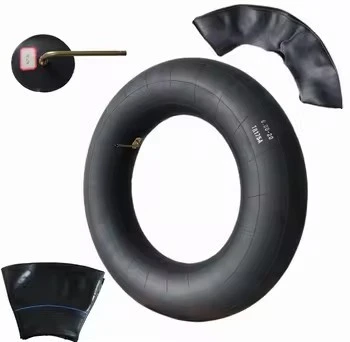
Industrial inner tubes are designed to fit inside tires, providing support and maintaining air pressure. They are typically made from materials such as natural rubber, butyl rubber, or a combination of both. These materials offer durability, flexibility, and resistance to various environmental factors. The construction of industrial inner tubes is optimized for use in a wide range of industrial equipment, including forklifts, tractors, and other heavy machinery.
Factors to Consider for Water-Filled Applications
When considering using industrial inner tubes in water-filled applications, several factors need to be taken into account:
Material Compatibility
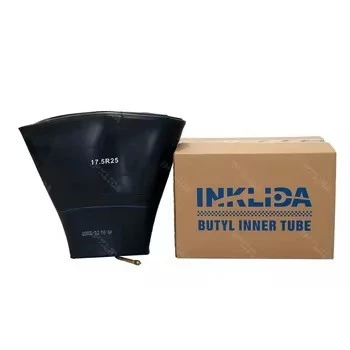
The material of the inner tube is crucial. Some materials may not be compatible with water over extended periods. For example, natural rubber may degrade when exposed to water for long times, leading to a loss of strength and integrity. On the other hand, butyl rubber is known for its excellent resistance to water and moisture. It forms a tight seal and can withstand the corrosive effects of water better than many other materials. So, if you're planning a water-filled application, choosing an inner tube made of butyl rubber, like our High Quality Forklift Butyl Inner Tube, would be a wise choice.
Pressure Resistance
Water-filled applications often create different pressure dynamics compared to air-filled ones. The weight and movement of the water can exert additional pressure on the inner tube. Industrial inner tubes are designed to handle specific pressure ranges. Before using an inner tube in a water-filled application, it's essential to calculate the expected pressure and ensure that the inner tube can withstand it. Over-pressurization can lead to tube failure, which can be dangerous and costly.
Sealing and Leakage
A proper seal is vital in water-filled applications. Even a small leak can cause the water to escape, reducing the effectiveness of the application. Industrial inner tubes are designed with valves and seams that are meant to prevent air leakage. However, when dealing with water, the sealing requirements may be more stringent. Our inner tubes are manufactured with high - precision techniques to ensure a tight seal, minimizing the risk of leakage.
Environmental Conditions
The environment in which the water-filled inner tube will be placed also matters. If the water is contaminated with chemicals or other substances, it could potentially damage the inner tube. Additionally, extreme temperatures can affect the performance of the inner tube. For example, very cold water can make the rubber more brittle, increasing the risk of cracking.
Potential Water-Filled Applications
There are several potential water-filled applications where industrial inner tubes could be used:
Floating Devices
Industrial inner tubes can be used to create floating platforms or buoys. By filling the inner tubes with water, you can adjust the buoyancy and stability of the floating device. For example, in a small-scale aquaculture project, floating platforms made with water-filled inner tubes can be used to support equipment or provide a stable surface for workers. Our 3.50 - 8 Inner Tube could be a suitable choice for such applications due to its size and durability.
Shock Absorption
Water-filled inner tubes can act as shock absorbers in certain industrial settings. The water inside the tube can absorb and dissipate energy from impacts, protecting equipment and reducing vibrations. This can be particularly useful in machinery that experiences frequent jolts or vibrations.
Liquid Storage and Transport
In some cases, industrial inner tubes can be used for temporary liquid storage or transport. However, it's important to ensure that the inner tube is made of a material that is compatible with the liquid being stored. For water, as mentioned earlier, butyl rubber inner tubes are a good option.
Case Studies
Let's look at a couple of real - world examples where industrial inner tubes have been used in water-filled applications:
Case 1: A Small Marina
A small marina wanted to create a floating dock for small boats. They used industrial inner tubes filled with water to provide buoyancy. By using butyl rubber inner tubes, they were able to ensure long - term durability. The water - filled inner tubes were connected together to form a stable platform. Over time, the dock has withstood the constant movement of the water and the weight of the boats without any significant issues.
Case 2: An Industrial Manufacturing Plant
An industrial manufacturing plant was experiencing high levels of vibrations in a particular piece of machinery. They decided to use water - filled inner tubes as shock absorbers. By carefully selecting the right size and type of inner tube, they were able to reduce the vibrations significantly, improving the performance and lifespan of the machinery.
Conclusion
In conclusion, industrial inner tubes can be used in water - filled applications, but careful consideration must be given to factors such as material compatibility, pressure resistance, sealing, and environmental conditions. Butyl rubber inner tubes, like our Forklift Inner Tubes and High Quality Forklift Butyl Inner Tube, are often the best choice due to their water - resistant properties.
If you're considering using industrial inner tubes in a water - filled application, I encourage you to reach out to us. We have a team of experts who can help you select the right inner tube for your specific needs. Whether you're working on a small - scale project or a large industrial application, we're here to provide you with high - quality products and professional advice. Contact us to start a discussion about your requirements and let's find the perfect solution together.
References
- Rubber Manufacturers Association. (20XX). Technical Guidelines for Rubber Products in Liquid Environments.
- Industrial Tire and Inner Tube Handbook. (20XX). A comprehensive guide to industrial tire and inner tube applications.