

Inflating agricultural tires properly is crucial for the efficiency, safety, and longevity of farming equipment. As an agricultural tire supplier, I've witnessed firsthand the impact of correct and incorrect inflation practices on farm operations. In this blog post, I'll share the best practices for inflating agricultural tires, ensuring that your machinery performs at its best in the field.
Understanding the Importance of Proper Inflation
Proper tire inflation is not just about keeping your tractor or other agricultural vehicles moving; it's about optimizing performance, reducing wear and tear, and ensuring safety. Under - inflated tires can lead to increased rolling resistance, which means your equipment has to work harder to move forward. This results in higher fuel consumption and increased operating costs. Additionally, under - inflated tires are more prone to damage, such as cuts and punctures, and can cause uneven wear on the tread, shortening the tire's lifespan.

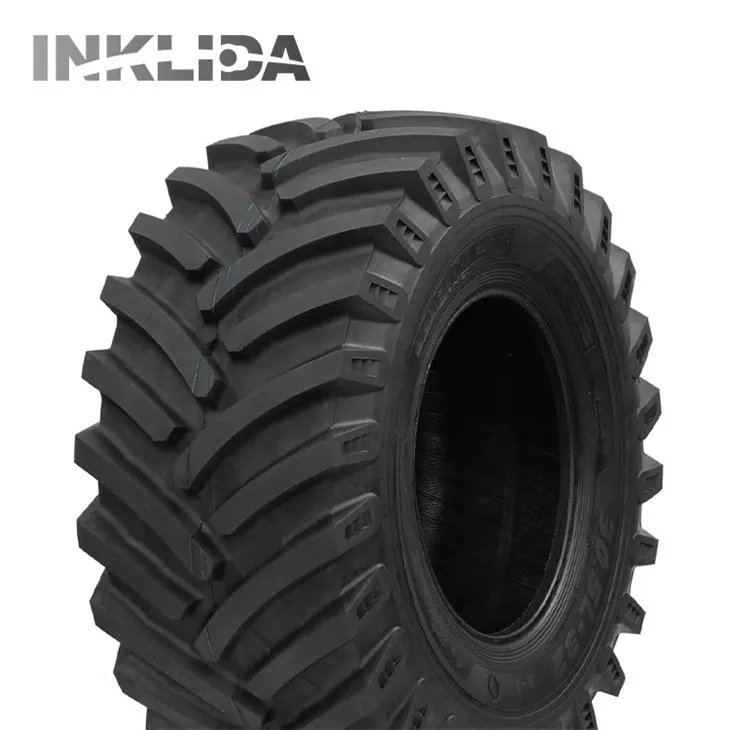
On the other hand, over - inflated tires have a smaller contact area with the ground. This reduces traction, making it difficult to control the vehicle, especially on wet or uneven terrain. Over - inflated tires are also more likely to bounce, which can lead to a rough ride and cause stress on the vehicle's suspension system.
Determine the Correct Tire Pressure
The first step in inflating agricultural tires is to determine the correct tire pressure. This information can usually be found in the vehicle's operator's manual or on a sticker located on the tractor or equipment. The recommended tire pressure is based on several factors, including the tire size, the load the vehicle will carry, and the type of operation it will be used for.
For example, if you're using your tractor for heavy - duty tilling or hauling, you'll need to inflate the tires to a higher pressure than if you're using it for light - duty tasks like mowing. It's important to note that the recommended tire pressure may vary depending on whether the vehicle is loaded or unloaded. Always refer to the manufacturer's guidelines for the most accurate information.
Use a Quality Tire Pressure Gauge
Once you've determined the correct tire pressure, you'll need a reliable tire pressure gauge to measure the pressure in your tires. There are several types of tire pressure gauges available, including digital and analog gauges. Digital gauges are generally more accurate and easier to read, but they can be more expensive. Analog gauges are a more affordable option, but they may require a bit more skill to read accurately.
When using a tire pressure gauge, make sure it's in good working condition. Check the gauge for any signs of damage or wear, and calibrate it regularly according to the manufacturer's instructions. To get an accurate reading, remove the valve cap from the tire and press the gauge firmly onto the valve stem. You should hear a brief hiss of air as the gauge makes contact with the valve. Hold the gauge in place until the reading stabilizes, then record the pressure.
Inflate the Tires Slowly and in Stages
When inflating agricultural tires, it's important to do it slowly and in stages. This allows you to monitor the pressure accurately and prevent over - inflation. Start by adding a small amount of air to the tire, then check the pressure with your gauge. Repeat this process until you reach the recommended pressure.
If you're using an air compressor to inflate the tires, make sure it's set to the appropriate pressure. You can use a pressure regulator on the compressor to control the output pressure. It's also a good idea to keep an eye on the compressor's pressure gauge while inflating the tires to ensure that you don't exceed the recommended pressure.
Check the Tires Regularly
Tire pressure can change over time due to factors such as temperature fluctuations, normal wear and tear, and small leaks. That's why it's important to check the tire pressure regularly, at least once a week or before each use. Regular tire pressure checks can help you identify and address any issues before they become major problems.
In addition to checking the tire pressure, inspect the tires for any signs of damage, such as cuts, bulges, or uneven wear. If you notice any damage, it's important to replace the tire as soon as possible to avoid a blowout or other safety issues.
Consider the Terrain and Operating Conditions
The terrain and operating conditions can also have an impact on tire inflation. For example, if you're working on soft or muddy ground, you may need to reduce the tire pressure slightly to increase the tire's contact area with the ground and improve traction. However, be careful not to reduce the pressure too much, as this can lead to under - inflation and other problems.
On the other hand, if you're working on hard or rocky terrain, you may need to increase the tire pressure slightly to prevent damage to the tires. Again, refer to the manufacturer's guidelines for the recommended tire pressure for different terrains and operating conditions.
Use the Right Tires for the Job
Choosing the right tires for your agricultural equipment is just as important as inflating them properly. Different types of tires are designed for different applications, such as dry land use, wet land use, or high - speed road travel. For dry land use, R1 Tractor Tires for Dry Land Use are a great option. These tires are designed with a deep tread pattern that provides excellent traction on dry, hard ground.
When selecting tires, consider the size, load capacity, and tread pattern of the tires. Make sure the tires are compatible with your equipment and the type of work you'll be doing. If you're not sure which tires are right for your needs, consult with a professional or an experienced agricultural tire supplier.
Conclusion
Properly inflating agricultural tires is essential for the performance, safety, and longevity of your farming equipment. By following these best practices, you can ensure that your tires are inflated to the correct pressure, reducing fuel consumption, preventing damage, and improving traction. Remember to check the tire pressure regularly, use a quality tire pressure gauge, and inflate the tires slowly and in stages.
If you're in the market for new agricultural tires or need more information on tire inflation and maintenance, don't hesitate to contact us. Our team of experts is here to help you find the right tires for your needs and provide you with the support and advice you need to keep your equipment running smoothly. We look forward to working with you and helping you optimize your farm operations.
References
- Agricultural Tire Manufacturers Association (ATMA) - Tire Inflation Guidelines
- Tractor and Farm Equipment Manufacturer's Manuals
- Various Research Papers on Agricultural Tire Performance and Inflation