

As a seasoned supplier of OTR (Off-The-Road) inner tubes, I've encountered numerous inquiries regarding the suitability of our products for high-speed applications. This topic is of significant interest to many in the industry, as the demand for efficient and reliable OTR equipment in high-speed scenarios continues to grow. In this blog post, I'll delve into the technical aspects, performance considerations, and practical limitations to help you understand whether OTR inner tubes can be effectively used in high-speed applications.
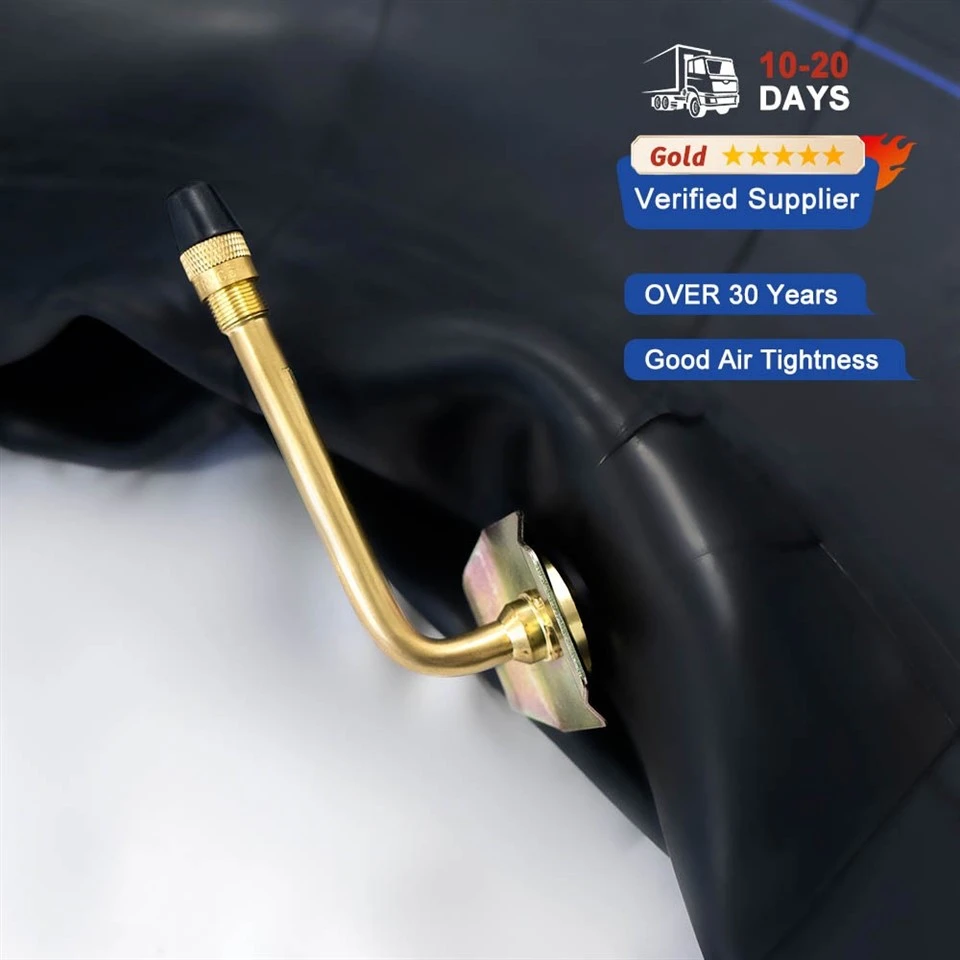
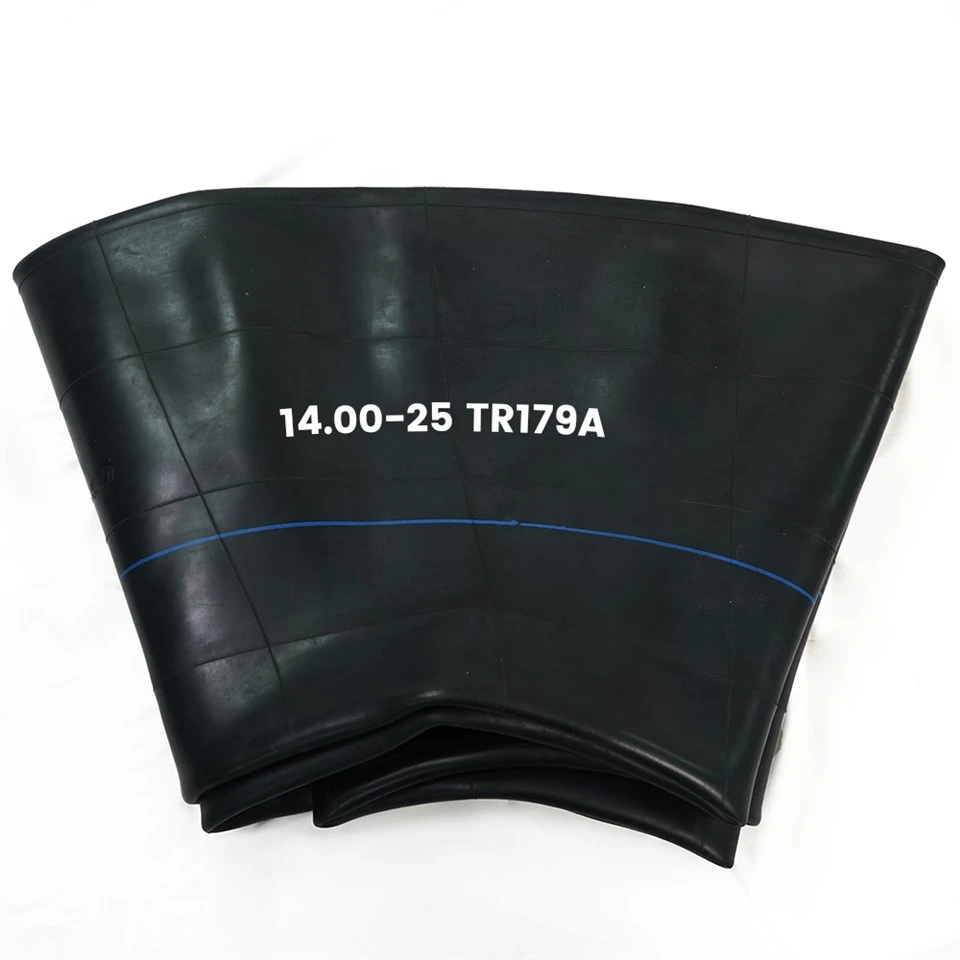
Technical Characteristics of OTR Inner Tubes
OTR inner tubes are specifically designed for heavy-duty, off-road vehicles such as bulldozers, loaders, and backhoes. These vehicles typically operate at relatively low speeds and are subjected to extreme loads and harsh terrain conditions. As a result, OTR inner tubes are constructed with thick, durable rubber compounds to withstand punctures, abrasions, and high pressures.
The thick walls of OTR inner tubes provide excellent resistance to damage from sharp objects and rough surfaces. They are also designed to maintain their shape and integrity under heavy loads, ensuring a stable and secure fit within the tire. Additionally, OTR inner tubes are often reinforced with layers of fabric or steel cords to enhance their strength and durability.
However, these same characteristics that make OTR inner tubes ideal for off-road use can also pose challenges in high-speed applications. The thick rubber and heavy construction of OTR inner tubes can increase the rotational mass of the tire, which in turn can lead to increased heat generation and reduced fuel efficiency at high speeds. Moreover, the stiff sidewalls of OTR inner tubes may not provide the same level of flexibility and responsiveness as inner tubes designed for high-speed use, potentially affecting handling and stability.
Performance Considerations in High-Speed Applications
When considering the use of OTR inner tubes in high-speed applications, it's important to evaluate several key performance factors, including heat resistance, balance, and handling.
Heat Resistance
One of the primary concerns in high-speed applications is heat generation. As the tire rotates at high speeds, friction between the tire and the road surface, as well as internal friction within the tire itself, can cause the temperature of the inner tube to rise significantly. Excessive heat can lead to a number of problems, including rubber degradation, loss of air pressure, and even tire failure.
OTR inner tubes are typically designed to operate at relatively low temperatures, and their thick rubber construction may not dissipate heat as effectively as inner tubes designed for high-speed use. To mitigate the risk of heat-related issues, it's important to ensure that the OTR inner tube is properly inflated and that the tire is operating within its recommended speed and load limits. Additionally, using a high-quality tire pressure monitoring system (TPMS) can help you monitor the temperature and pressure of the inner tube in real-time, allowing you to take corrective action if necessary.
Balance
Another important factor in high-speed applications is balance. An unbalanced tire can cause vibrations, which can not only be uncomfortable for the driver but also lead to premature tire wear and damage to the vehicle's suspension system. OTR inner tubes are often heavier and more rigid than inner tubes designed for high-speed use, which can make them more difficult to balance.
To ensure proper balance, it's important to have the OTR inner tube and tire professionally balanced before installation. This involves using a balancing machine to measure the weight distribution of the tire and inner tube and adding small weights to the wheel to counteract any imbalances. Additionally, it's important to regularly check the balance of the tire and inner tube, especially after any significant changes in tire pressure or load.
Handling
Handling is also a critical consideration in high-speed applications. The stiff sidewalls of OTR inner tubes may not provide the same level of flexibility and responsiveness as inner tubes designed for high-speed use, which can affect the vehicle's handling and stability. Additionally, the heavy construction of OTR inner tubes can increase the rotational mass of the tire, which can make it more difficult to accelerate, decelerate, and turn quickly.
To improve handling and stability, it's important to choose an OTR inner tube that is specifically designed for high-speed use. These inner tubes typically have thinner sidewalls and a more flexible construction, which can provide better responsiveness and handling. Additionally, using a high-quality tire with a tread pattern designed for high-speed use can also help improve handling and stability.
Practical Limitations and Considerations
In addition to the technical and performance considerations discussed above, there are also several practical limitations and considerations to keep in mind when using OTR inner tubes in high-speed applications.
Speed Ratings
Most OTR inner tubes are not designed for high-speed use and do not have a speed rating. Speed ratings indicate the maximum speed at which a tire and inner tube can safely operate. Using an OTR inner tube without a speed rating in a high-speed application can increase the risk of tire failure and other safety issues.
Before using an OTR inner tube in a high-speed application, it's important to check the manufacturer's specifications to ensure that the inner tube is suitable for the intended speed and load. If the inner tube does not have a speed rating, it's recommended to use an inner tube that is specifically designed for high-speed use.
Load Capacity
OTR inner tubes are designed to withstand heavy loads, but they may not be suitable for high-speed applications if the load exceeds the recommended capacity. Exceeding the load capacity of an OTR inner tube can cause the inner tube to overheat, leading to rubber degradation and tire failure.
To ensure that the OTR inner tube is suitable for the intended load, it's important to check the manufacturer's specifications and use a tire and inner tube that are rated for the maximum load. Additionally, it's important to distribute the load evenly across the tires to prevent overloading.
Compatibility
Not all OTR inner tubes are compatible with all types of tires. Before using an OTR inner tube in a high-speed application, it's important to ensure that the inner tube is compatible with the tire and the vehicle. Using an incompatible inner tube can cause a number of problems, including poor fit, air leakage, and tire failure.
To ensure compatibility, it's recommended to consult the tire manufacturer's specifications or a professional tire installer. They can help you choose the right OTR inner tube for your tire and vehicle.
Conclusion
In conclusion, while OTR inner tubes are designed for heavy-duty, off-road use, they can potentially be used in high-speed applications with careful consideration and proper precautions. However, it's important to understand the technical characteristics, performance considerations, and practical limitations of OTR inner tubes before using them in a high-speed scenario.
If you're considering using OTR inner tubes in a high-speed application, I recommend consulting with a professional tire installer or engineer who can provide you with expert advice and guidance. They can help you choose the right OTR inner tube for your specific needs and ensure that it is installed and maintained properly.
At our company, we offer a wide range of OTR inner tubes, including Backhoe Tire Inner Tube, Korean Technology 1400-20 Inner Tube, and Loader Tire 13.6/14.9R24 Inner Tube. Our products are manufactured using high-quality materials and advanced technology to ensure superior performance and durability.
If you have any questions or would like to discuss your OTR inner tube needs, please feel free to contact us. We're here to help you find the right solution for your high-speed application.
References
- Tire and Rim Association, Inc. (T&RA) Standards Manual
- Rubber Manufacturers Association (RMA) Guidelines for Tire Safety and Performance
- Society of Automotive Engineers (SAE) Standards and Recommended Practices