

As a supplier of sack truck inner tubes, I often encounter customers who are confused about the differences between heavy - duty and regular sack truck inner tubes. In this blog, I'll break down these differences to help you make an informed decision when choosing the right inner tube for your sack truck.
1. Construction and Materials
The construction and materials used in heavy - duty and regular sack truck inner tubes are the primary factors that set them apart.
Regular Sack Truck Inner Tubes
Regular inner tubes are typically made from standard rubber compounds. These materials are designed to provide basic functionality at an affordable price. The rubber used is usually of a medium - grade quality that offers decent flexibility and a certain level of durability.
The manufacturing process of regular inner tubes is relatively straightforward. They are often produced using common extrusion and molding techniques. The walls of regular inner tubes are thinner compared to their heavy - duty counterparts. This thinner wall allows for a more lightweight design, which can be an advantage in some applications where the load is not too heavy and maneuverability is key.
Heavy - Duty Sack Truck Inner Tubes
Heavy - duty inner tubes, on the other hand, are constructed with more robust materials. High - strength rubber compounds are used, which are specifically formulated to withstand greater stress and wear. These rubber compounds may contain additional additives such as carbon black, which enhances the tube's strength, abrasion resistance, and heat dissipation properties.
The manufacturing process of heavy - duty inner tubes is more complex. They are often reinforced with additional layers of fabric or other strengthening materials. This reinforcement can be in the form of nylon or polyester cords, which are embedded within the rubber. The result is a tube with thicker walls that can handle much higher pressures and loads without deforming or bursting.
2. Load - Bearing Capacity
One of the most significant differences between heavy - duty and regular sack truck inner tubes is their load - bearing capacity.
Regular Sack Truck Inner Tubes
Regular inner tubes are designed for light to medium - duty applications. They can typically handle loads ranging from a few hundred pounds up to around 1000 pounds, depending on the specific size and design of the tube. These tubes are suitable for general - purpose use in warehouses, retail stores, or small workshops where the loads being transported are not extremely heavy.
However, if you try to exceed the recommended load capacity of a regular inner tube, it can lead to premature wear, increased risk of punctures, and even tube failure. The thinner walls and less - robust construction of regular tubes make them more susceptible to damage under heavy loads.
Heavy - Duty Sack Truck Inner Tubes
Heavy - duty inner tubes are built to handle much heavier loads. They can easily support loads of 1000 pounds or more, and in some cases, can handle loads well over 2000 pounds. This makes them ideal for industrial settings, construction sites, or large - scale warehouses where heavy equipment, building materials, or large quantities of goods need to be moved.
The reinforced construction and stronger materials of heavy - duty inner tubes allow them to distribute the weight evenly across the tube, reducing the stress on any one point. This helps to prevent deformation and ensures that the tube can maintain its shape and integrity even under extreme loads.
3. Resistance to Punctures and Damage
Another important difference between the two types of inner tubes is their resistance to punctures and other forms of damage.
Regular Sack Truck Inner Tubes
Regular inner tubes are more vulnerable to punctures and cuts. The thinner rubber walls can be easily penetrated by sharp objects such as nails, screws, or broken glass. Even small abrasions can gradually weaken the tube over time, leading to air leaks and eventual failure.
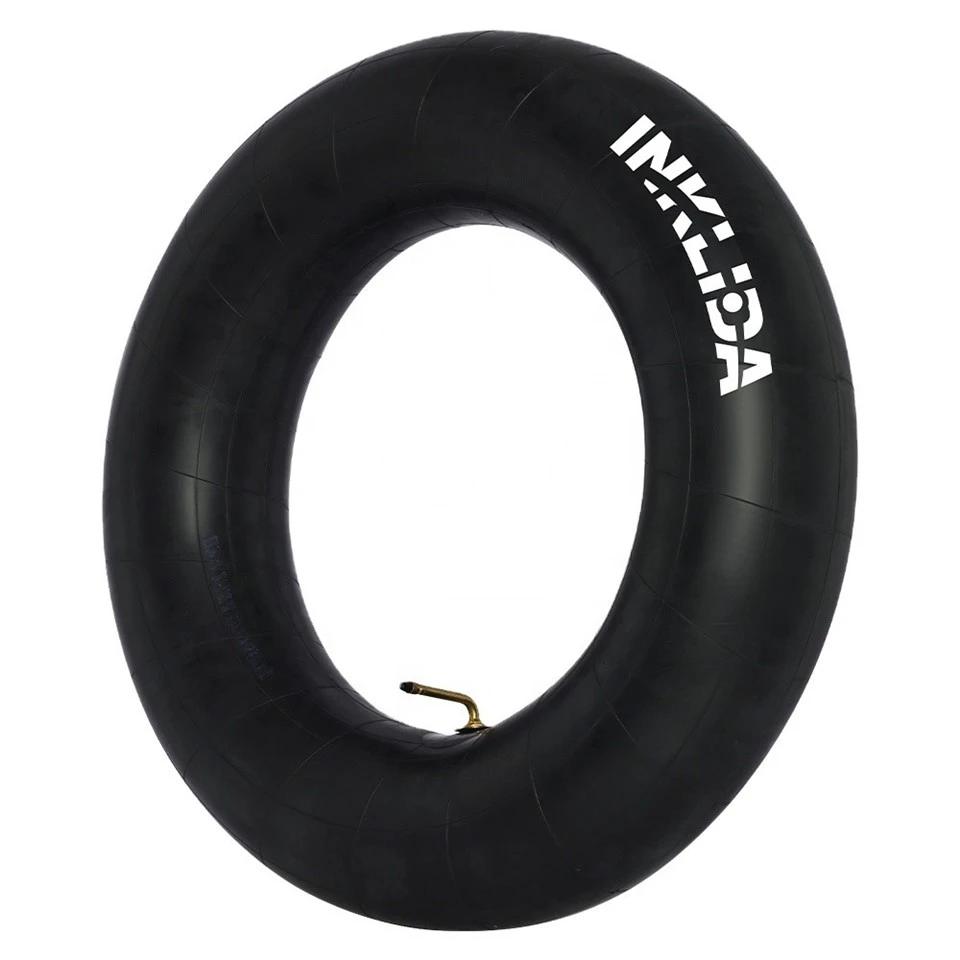
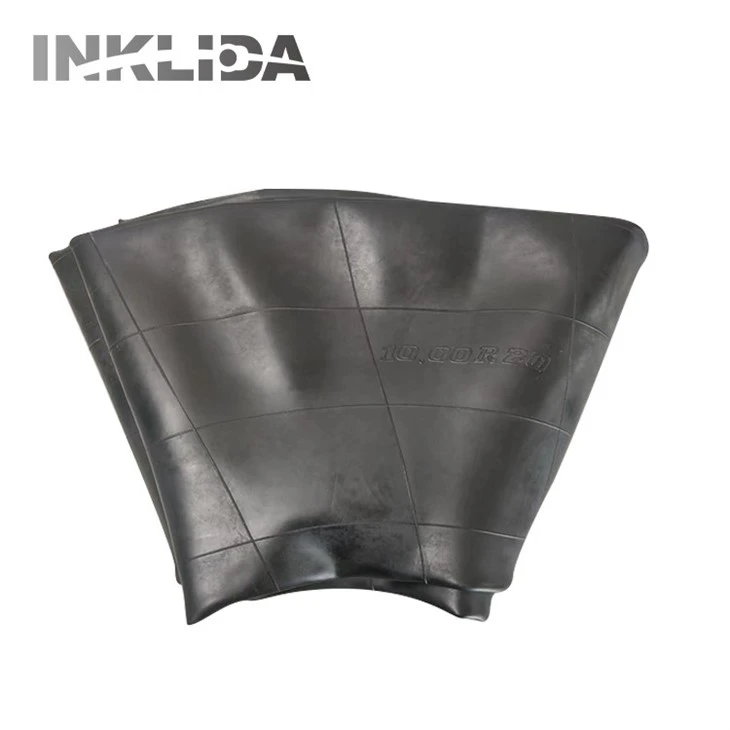
In environments where there is a higher risk of encountering sharp objects, such as construction sites or outdoor areas with debris, regular inner tubes may require more frequent replacement. This can increase the overall cost of operation and downtime for your sack trucks.
Heavy - Duty Sack Truck Inner Tubes
Heavy - duty inner tubes are designed with better puncture resistance. The thicker walls and reinforced construction make it much more difficult for sharp objects to penetrate the tube. The additional layers of fabric or strengthening materials act as a barrier, absorbing the impact of sharp objects and preventing them from reaching the inner rubber layer.
Even if a heavy - duty inner tube does get punctured, it is more likely to retain some air pressure and continue to function for a short period. This can be crucial in situations where you need to finish a task or move the sack truck to a safe location before replacing the tube.
4. Durability and Longevity
The durability and longevity of heavy - duty and regular sack truck inner tubes also differ significantly.
Regular Sack Truck Inner Tubes
Regular inner tubes have a relatively shorter lifespan. Due to their thinner walls and less - robust construction, they are more prone to wear and tear. Factors such as frequent use, exposure to extreme temperatures, and heavy loads can all contribute to the degradation of the rubber over time.
In normal use, a regular inner tube may need to be replaced every few months to a year, depending on the intensity of the usage. This means that you will need to budget for more frequent tube replacements, which can add up in terms of cost.
Heavy - Duty Sack Truck Inner Tubes
Heavy - duty inner tubes are built to last. The high - quality materials and reinforced construction make them more resistant to the effects of wear and tear. They can withstand repeated use under harsh conditions without showing significant signs of deterioration.
In industrial settings where sack trucks are used continuously, a heavy - duty inner tube can last for several years. While the initial cost of a heavy - duty inner tube may be higher than that of a regular tube, the longer lifespan can result in significant cost savings in the long run.
5. Cost Considerations
When it comes to cost, there is a clear difference between heavy - duty and regular sack truck inner tubes.
Regular Sack Truck Inner Tubes
Regular inner tubes are generally more affordable. Their simpler construction and use of standard materials make them a cost - effective option for applications where the load requirements are not too high and the risk of damage is relatively low.
If you have a limited budget and only need to use your sack trucks for light - duty tasks, regular inner tubes may be the best choice. However, it's important to consider the potential cost of frequent replacements and downtime due to tube failures.
Heavy - Duty Sack Truck Inner Tubes
Heavy - duty inner tubes are more expensive upfront. The use of high - quality materials and the more complex manufacturing process contribute to the higher cost. However, as mentioned earlier, their longer lifespan and better performance can offset the initial investment.
In situations where you need to transport heavy loads, operate in harsh environments, or require a high level of reliability, the cost of a heavy - duty inner tube is often justified. It can save you money in the long term by reducing the frequency of tube replacements and minimizing downtime.
Conclusion
In summary, the differences between heavy - duty and regular sack truck inner tubes are significant. Regular inner tubes are suitable for light to medium - duty applications, offering affordability and maneuverability. Heavy - duty inner tubes, on the other hand, are designed for heavy - load applications, providing superior strength, puncture resistance, durability, and longevity.
When choosing the right inner tube for your sack truck, consider the type of loads you will be carrying, the environment in which the truck will be used, and your budget. If you need a tube for heavy - duty tasks, I recommend checking out our Heavy Duty Truck Tire Inner Tube. For more standard applications, our 16 Inch Truck Inner Tube or Inner Tube Truck 750R16 may be the perfect fit.
If you have any questions or need further assistance in selecting the right sack truck inner tube, please don't hesitate to contact us. We are here to help you make the best choice for your specific needs and ensure that your sack trucks operate at their best.
References
- Tire and Rubber Association of America. (2023). Guidelines for Inner Tube Selection and Use.
- Industrial Truck Association. (2022). Best Practices for Sack Truck Maintenance.