

Hey there! As a snow tubes supplier, I often get asked some interesting questions from customers. One question that's been popping up a lot lately is, "Can snow tubes be used on a glacier?" Well, let's dig into this topic and find out the ins and outs.
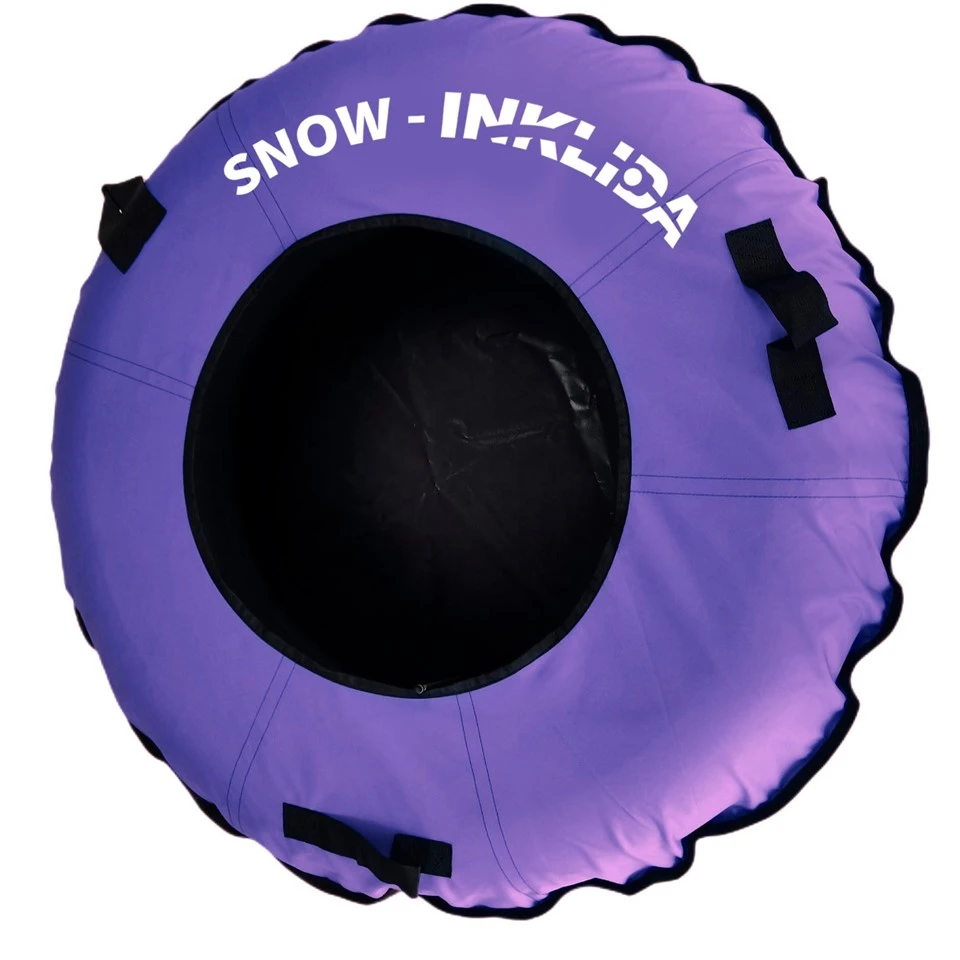
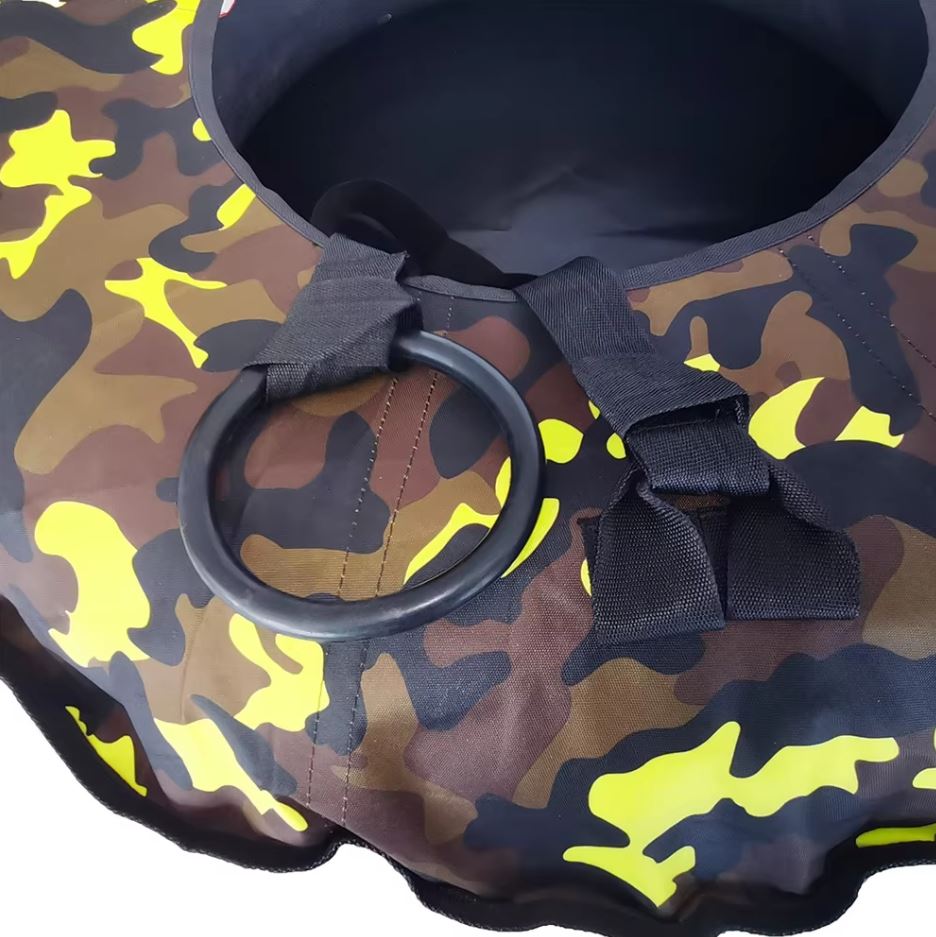
First off, let's talk about what snow tubes are. We offer a variety of high - quality snow tubes, like the 110cm Inflatable Snow Tube With Cover. This bad boy comes with a cover, which not only protects the tube but also adds an extra layer of durability. Then there's the Inflatable Snow Tube Ski, which is super fun for those who want a bit of a different snow - sliding experience. And if you're looking to have some group fun, our 2 Person Inflatable Snow Tube is the way to go.
Now, back to the main question: using snow tubes on a glacier. Glaciers are massive bodies of ice that have formed over a long period of time. They're different from regular snow slopes you might find at a ski resort.
The Pros of Using Snow Tubes on a Glacier
One of the obvious advantages is the unique experience. Glaciers offer a vast, untouched expanse of snow and ice. You won't find the crowds you might encounter at a popular ski area. It's like having your own private winter wonderland. The views from a glacier are also breathtaking. You can see ice formations, crevasses, and maybe even some wildlife if you're lucky.
The snow on glaciers can be quite consistent in some areas. Unlike on regular slopes where the snow might get groomed and packed in different ways, glacier snow can be more uniform, which could potentially provide a smooth ride for your snow tube.
The Cons and Risks
However, there are some major drawbacks and risks associated with using snow tubes on a glacier. First and foremost, glaciers are extremely dangerous environments. Crevasses are a huge concern. These are deep cracks in the ice that can be hidden by a thin layer of snow. If you're going down a glacier on a snow tube and hit a crevasse, it could end very badly. You could fall into one and get seriously injured or even die.
Glaciers also have unpredictable ice conditions. The ice can be hard and uneven, which might cause your snow tube to bounce around violently. This not only makes for an uncomfortable ride but also increases the risk of you falling off and getting hurt.
The weather on glaciers can change in an instant. You might start off with clear skies and calm conditions, but within minutes, a blizzard could roll in. Low visibility, strong winds, and plummeting temperatures can make it very difficult to find your way back to safety.
Another issue is the lack of proper infrastructure. There are no ski patrols, no safety barriers, and no marked trails on most glaciers. If something goes wrong, you're pretty much on your own.
Safety Precautions
If you're still determined to use snow tubes on a glacier (and I really recommend thinking twice), there are some safety precautions you should take. First, you need to go with an experienced guide who knows the glacier well. They can help you avoid crevasses and other hazards.
Wear appropriate safety gear. This includes a helmet to protect your head in case of a fall, and warm, waterproof clothing to keep you protected from the cold and wet conditions. You should also carry a first - aid kit, a map, a compass, and a communication device like a satellite phone.
Legal and Ethical Considerations
In many places, using snow tubes on glaciers might be illegal. Glaciers are often protected natural areas, and authorities want to preserve them. Using snow tubes can cause damage to the ice and disrupt the natural environment. It's important to check local laws and regulations before you even think about heading out on a glacier with your snow tube.
From an ethical perspective, we should respect these natural wonders. Glaciers are already under threat from climate change, and we don't want to add to the damage by engaging in reckless activities on them.
Alternatives to Glacier Snow Tubing
If the risks and legal issues of glacier snow tubing are too much for you (and they should be), there are plenty of other great places to use our snow tubes. Ski resorts are a classic choice. They have well - maintained slopes, safety measures in place, and often offer a range of other winter activities.
There are also dedicated snow tubing parks. These places are designed specifically for snow tubing, with different slopes for different skill levels. They usually have lifts to take you back to the top, so you don't have to spend all your energy hiking up the hill.
Conclusion
So, can snow tubes be used on a glacier? Technically, yes, but it's an extremely risky and often illegal activity. The potential for danger far outweighs the novelty of the experience. Instead, I'd highly recommend using our snow tubes in safer, more regulated environments like ski resorts or snow tubing parks.
If you're interested in purchasing our high - quality snow tubes, whether it's the 110cm Inflatable Snow Tube With Cover, the Inflatable Snow Tube Ski, or the 2 Person Inflatable Snow Tube, feel free to reach out for a purchase and let's start a great business talk!
References
- "Glacier Safety: A Guide for Outdoor Enthusiasts" by Mountain Safety Council
- Local environmental and tourism regulations regarding glacier use
- "The Physics of Snow and Ice" by Arctic Research Institute