

The shape of a motorcycle tire is not merely a matter of aesthetics; it plays a pivotal role in determining the bike's overall performance. As a motorcycle tire supplier, I've witnessed firsthand how different tire shapes can significantly impact various aspects of a motorcycle's functionality, from handling and stability to traction and speed. In this blog, we'll delve into the science behind tire shapes and explore how they influence motorcycle performance.
The Basics of Motorcycle Tire Shapes
Before we dive into the impact of tire shapes on performance, let's first understand the basic types of motorcycle tire shapes. Generally, motorcycle tires can be classified into three main categories based on their cross-sectional shape: round, square, and semi-square.
- Round Tires: Round tires have a circular cross-section, which allows for a large contact patch when the motorcycle is leaned over in a turn. This shape is commonly found on sport bikes and is favored for its excellent cornering performance. Sport Moto Tire often feature a round shape to provide maximum grip and stability during high-speed turns.
- Square Tires: Square tires have a more rectangular cross-section, with a flat tread surface. This shape offers a larger contact patch when the motorcycle is upright, providing better straight-line stability and traction. Square tires are commonly used on touring and cruiser motorcycles, where long-distance comfort and stability are key priorities. Classic Motorcycle Tire often come in a square shape to enhance the bike's stability and handling on the open road.
- Semi-Square Tires: Semi-square tires combine the characteristics of round and square tires, offering a balance between cornering performance and straight-line stability. This shape is a popular choice for all-around motorcycles, as it provides a good compromise between the two extremes. Many modern motorcycles are equipped with semi-square tires to offer a versatile riding experience.
Impact on Handling
One of the most significant ways in which tire shape affects motorcycle performance is through its impact on handling. The shape of the tire determines how the motorcycle responds to steering inputs and how it behaves in different riding conditions.

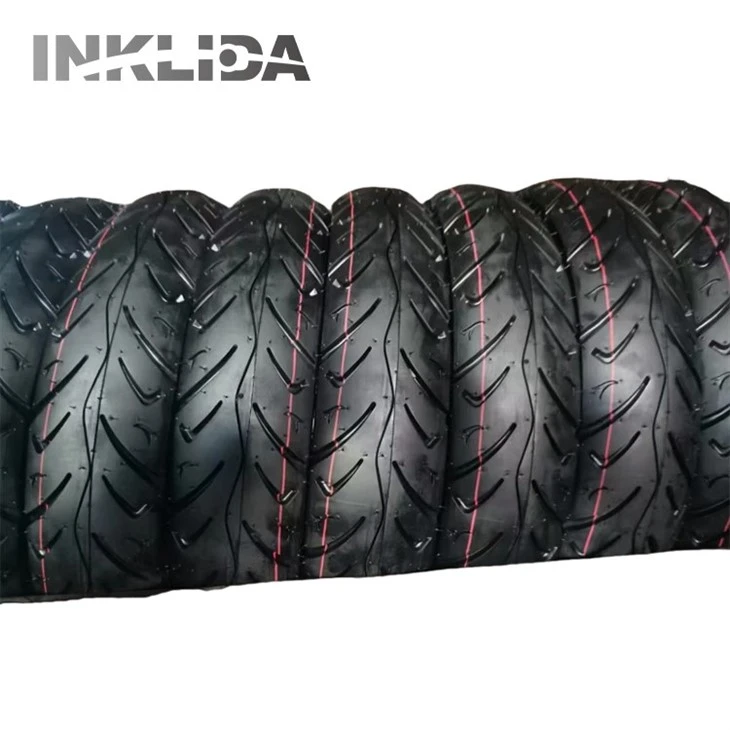
- Cornering: Round tires excel in cornering, as their circular shape allows for a larger contact patch when the motorcycle is leaned over. This increased contact area provides more grip, allowing the rider to take corners at higher speeds with greater confidence. The rounded profile also makes it easier to initiate and maintain a lean angle, resulting in smoother and more precise handling. In contrast, square tires have a smaller contact patch when cornered, which can make them feel less responsive and more difficult to handle in tight turns. However, some riders prefer the stability and predictability of square tires in certain situations, such as when riding on wet or slippery roads.
- Straight-Line Stability: Square tires offer superior straight-line stability due to their flat tread surface and larger contact patch when the motorcycle is upright. This makes them ideal for long-distance touring and highway riding, where maintaining a steady course is essential. The flat profile also helps to reduce tire wear and improve fuel efficiency, as there is less rolling resistance. Round tires, on the other hand, may feel less stable in a straight line due to their rounded shape, which can cause the motorcycle to wander slightly. However, this can be offset by the improved cornering performance of round tires.
Impact on Traction
Traction is another crucial factor in motorcycle performance, and tire shape plays a significant role in determining how well a tire grips the road surface. The shape of the tire affects the distribution of weight and pressure across the contact patch, which in turn influences traction.
- Dry Conditions: In dry conditions, round tires generally offer better traction due to their larger contact patch when cornered. The increased contact area allows for more rubber to be in contact with the road, providing greater grip and traction. Square tires may have a smaller contact patch when cornered, but their flat tread surface can provide good traction in a straight line. Semi-square tires offer a good balance of traction in both straight-line and cornering situations.
- Wet Conditions: In wet conditions, traction becomes even more critical, as the risk of skidding and losing control is increased. Square tires tend to perform better in wet conditions due to their flat tread surface, which helps to displace water more effectively. The larger contact patch also provides more grip on slippery surfaces. Round tires may have a harder time displacing water, especially when cornered, which can increase the risk of hydroplaning. However, some modern round tires are designed with special tread patterns and compounds to improve wet-weather traction.
Impact on Speed
Tire shape can also have an impact on a motorcycle's top speed and acceleration. The shape of the tire affects the rolling resistance, which is the force that opposes the motion of the motorcycle.
- Rolling Resistance: Square tires generally have lower rolling resistance than round tires due to their flat tread surface and larger contact patch when the motorcycle is upright. This means that less energy is required to keep the motorcycle moving, resulting in better fuel efficiency and potentially higher top speeds. Round tires, on the other hand, have a higher rolling resistance due to their rounded shape, which can make them less efficient at high speeds. However, the improved cornering performance of round tires can offset this disadvantage in certain situations, such as on a race track.
- Acceleration: The shape of the tire can also affect a motorcycle's acceleration. Square tires provide better traction in a straight line, which can result in faster acceleration. The larger contact patch allows for more power to be transferred to the road, enabling the motorcycle to accelerate more quickly. Round tires may have a slower acceleration due to their higher rolling resistance and smaller contact patch in a straight line. However, the improved cornering performance of round tires can make them more suitable for motorcycles that are designed for high-speed cornering and agility.
Impact on Comfort
In addition to handling, traction, and speed, tire shape can also have an impact on rider comfort. The shape of the tire affects how the motorcycle absorbs shocks and vibrations from the road surface, which can significantly influence the riding experience.
- Shock Absorption: Round tires tend to provide better shock absorption than square tires due to their rounded shape, which allows them to conform to the road surface more easily. This results in a smoother and more comfortable ride, especially on rough or uneven roads. Square tires may feel stiffer and less forgiving, as their flat tread surface provides less flexibility. However, some riders prefer the firmness and stability of square tires, as it can give them a greater sense of control.
- Vibration Isolation: The shape of the tire can also affect how well it isolates the rider from vibrations. Round tires generally offer better vibration isolation than square tires due to their rounded shape, which helps to absorb and dissipate vibrations more effectively. This can reduce fatigue and discomfort during long rides. Square tires may transmit more vibrations to the rider, especially at high speeds or on rough roads.
Choosing the Right Tire Shape
When choosing a motorcycle tire, it's important to consider your riding style, preferences, and the type of motorcycle you own. Here are some factors to keep in mind:
- Riding Style: If you're a sport rider who enjoys taking corners at high speeds, a round tire may be the best choice for you. Round tires offer excellent cornering performance and traction, allowing you to push the limits of your motorcycle. If you're a touring or cruiser rider who spends most of your time on the open road, a square tire may be more suitable. Square tires provide better straight-line stability and comfort, making them ideal for long-distance riding.
- Road Conditions: The type of road conditions you typically ride on should also influence your tire choice. If you frequently ride on wet or slippery roads, a square tire may offer better traction and stability. Square tires are also a good choice for off-road riding, as their flat tread surface provides better grip on loose or uneven terrain. Off Road Motorcycle Tyre are specifically designed for off-road use and often feature a square or semi-square shape.
- Motorcycle Type: The type of motorcycle you own can also affect your tire choice. Different motorcycles have different handling characteristics and requirements, and the tire shape should be chosen to complement these factors. For example, a sport bike is typically designed for high-speed cornering and agility, so a round tire would be a good fit. A touring or cruiser motorcycle, on the other hand, is designed for long-distance comfort and stability, so a square tire would be more appropriate.
Conclusion
In conclusion, the shape of a motorcycle tire has a profound impact on its performance. From handling and traction to speed and comfort, every aspect of a motorcycle's functionality is influenced by the shape of its tires. As a motorcycle tire supplier, I understand the importance of choosing the right tire shape for your specific needs and riding style. Whether you're a sport rider, a touring enthusiast, or an off-road adventurer, there's a tire shape that's perfect for you.
If you're interested in learning more about motorcycle tires or are looking to purchase new tires for your motorcycle, please don't hesitate to contact us. Our team of experts is here to help you find the perfect tire for your needs and ensure that you have a safe and enjoyable riding experience.
References
- Motorcycle Tire Technology: Principles and Design, by John Doherty
- The Motorcycle Tire Book, by David L. Alden
- Motorcycle Performance Handbook, by Tony Foale