

Industrial inner tubes play a crucial role in various industrial applications, from forklifts to other heavy - duty machinery. As a supplier of industrial inner tubes, I often receive inquiries from customers about whether these tubes require special maintenance. In this blog post, I will delve into this topic and provide some insights based on my experience in the industry.
Understanding Industrial Inner Tubes
Industrial inner tubes are designed to withstand high pressures and heavy loads. They are typically made from materials such as butyl rubber, which offers excellent air retention and resistance to heat and chemicals. These tubes are used in a wide range of industrial tires, including those on forklifts, tractors, and other equipment.
The performance of an industrial inner tube depends on several factors, including the quality of the material, the manufacturing process, and the operating conditions. For example, a 9 Inch Forklift Tire Tube used in a busy warehouse may experience different levels of stress compared to one used in a more controlled environment.
General Maintenance Requirements
Just like any other industrial equipment, industrial inner tubes do require some level of maintenance to ensure their optimal performance and longevity. Here are some general maintenance practices that are recommended:
Regular Inspections
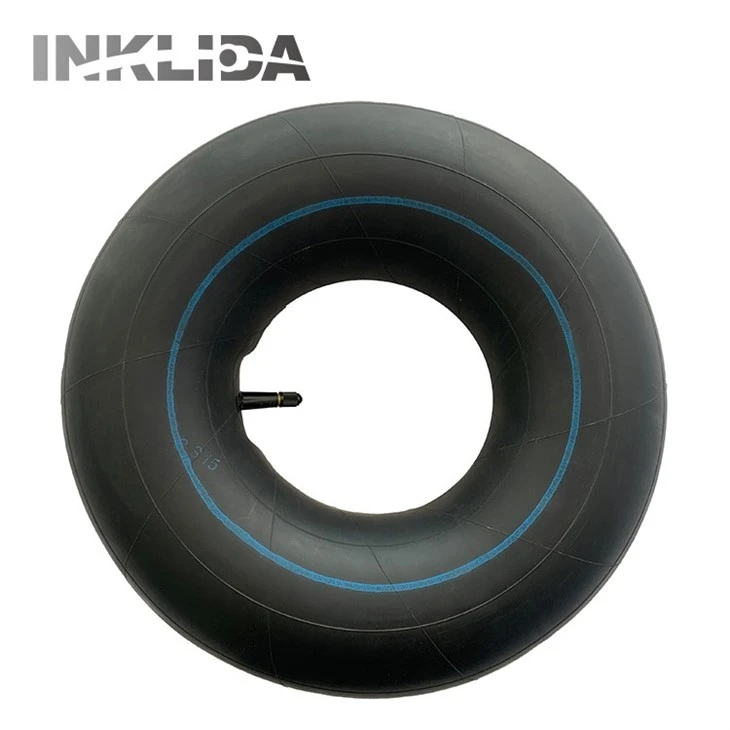
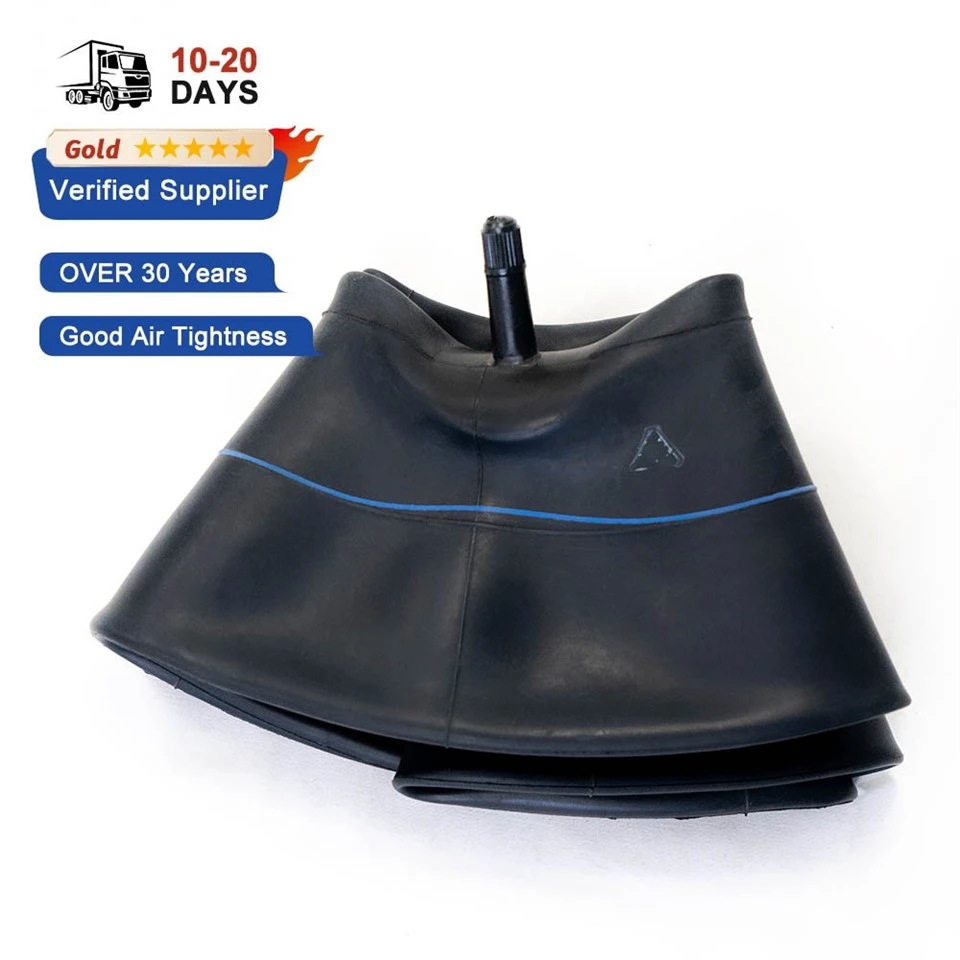
Regular visual inspections are essential. Check the inner tube for any signs of damage, such as cuts, punctures, or bulges. A small cut or puncture can quickly lead to air leakage, which can cause the tire to lose pressure and affect the performance of the equipment. Inspect the valve stem as well, making sure it is not damaged or loose.
Proper Inflation
Maintaining the correct inflation pressure is crucial. Under - inflated inner tubes can cause excessive heat buildup, which can lead to premature wear and even failure. Over - inflated tubes, on the other hand, can be more prone to punctures and may not provide the necessary cushioning for the equipment. Refer to the manufacturer's guidelines for the recommended inflation pressure for your specific inner tube.
Cleanliness
Keep the inner tubes clean. Dirt, debris, and chemicals can damage the rubber over time. If the inner tube is exposed to harsh chemicals or abrasive materials, it is important to clean it thoroughly as soon as possible. Use a mild soap and water solution to clean the tube, and avoid using harsh chemicals that could damage the rubber.
Special Maintenance Considerations
In addition to the general maintenance practices, there are some special maintenance considerations for industrial inner tubes, depending on the specific application and operating conditions.
High - Load Applications
In high - load applications, such as forklifts carrying heavy pallets, the inner tubes are subjected to greater stress. In these cases, it is important to monitor the inflation pressure more frequently. High - load conditions can cause the pressure to fluctuate more rapidly, and maintaining the correct pressure is essential to prevent premature wear and failure.
For instance, a High Quality Forklift Butyl Inner Tube used in a high - load forklift operation may need to be inspected and have its pressure checked daily. Also, consider using inner tubes with a higher load - rating to ensure they can handle the heavy loads without issue.
Harsh Environments
If the industrial inner tubes are used in harsh environments, such as areas with extreme temperatures, chemicals, or rough terrain, special maintenance is required.
In extreme heat conditions, the rubber can become more brittle and prone to cracking. To mitigate this, consider using inner tubes made from heat - resistant materials. In cold temperatures, the rubber can become stiff, which can affect its flexibility and performance. Insulate the tires if possible, and make sure the inflation pressure is adjusted according to the temperature changes.
When exposed to chemicals, such as oils or solvents, the rubber can be damaged. Use chemical - resistant inner tubes in these situations, and clean the tubes regularly to remove any chemical residues.
For rough terrain, the inner tubes are more likely to be punctured. Inspect the tubes more frequently for signs of damage, and consider using puncture - resistant inner tubes, such as those with an additional layer of protection.
Storage
Proper storage of industrial inner tubes is also important. When not in use, store the inner tubes in a cool, dry place away from direct sunlight and sources of heat. Avoid storing them in contact with sharp objects or chemicals. If possible, hang the inner tubes to prevent them from developing flat spots.
The Role of Quality in Maintenance
The quality of the industrial inner tube can significantly impact the maintenance requirements. High - quality inner tubes, such as the ones we supply at our company, are made from superior materials and are manufactured using advanced processes.
High - quality inner tubes are more resistant to damage, have better air retention, and are less likely to require frequent repairs. For example, a 3.50 - 8 Inner Tube of high quality will be more durable and reliable, reducing the overall maintenance costs and downtime.
Conclusion
In conclusion, industrial inner tubes do require special maintenance, especially in high - load, harsh - environment, or other demanding applications. Regular inspections, proper inflation, cleanliness, and special considerations based on the operating conditions are all essential for ensuring the optimal performance and longevity of these tubes.
As a supplier of industrial inner tubes, we are committed to providing high - quality products and offering our customers the best advice on maintenance. If you are in the market for industrial inner tubes or have any questions about their maintenance, we encourage you to contact us for a purchase negotiation. We have a team of experts who can help you select the right inner tubes for your specific needs and provide you with detailed maintenance guidelines.
References
- "Industrial Tire and Inner Tube Handbook" - Published by an industry - leading organization on industrial equipment.
- Manufacturer's guidelines for various industrial inner tube products.
- Research studies on the performance and maintenance of rubber - based industrial components.