

Choosing the right agricultural tire is a critical decision that can significantly impact the efficiency, productivity, and overall performance of farming operations. Different types of crops require specific tire characteristics to ensure optimal results in various soil conditions and tasks. As an experienced agricultural tire supplier, I understand the importance of making informed choices when it comes to selecting the right tires for your specific crop needs. In this blog, I will guide you through the key factors to consider when choosing agricultural tires based on the type of crop you are growing.
Understanding the Impact of Crops on Tire Requirements
The type of crop you are cultivating plays a crucial role in determining the most suitable agricultural tires for your equipment. Different crops have unique growth patterns, planting and harvesting methods, and soil requirements, which all influence the type of tires needed to support the machinery. For example, crops grown in dry, sandy soils may require tires with excellent traction and stability, while those grown in wet or muddy conditions demand tires with superior flotation and self-cleaning capabilities.
Tires for Cereal Crops
Cereal crops such as wheat, barley, and oats are typically grown in large-scale monoculture systems. These crops are commonly planted in well-drained, loamy soils and require tractors and combines for planting, tilling, and harvesting. When selecting tires for cereal crop cultivation, consider the following factors:
- Traction: Cereal crops often require significant pulling power during planting and harvesting. Tires with deep treads and a wide footprint provide excellent traction, allowing the machinery to move efficiently across the field without slippage.
- Load Capacity: Tractors and combines used in cereal crop production need to carry heavy loads of grain and equipment. Choose tires with a high load capacity to ensure they can support the weight of the machinery and its cargo without compromising performance.
- Durability: Long working hours and rough terrain can take a toll on tires. Opt for durable tires made from high-quality materials that can withstand the rigors of continuous use in agricultural settings.
One excellent option for cereal crop cultivation is the R1 Tractor Tires for Dry Land Use. These tires are specifically designed for dry, hard-packed soils, offering superior traction and stability. They feature deep, aggressive treads that provide excellent grip, even on uneven surfaces, making them ideal for use in large-scale cereal crop production.
Tires for Row Crops
Row crops such as corn, soybeans, and cotton are planted in rows with specific spacing between each plant. These crops require precise planting and cultivation, often using specialized equipment such as planters and cultivators. When choosing tires for row crop cultivation, keep the following in mind:

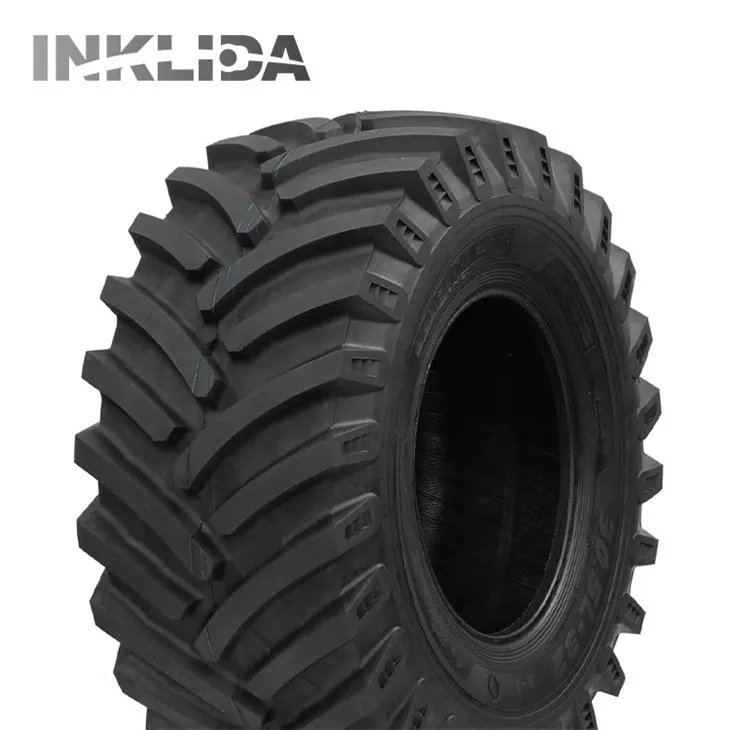
- Precision and Maneuverability: Row crop equipment needs to navigate narrow rows and make precise turns. Tires with a narrow profile and good steering response are essential for maintaining accuracy and efficiency in the field.
- Flotation: To minimize soil compaction and prevent damage to the crops, tires with good flotation characteristics are necessary. These tires distribute the weight of the machinery more evenly, reducing the pressure on the soil and minimizing the risk of rutting.
- Self-Cleaning: Row crops are often grown in areas with high humidity or rainfall, which can cause mud and debris to accumulate on the tires. Tires with self-cleaning treads help prevent clogging and maintain traction, even in wet conditions.
Tires for Fruit and Vegetable Crops
Fruit and vegetable crops are typically grown in smaller, more specialized fields and require careful handling to ensure quality and yield. These crops often involve frequent irrigation and use of fertilizers, which can make the soil soft and prone to compaction. When selecting tires for fruit and vegetable crop cultivation, consider the following factors:
- Low Ground Pressure: To minimize soil compaction and protect the delicate root systems of fruit and vegetable plants, choose tires with a large footprint and low inflation pressure. These tires distribute the weight of the machinery more evenly, reducing the pressure on the soil and minimizing the risk of damage.
- Traction on Soft Soils: Fruit and vegetable fields are often irrigated, which can make the soil soft and slippery. Tires with good traction on soft soils are essential to ensure the machinery can move efficiently without getting stuck.
- Puncture Resistance: Fruit and vegetable crops may be grown in areas with sharp objects such as rocks or debris, which can cause punctures in the tires. Choose tires with puncture-resistant features to minimize the risk of flats and downtime.
Tires for Forage Crops
Forage crops such as alfalfa, clover, and grass are grown for livestock feed. These crops are typically harvested using specialized equipment such as hay balers and silage harvesters. When selecting tires for forage crop cultivation, consider the following factors:
- High-Speed Capability: Forage harvesting equipment often needs to operate at high speeds to cover large areas efficiently. Tires with high-speed ratings are essential to ensure the machinery can maintain optimal performance without overheating or causing excessive wear.
- Load Capacity: Hay balers and silage harvesters can carry heavy loads of forage, so choose tires with a high load capacity to support the weight of the equipment and its cargo.
- Traction on Grass and Wet Surfaces: Forage crops are often grown in grassy fields or areas with high rainfall, which can make the ground slippery. Tires with good traction on grass and wet surfaces are necessary to ensure the machinery can move safely and efficiently without slipping or getting stuck.
Other Considerations
In addition to the crop-specific factors mentioned above, there are several other considerations when choosing agricultural tires:
- Tire Size and Fit: Ensure that the tires you choose are the right size and fit for your equipment. Incorrect tire size can affect the performance and safety of the machinery.
- Inflation Pressure: Maintaining the correct inflation pressure is crucial for optimal tire performance and longevity. Refer to the manufacturer's recommendations for the appropriate inflation pressure for your tires.
- Tire Maintenance: Regular tire maintenance, including inspection, rotation, and balancing, can help extend the life of your tires and ensure they perform at their best.
- Budget: While it's important to choose high-quality tires that meet your specific needs, consider your budget when making a decision. Compare prices and features from different manufacturers to find the best value for your money.
Conclusion
Choosing the right agricultural tire based on the type of crop you are growing is essential for maximizing efficiency, productivity, and profitability in your farming operations. By considering the specific requirements of your crop, soil conditions, and equipment, you can select the tires that will provide the best performance and durability. As an agricultural tire supplier, I am committed to helping you make informed decisions and providing you with the highest quality tires to meet your needs. If you have any questions or need further assistance in choosing the right agricultural tires, please feel free to contact me. I look forward to working with you to ensure the success of your farming business.
References
- Agricultural Machinery Management Decisions. (n.d.). Tire Selection and Maintenance. Retrieved from [website]
- Goodyear Farm Tires. (n.d.). Choosing the Right Agricultural Tires. Retrieved from [website]
- Michelin Agriculture. (n.d.). Tire Technology for Agricultural Applications. Retrieved from [website]