

In the realm of industrial vehicles, the significance of every component cannot be overstated. Among these, industrial tire flaps play a crucial role in the overall performance and safety of the tires. As a leading supplier of industrial tire flaps, I often encounter a question from our customers: "Do industrial tire flaps need to be balanced with the tire?" This blog post aims to delve into this topic, providing a comprehensive analysis based on scientific principles and practical experience.
Understanding Industrial Tire Flaps
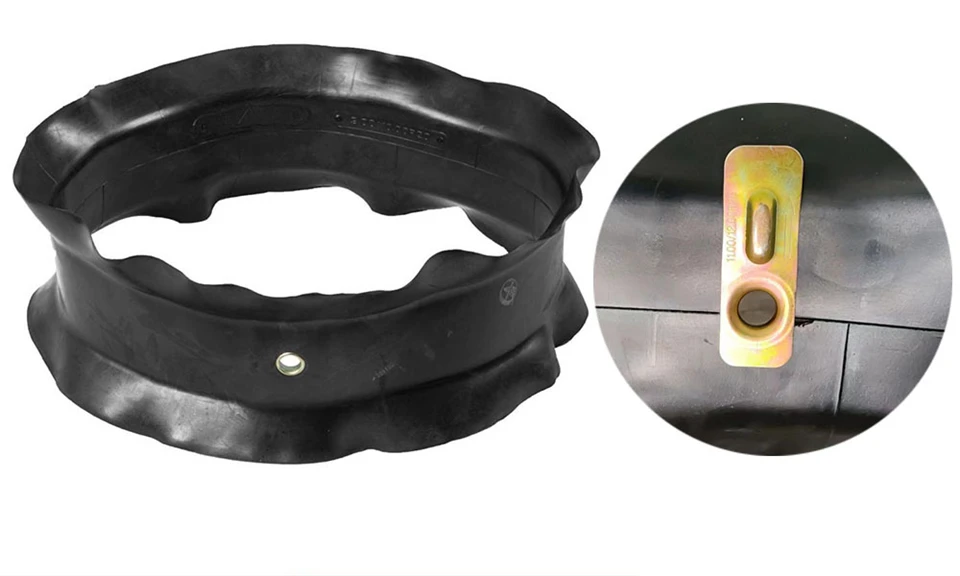
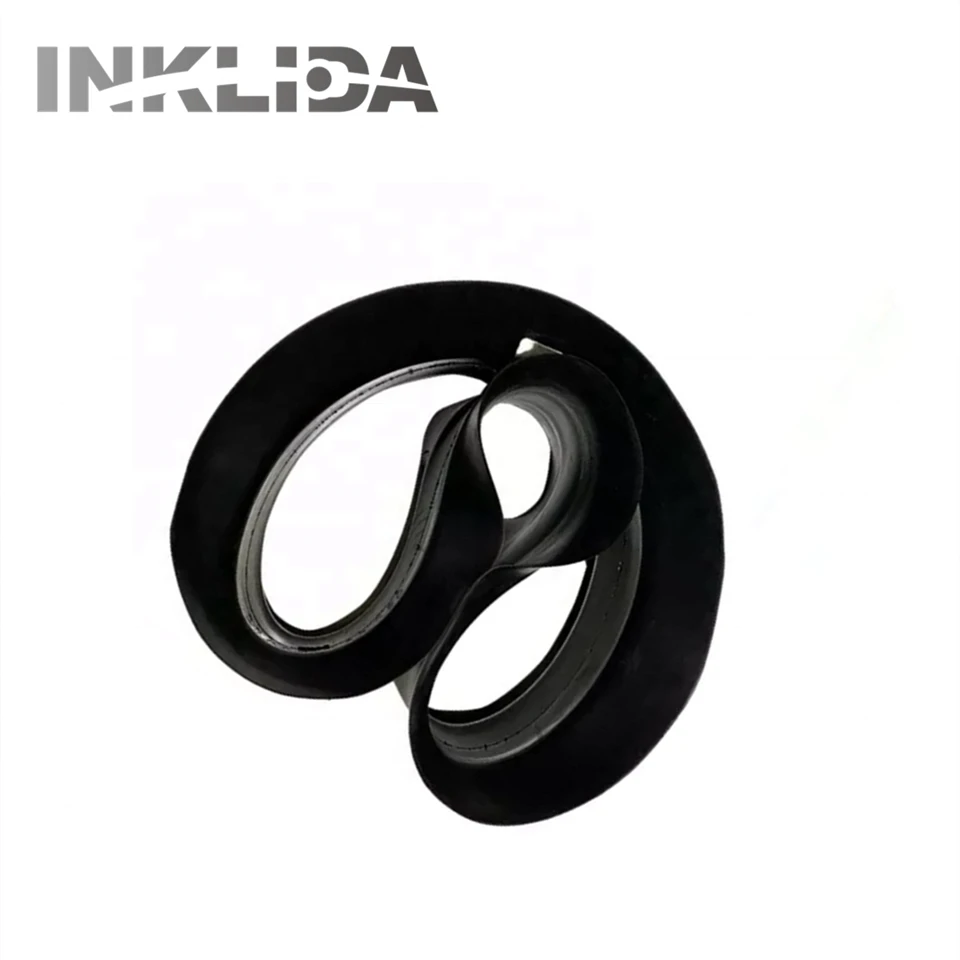
Before we explore the balance issue, it's essential to understand what industrial tire flaps are and their functions. Industrial tire flaps are thin, circular pieces of rubber or other materials that are placed between the tire and the inner tube. They serve several important purposes. Firstly, they protect the inner tube from damage caused by the rim's sharp edges. The rim can have rough surfaces or burrs that may puncture the inner tube during normal operation. The tire flap acts as a buffer, preventing direct contact between the tube and the rim. Secondly, tire flaps help to distribute the pressure evenly across the inner tube, reducing the risk of localized wear and tear. This is particularly important in industrial applications where the tires are subjected to heavy loads and constant movement.
The Concept of Tire Balancing
Tire balancing is a well - known practice in the automotive and industrial vehicle industries. When a tire rotates, any uneven distribution of mass within the tire can cause vibrations. These vibrations can lead to a variety of problems, including premature tire wear, increased fuel consumption, and a less comfortable ride. To balance a tire, weights are added to the rim to counteract the uneven mass distribution. This ensures that the tire rotates smoothly around its axis, minimizing vibrations.
Do Industrial Tire Flaps Need to be Balanced with the Tire?
The answer to this question is not straightforward and depends on several factors.
1. Mass and Uniformity of the Tire Flap
Most industrial tire flaps are designed to be as uniform as possible in terms of mass distribution. High - quality tire flaps are manufactured using precise molding and production processes to ensure that there are no significant variations in weight across the flap. If the tire flap is uniform in mass, it is less likely to cause an imbalance when combined with the tire. However, if there are manufacturing defects or irregularities in the tire flap, such as uneven thickness or the presence of foreign objects, it can potentially lead to an imbalance.
2. Rotational Speed and Load
In industrial applications, the rotational speed of the tires can vary widely. For low - speed applications, such as forklifts in a warehouse environment, the impact of a slightly unbalanced tire flap may be minimal. The lower rotational speed means that the centrifugal forces acting on the tire and flap are relatively small, and the vibrations caused by a minor imbalance may not be noticeable or cause significant problems. On the other hand, for high - speed industrial vehicles, such as some types of industrial trucks, even a small imbalance can have a more pronounced effect. The higher the rotational speed, the greater the centrifugal forces, and the more likely it is that an imbalance will cause vibrations, which can lead to premature tire wear and other issues.
3. Overall Tire and Wheel Assembly
The balance of the entire tire and wheel assembly is a complex interaction between the tire, the rim, the inner tube, and the tire flap. If the tire itself is out of balance, the addition of a tire flap, even if it is perfectly balanced, may not eliminate the vibrations. Conversely, if the tire is well - balanced but the tire flap has a significant imbalance, it can still affect the overall balance of the assembly.
Practical Considerations for Industrial Tire Flap Suppliers
As an industrial tire flap supplier, we take several steps to ensure that our products are of high quality and have minimal impact on tire balance.
1. Quality Control
We implement strict quality control measures during the manufacturing process. This includes regular inspections of the raw materials, monitoring of the molding process to ensure uniform thickness and density, and final quality checks of the finished tire flaps. By ensuring that each tire flap meets our high - quality standards, we minimize the risk of imbalances caused by manufacturing defects.
2. Product Testing
We conduct various tests on our tire flaps to evaluate their performance and balance. This includes dynamic balancing tests, where the tire flap is mounted on a test wheel and rotated at different speeds to measure any vibrations. We also test the tire flaps in combination with different types of tires and rims to ensure compatibility and optimal performance.
Recommendations for Customers
For our customers, here are some recommendations regarding the balance of industrial tire flaps and tires:
1. Regular Inspections
Regularly inspect the tire flaps for any signs of damage, wear, or irregularities. If you notice any bulges, cuts, or unevenness in the tire flap, it should be replaced immediately. A damaged tire flap can not only cause an imbalance but also increase the risk of inner tube damage.
2. Professional Installation
Have the tire flaps installed by a professional. A trained technician can ensure that the tire flap is properly positioned between the tire and the inner tube and that the entire tire and wheel assembly is balanced correctly.
3. Consider the Application
Take into account the specific application of the industrial vehicle. If the vehicle operates at high speeds or carries heavy loads, it is more important to ensure that the tire and tire flap are well - balanced. In low - speed applications, while balance is still important, the requirements may be less stringent.
Our Product Range
We offer a wide range of industrial tire flaps to meet the diverse needs of our customers. Some of our popular products include:
- Industrial Truck Forklift Tyre Flap 900/1000R20: This tire flap is specifically designed for industrial trucks and forklifts. It is made from high - quality rubber materials, providing excellent protection for the inner tube and long - lasting performance.
- Natural Tire Tube Flap 16/70 - 20: Our natural tire tube flap is suitable for a variety of industrial applications. It offers good flexibility and resistance to wear, ensuring a smooth and safe operation.
- Industrial Tyre Flap For Forklift: This product is optimized for forklift use, with a design that takes into account the unique requirements of forklift tires, such as frequent turning and heavy lifting.
Conclusion
In conclusion, while industrial tire flaps do not always need to be balanced with the tire in the same way as a tire itself, they can have an impact on the overall balance of the tire and wheel assembly. As an industrial tire flap supplier, we are committed to providing high - quality products that minimize the risk of imbalances and ensure optimal performance. If you have any questions about our industrial tire flaps or need assistance with balancing your tires, please feel free to contact us for further discussion and potential procurement opportunities.
References
- "Tire and Wheel Technology" by the Rubber Manufacturers Association
- "Industrial Vehicle Maintenance Handbook" by an industry - recognized publisher