

Snow tubing is an exhilarating winter activity that has gained immense popularity in recent years. It offers a thrilling experience for people of all ages, allowing them to glide down snow - covered slopes with the wind in their hair. As a snow tubes supplier, I often get asked a variety of questions about our products, and one that comes up frequently is, "Do snow tubes have brakes?" In this blog post, I'll delve into this topic, exploring the design of snow tubes, the reasons behind the presence or absence of brakes, and the safety aspects associated with them.
The Design of Snow Tubes
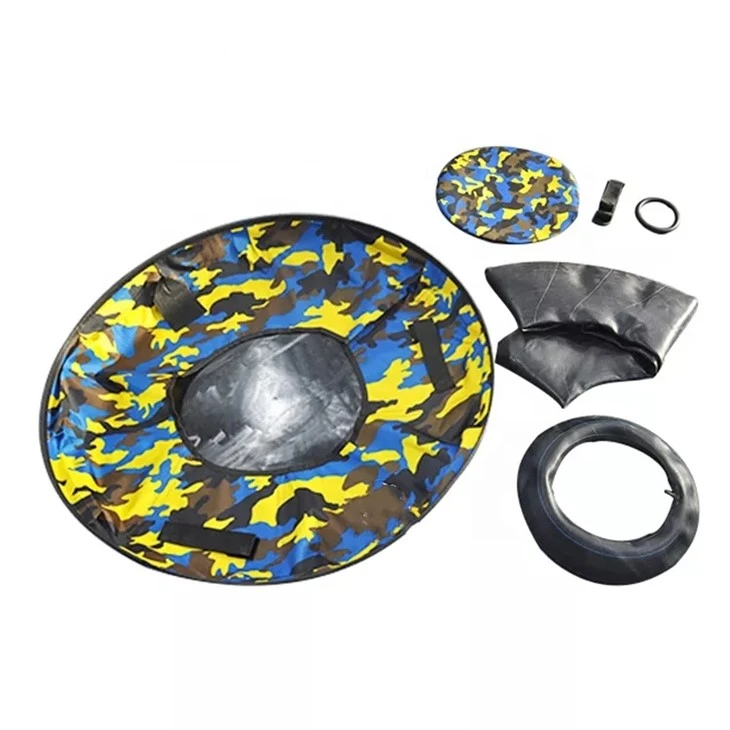
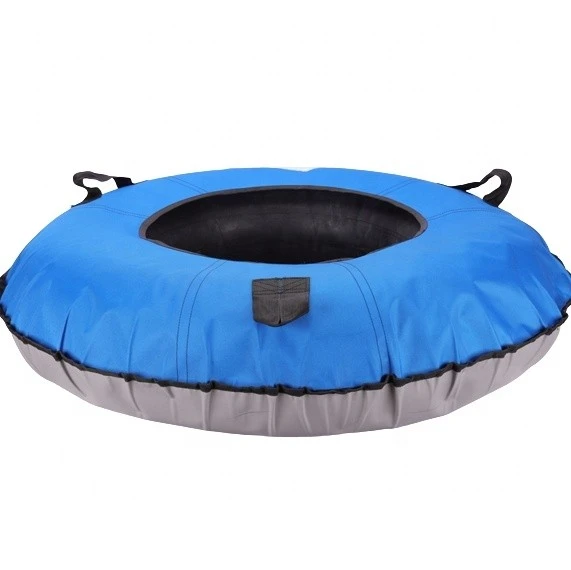
Snow tubes come in various shapes, sizes, and materials. Our product range includes Duble Snow Tube 70cm, 100cm Snow Tube, and PVC Inflatable Snow Tube Cover 100cm. These tubes are typically made from durable materials such as PVC or rubber, which are designed to withstand the rigors of sliding down snow - covered slopes.
The basic design of a snow tube is relatively simple. It is a large, inflatable circular tube that a person can sit or lie in. The smooth surface of the tube allows it to glide easily over the snow, and the shape provides stability and a certain degree of control. However, unlike some winter sports equipment like skis or snowboards, snow tubes generally do not come with built - in brakes.
Reasons for the Absence of Brakes
There are several reasons why most snow tubes do not have brakes. Firstly, simplicity is a key factor. The design of snow tubes aims to provide a straightforward and accessible winter activity. Adding brakes would complicate the design, increase the cost of production, and potentially make the tubes more difficult to use for the average person.
Secondly, from a manufacturing perspective, incorporating brakes would require additional components and engineering. This would not only add to the production cost but also increase the weight of the tubes, which could affect their performance on the snow. Snow tubes are designed to be lightweight and easy to carry up the slope, and adding brakes could compromise this aspect.
Another reason is the nature of the activity itself. Snow tubing is often done in a controlled environment, such as a designated snow tubing park. These parks usually have safety measures in place, such as barriers and run - out areas, to ensure the safety of the participants. The operators of these parks also have procedures to manage the flow of tubers and prevent collisions.
Safety Considerations without Brakes
Although snow tubes do not have brakes, safety is still a top priority. At our company, we ensure that our snow tubes are made from high - quality materials that meet or exceed industry safety standards. The inflatable design provides a certain level of cushioning, which can help absorb shocks in case of a collision.
In snow tubing parks, there are several safety features and practices to compensate for the lack of brakes. For example, most parks have trained staff who monitor the slopes and ensure that tubers maintain a safe distance from each other. They also provide instructions on how to use the tubes safely, such as sitting upright and not standing up while on the tube.
The design of the slopes in snow tubing parks is also important. The slopes are usually designed with a gentle gradient at the bottom to allow the tubes to slow down naturally. Additionally, many parks have run - out areas at the end of the slopes, which are flat or slightly uphill sections that help the tubes come to a stop.
Alternative Ways to Control Speed
While snow tubes do not have brakes, there are some alternative ways to control speed. One way is to use body positioning. By shifting your weight forward or backward, you can affect the tube's balance and speed. Leaning forward can make the tube go faster, while leaning backward can slow it down slightly.
Another method is to use your feet. If the snow conditions allow, you can drag your feet in the snow to create friction and slow down the tube. However, this method is not always practical, especially on steeper slopes or in areas with hard - packed snow.
When Brakes Might Be Desirable
There are some situations where having brakes on snow tubes could be beneficial. For example, in more extreme or off - piste snow tubing situations, where there are no park operators to manage the flow of tubers, brakes could provide an extra level of safety. In areas with variable terrain or in situations where there is a higher risk of collisions, brakes could give the user more control over their speed and direction.
Some custom - made or high - end snow tubes may have experimental brake systems. These brakes could be similar to the ones used on small wheeled vehicles, such as a hand - operated lever that activates a friction pad against the tube's surface. However, these types of tubes are not yet widely available on the market.
Our Commitment as a Supplier
As a snow tubes supplier, we are constantly looking for ways to improve the safety and performance of our products. While we currently do not offer snow tubes with brakes, we are aware of the potential benefits and are open to exploring new designs and technologies in the future.
We understand that safety is of utmost importance to our customers, and we will continue to work with industry experts and follow the latest safety guidelines to ensure that our snow tubes are as safe as possible. Our goal is to provide high - quality snow tubes that offer an exciting and safe winter experience for everyone.
Conclusion
In conclusion, most snow tubes do not have brakes due to design simplicity, manufacturing considerations, and the nature of the activity. However, safety is still well - managed through the use of high - quality materials, safety features in snow tubing parks, and alternative ways to control speed.
If you are interested in purchasing our snow tubes, whether it's the Duble Snow Tube 70cm, 100cm Snow Tube, or PVC Inflatable Snow Tube Cover 100cm, we welcome you to contact us for more information and to discuss your specific requirements. We are always ready to assist you in finding the perfect snow tubes for your winter fun.
References
- Snow Sports Industries America. (2023). Safety Guidelines for Snow Tubing.
- International Snow Tubing Association. (2023). Best Practices for Snow Tubing Parks.