

When it comes to ensuring the safety and efficiency of truck operations, the quality of inner tubes for truck tires plays a pivotal role. As a seasoned supplier of inner tubes for truck tires, I've witnessed firsthand the significant impact that high - quality inner tubes can have on the overall performance of trucks. In this blog, I'll delve into the key characteristics that define a high - quality inner tube for a truck tire.
Material Quality
The foundation of a high - quality inner tube lies in the material from which it is made. The most commonly used material for truck tire inner tubes is natural rubber, which offers several advantages. Natural rubber has excellent elasticity, allowing the inner tube to expand and contract with the changing air pressure inside the tire. This elasticity is crucial as trucks often carry heavy loads, and the inner tube needs to withstand the stress without rupturing.
Another important aspect of the material is its impermeability to air. A good inner tube should have low air permeability to maintain proper tire pressure over an extended period. If an inner tube leaks air quickly, it can lead to under - inflated tires, which in turn increases fuel consumption, reduces tire lifespan, and poses a safety risk. High - quality inner tubes are often treated with special compounds to enhance their air - retaining properties.
Some advanced inner tubes also incorporate synthetic rubbers or blends of natural and synthetic rubbers. Synthetic rubbers, such as butyl rubber, have even lower air permeability than natural rubber and offer better resistance to heat and chemicals. This makes them suitable for trucks operating in harsh environments, such as those used in long - haul transportation or in areas with extreme temperatures. For example, trucks that frequently travel through deserts or mountainous regions can benefit from inner tubes made with a high proportion of synthetic rubber. You can explore our range of Lorry Tyre Inner Tubes which are crafted with high - quality rubber materials.
Construction and Design
The construction of a truck tire inner tube is equally important as the material. A well - constructed inner tube should have a uniform thickness throughout. Any irregularities in thickness can lead to weak spots, which are more prone to punctures and blowouts. Manufacturers use advanced manufacturing techniques to ensure that the inner tubes have consistent thickness, such as precision extrusion and molding processes.
The valve is another critical component of the inner tube. A high - quality valve should be durable and air - tight. It should be able to withstand repeated inflation and deflation without leaking. There are different types of valves available, such as straight valves and angled valves, depending on the application. Straight valves are commonly used in most trucks, while angled valves may be preferred in some cases where space is limited or for specific tire configurations.
The design of the inner tube also takes into account the shape and size of the truck tire. Inner tubes are designed to fit snugly inside the tire, providing a proper seal and ensuring that the air pressure is evenly distributed. This helps to prevent the inner tube from slipping or bunching up inside the tire, which can cause uneven wear and potential damage. Our Semi Truck Inner Tubes 900 - 20 are designed with precision to fit semi - truck tires perfectly, ensuring optimal performance.
Resistance to Wear and Tear
Truck tires are constantly exposed to various road conditions, including rough roads, sharp objects, and debris. A high - quality inner tube should be able to resist wear and tear caused by these factors. Inner tubes are often reinforced with additional layers of fabric or other materials to enhance their strength and durability.

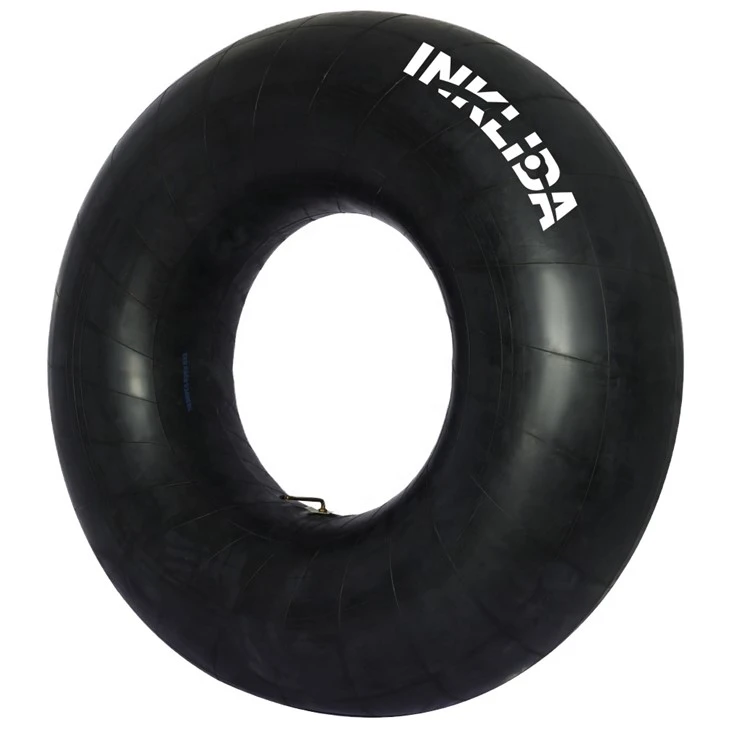
For example, some inner tubes have a nylon or polyester cord reinforcement. These cords add extra strength to the inner tube, making it more resistant to punctures from nails, glass, or other sharp objects on the road. The reinforcement also helps to distribute the stress evenly across the inner tube, reducing the risk of damage from impact or abrasion.
In addition to puncture resistance, a good inner tube should also be resistant to ozone and UV radiation. Ozone and UV rays can cause the rubber to deteriorate over time, leading to cracking and weakening of the inner tube. High - quality inner tubes are treated with anti - ozone and anti - UV agents to protect them from these environmental factors. This is especially important for trucks that are parked outdoors for long periods or operate in areas with high levels of sunlight and pollution. Our 15 Inch Truck Tube is designed to withstand the rigors of daily use and provide long - lasting performance.
Temperature Resistance
Truck tires generate a significant amount of heat during operation, especially when carrying heavy loads or traveling at high speeds. A high - quality inner tube should be able to withstand these high temperatures without losing its properties. Inner tubes made from natural rubber can generally withstand temperatures up to a certain limit, but for more extreme conditions, inner tubes with better temperature resistance are required.
As mentioned earlier, synthetic rubbers like butyl rubber have better heat resistance than natural rubber. They can maintain their elasticity and air - retaining properties at higher temperatures, making them ideal for trucks that operate in hot climates or under heavy - duty conditions. Additionally, some inner tubes are designed with special heat - dissipating features, such as cooling fins or channels, to help reduce the temperature inside the tire.
On the other hand, trucks also operate in cold weather conditions. A good inner tube should remain flexible in cold temperatures to prevent cracking. Inner tubes made with the right blend of rubbers can maintain their flexibility even in freezing temperatures, ensuring that the tire remains in good condition throughout the year.
Compatibility
A high - quality inner tube must be compatible with the truck tire it is intended for. This includes factors such as size, shape, and valve type. Using an incompatible inner tube can lead to improper fit, which can cause a variety of problems, including air leakage, uneven wear, and even tire failure.
When selecting an inner tube, it is essential to choose the correct size based on the tire's specifications. Inner tubes are available in a wide range of sizes to fit different truck tire models. It is also important to ensure that the valve type of the inner tube matches the valve stem on the tire. Incorrect valve types can prevent proper inflation and deflation of the tire, leading to safety issues.
Conclusion
In conclusion, a high - quality inner tube for a truck tire is characterized by its material quality, construction and design, resistance to wear and tear, temperature resistance, and compatibility. As a supplier of inner tubes for truck tires, we understand the importance of these characteristics and strive to provide our customers with the best - quality products.
If you are in the market for high - quality truck tire inner tubes, we invite you to contact us for more information. Our team of experts can help you select the right inner tube for your specific needs and ensure that you get the best performance and value for your money. Whether you are a fleet owner, a truck driver, or a tire retailer, we are here to assist you with all your inner tube requirements.
References
- Tire Industry Association (TIA). "Tire Maintenance and Safety Guidelines."
- Rubber Manufacturers Association (RMA). "Technical Information on Rubber Products for Tires."