

As a supplier of inner tubes for truck tires, I've seen firsthand the challenges that truckers face when it comes to protecting their inner tubes from sharp objects on the road. Sharp debris such as nails, glass shards, and metal fragments can easily puncture the inner tube, leading to flats and costly downtime. In this blog post, I'll share some practical tips on how to safeguard your truck's inner tube from these road hazards.
1. Choose the Right Inner Tube
The first step in protecting your inner tube is to select the appropriate one for your truck. Our company offers a wide range of high - quality inner tubes, including the 12.00 - 20 Truck Inner Tube, Truck Inner Tube for Floating, and Heavy Duty Truck Tire Inner Tube.
Heavy - duty inner tubes are designed with thicker walls, which provide better resistance against punctures. They are made from high - quality rubber compounds that are more durable and less likely to be damaged by sharp objects. When choosing an inner tube, consider the load capacity of your truck, the type of roads you usually drive on, and the frequency of long - haul trips.
2. Regularly Inspect Your Tires and Inner Tubes
Frequent inspections are crucial for early detection of potential problems. Before each trip, visually inspect the outer surface of your tires for any signs of cuts, bulges, or embedded objects. If you notice any sharp objects sticking out of the tire, do not attempt to remove them on the spot, as this may cause the inner tube to deflate suddenly.
Periodically, remove the tire from the wheel to inspect the inner tube more thoroughly. Look for any signs of wear, such as thin spots or small holes. Check the valve stem for leaks and ensure it is securely attached. If you find any damage, replace the inner tube immediately to prevent a flat tire on the road.
3. Maintain Proper Tire Pressure
Proper tire pressure is not only important for fuel efficiency and tire longevity but also for protecting the inner tube. Under - inflated tires are more susceptible to punctures because the sidewalls flex more, making them easier to penetrate by sharp objects. Over - inflated tires, on the other hand, can cause the inner tube to stretch and become more vulnerable to damage.
Use a reliable tire pressure gauge to check the pressure regularly, at least once a week or before long trips. Refer to your truck's owner's manual or the tire manufacturer's recommendations for the correct tire pressure. Make sure to check the pressure when the tires are cold, as the pressure increases when the tires heat up during driving.
4. Use Tire Liners
Tire liners are an additional layer of protection that can be placed between the tire and the inner tube. They are typically made of a tough, puncture - resistant material such as Kevlar or heavy - duty fabric. Tire liners act as a barrier, absorbing the impact of sharp objects and preventing them from reaching the inner tube.
Installing a tire liner is a relatively simple process. First, deflate the tire completely and remove it from the wheel. Place the liner inside the tire, making sure it lies flat and covers the entire inner surface. Then, reinstall the tire and inner tube, and inflate the tire to the proper pressure. Tire liners can significantly reduce the risk of punctures, especially when driving on roads with a lot of debris.
5. Avoid Hazardous Road Conditions
Whenever possible, try to avoid roads that are known to have a high concentration of sharp objects. Construction sites, unpaved roads, and areas with a lot of traffic accidents are more likely to have nails, glass, and other debris on the surface. If you have to drive on these roads, slow down and be extra vigilant.
Keep a safe distance from other vehicles, especially trucks and construction vehicles that may be carrying loose materials. Avoid driving in the tire tracks of other vehicles, as these areas are more likely to have debris. By being proactive and avoiding hazardous road conditions, you can greatly reduce the risk of puncturing your inner tube.
6. Carry a Spare Inner Tube and Repair Kit
Even with all the precautions in place, there is still a possibility of getting a flat tire due to a puncture. That's why it's essential to carry a spare inner tube and a repair kit in your truck. Make sure the spare inner tube is the correct size and type for your tires.
A basic repair kit should include a patch kit, a tire iron, a valve core remover, and a tire pressure gauge. In case of a puncture, you can quickly replace the damaged inner tube with the spare one or use the patch kit to repair the hole temporarily. Knowing how to change a tire and repair an inner tube can save you a lot of time and money on the road.
7. Educate Your Drivers
If you manage a fleet of trucks, it's important to educate your drivers about the importance of protecting the inner tubes. Provide them with training on tire maintenance, inspection procedures, and how to handle flat tires. Encourage them to report any signs of tire damage or potential hazards immediately.
By promoting a culture of tire safety among your drivers, you can reduce the number of flat tires and improve the overall efficiency of your fleet. Regularly remind your drivers to follow the best practices for protecting the inner tubes, such as maintaining proper tire pressure and avoiding hazardous road conditions.
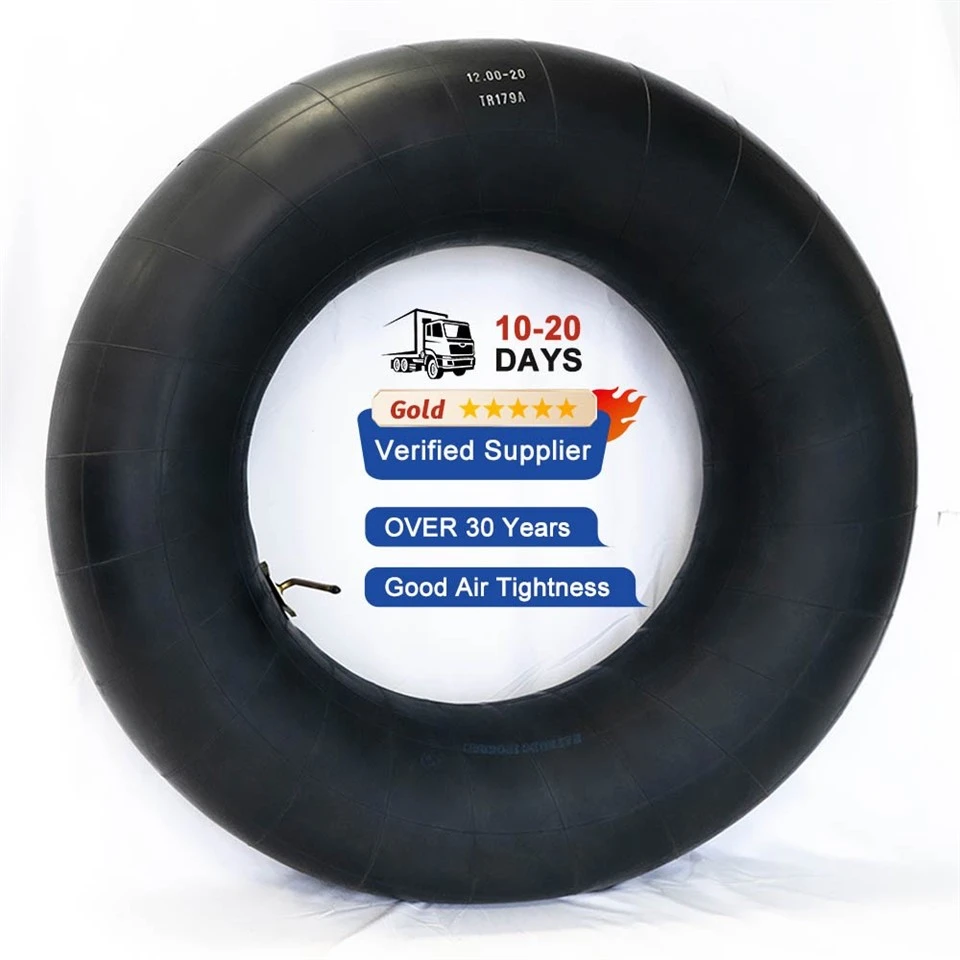
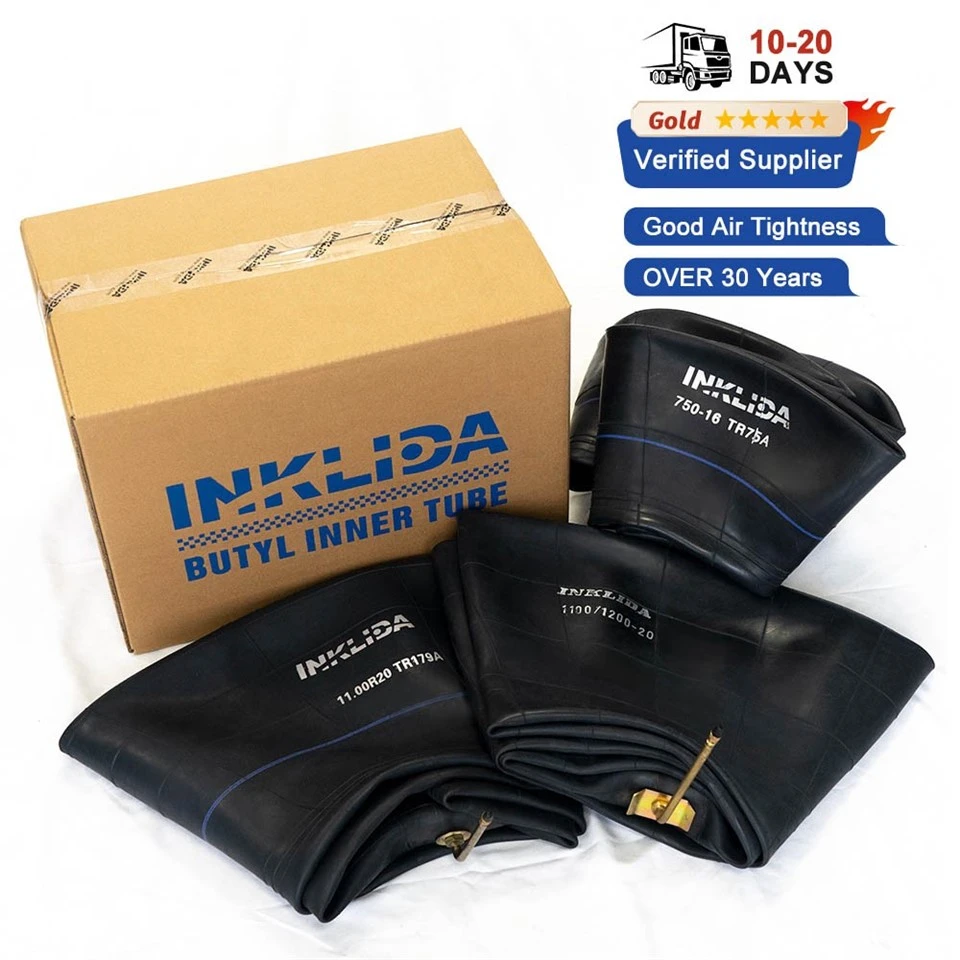
In conclusion, protecting the inner tube of a truck tire from sharp objects on the road requires a combination of proper selection, regular maintenance, and proactive driving habits. As a trusted supplier of inner tubes for truck tires, we are committed to providing you with the highest - quality products and the best advice to keep your trucks on the road safely.
If you are interested in purchasing our inner tubes or have any questions about tire protection, please feel free to contact us for more information and to start a procurement discussion. We look forward to serving you and helping you keep your truck fleet running smoothly.
References
- Tire Industry Association. (Year). Tire Maintenance and Safety Guide.
- Truck Manufacturer's Owner's Manuals.