

When it comes to the world of motorcycles, the tires are one of the most critical components, especially when considering the different demands of road racing and motocross. As a motorcycle tire supplier, I've witnessed firsthand the unique characteristics and requirements of tires designed for these two distinct racing disciplines. In this blog, I'll delve into the key differences between motorcycle tires for road racing and motocross, helping you understand why the right tire choice is crucial for optimal performance.
Tread Pattern
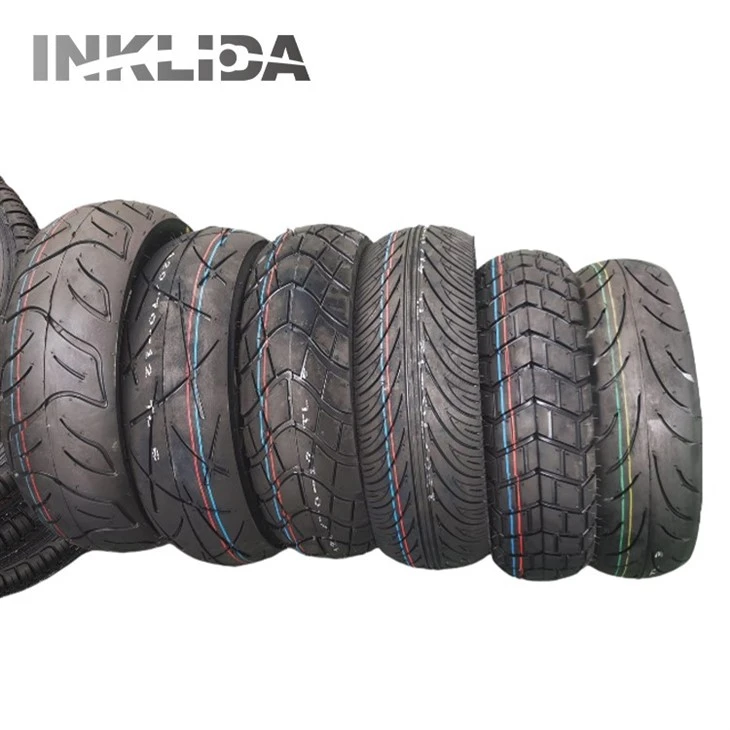
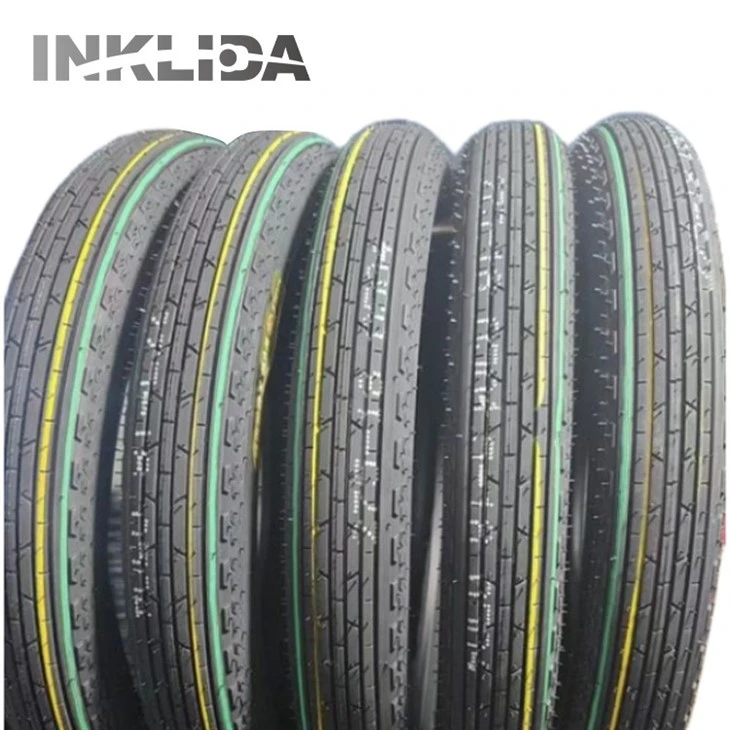
One of the most noticeable differences between road racing and motocross tires lies in their tread patterns. Road racing tires are designed to provide maximum grip on smooth, paved surfaces. The tread pattern on these tires is typically very shallow and often features a continuous center strip with minimal grooves. This design maximizes the contact patch between the tire and the road, allowing for better traction during high - speed cornering, acceleration, and braking.
For example, a Street Motor Tire is engineered with a tread pattern that is optimized for asphalt. The smooth center section helps maintain stability at high speeds, while the slightly more pronounced outer treads provide additional grip when leaning into corners.
On the other hand, motocross tires have a much more aggressive tread pattern. These tires are designed to tackle rough, uneven, and often muddy terrains. The deep, widely spaced lugs on motocross tires dig into the ground, providing traction on loose soil, sand, and mud. The lugs are shaped and angled in a way that allows the tire to grip the surface as the motorcycle moves forward, backward, or sideways. Whether it's climbing steep hills or navigating through ruts, the aggressive tread of motocross tires is essential for maintaining control.
Rubber Compound
The rubber compound used in motorcycle tires also varies significantly between road racing and motocross applications. Road racing tires require a soft rubber compound to provide excellent grip on smooth surfaces. The soft rubber conforms to the road surface, increasing the contact area and enhancing traction. However, soft rubber compounds wear out more quickly, which is acceptable in road racing where tires are often replaced after a few races or track days.
In contrast, motocross tires need a harder rubber compound. The harsh and abrasive nature of off - road terrains would quickly wear down a soft - compound tire. A harder rubber compound can withstand the rough treatment of rocks, roots, and sharp objects commonly found on motocross tracks. While a harder compound may sacrifice some grip compared to a soft one on smooth surfaces, it offers the durability needed to last through an entire motocross race or practice session.
Construction
The construction of road racing and motocross tires is tailored to their specific uses. Road racing tires are typically built with a bias - belted or radial construction. Radial tires are more commonly used in modern road racing due to their superior handling characteristics. The radial construction allows the tire to flex more evenly, providing a larger and more consistent contact patch. This results in better traction, especially during high - speed cornering.
Bias - belted tires, while less common in high - level road racing, still have their advantages. They are more flexible side - to - side, which can provide a more predictable feel for some riders. They are also generally more affordable, making them a popular choice for amateur road racers or those on a budget.
Motocross tires, on the other hand, often use a bias - ply construction. This construction provides a strong and flexible sidewall, which is important for absorbing the shocks and impacts encountered on off - road tracks. The bias - ply construction also allows the tire to deform slightly when it hits an obstacle, helping to maintain traction and control.
Size and Profile
Size and profile are also important factors that differentiate road racing and motocross tires. Road racing tires come in a wide range of sizes, but they are generally designed to fit the specific requirements of high - performance sportbikes. These tires often have a low profile, which means the sidewall is relatively short compared to the width of the tire. A low - profile tire reduces the amount of sidewall flex, improving handling and responsiveness at high speeds.
For instance, a 90/90 - 18 Motorcycle Tire is a common size used in some road - going motorcycles. The numbers represent the width, aspect ratio, and rim diameter of the tire, respectively.
Motocross tires have a different size and profile. They are typically taller and have a more substantial sidewall compared to road racing tires. The taller sidewall provides additional cushioning and shock absorption on rough terrain. Motocross tires also come in a variety of sizes to accommodate different types of motorcycles and track conditions.
Performance Requirements
The performance requirements for road racing and motocross tires are worlds apart. In road racing, the focus is on high - speed stability, precise handling, and maximum grip on smooth surfaces. Riders need tires that can provide consistent performance lap after lap, especially during long races. The ability to maintain traction during hard braking and aggressive cornering is crucial for achieving fast lap times.
In motocross, the emphasis is on traction in various off - road conditions, shock absorption, and durability. Motocross riders need tires that can handle jumps, landings, and sudden changes in terrain without losing control. The ability to climb steep hills, navigate through mud, and power out of corners is essential for success in motocross racing.
Choosing the Right Tire
As a motorcycle tire supplier, I understand that choosing the right tire is not always easy. For road racers, it's important to consider the type of track you'll be racing on, your riding style, and your budget. If you're a professional road racer, you may want to invest in high - end radial tires with a soft rubber compound. If you're an amateur or just starting out, a more affordable bias - belted tire may be a better option.
For motocross riders, the track conditions should be your primary consideration. If you're racing on a hard - packed track, a tire with a less aggressive tread pattern may be sufficient. However, if the track is muddy or has a lot of loose soil, you'll need a tire with a more aggressive tread and a durable rubber compound.
Conclusion
In conclusion, the differences between motorcycle tires for road racing and motocross are significant and are a result of the unique demands of each discipline. Whether you're a road racer looking for maximum grip on the asphalt or a motocross rider seeking traction on rough terrain, choosing the right tire is essential for optimal performance and safety.
As a motorcycle tire supplier, I'm committed to providing high - quality tires that meet the specific needs of both road racers and motocross enthusiasts. If you're in the market for new motorcycle tires, whether it's a Street Motor Tire, a 90/90 - 18 Motorcycle Tire, or a Classic Motorcycle Tire, I encourage you to reach out to discuss your requirements. Let's work together to find the perfect tire for your motorcycle and your racing needs.
References
- Motorcycle Tire Technology Handbook, various authors
- Motocross and Road Racing Magazines, multiple issues
- Industry reports on motorcycle tire manufacturing and performance