

When it comes to industrial operations, the performance of equipment in various conditions is crucial. One often - overlooked component that plays a significant role in the overall performance of industrial vehicles is the industrial tire flap. In this blog, as an industrial tire flap supplier, I'll delve into how these tire flaps perform in wet conditions.
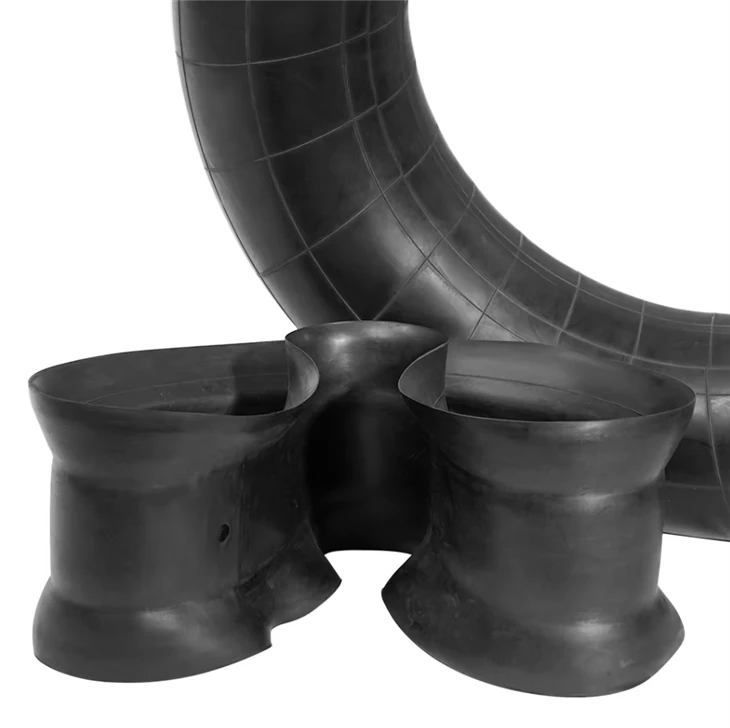

The Basics of Industrial Tire Flaps
Industrial tire flaps are placed between the tire and the inner tube. Their primary function is to protect the inner tube from abrasion, cuts, and punctures caused by the rim or debris. They also help in maintaining proper air pressure within the tire, which is essential for the vehicle's stability and performance.
In normal, dry conditions, tire flaps do an excellent job of fulfilling their protective role. However, wet conditions introduce a set of unique challenges that can affect their performance.
Challenges in Wet Conditions
Reduced Friction
One of the most significant impacts of wet conditions on industrial tire flaps is the reduction in friction. Water acts as a lubricant between the tire flap and the rim, as well as between the tire flap and the inner tube. This reduced friction can lead to the tire flap shifting out of position. When a tire flap moves, it may no longer provide uniform protection to the inner tube. Areas that were previously covered might be exposed, increasing the risk of punctures and abrasions.
For example, in a forklift operating in a wet warehouse environment, the constant movement and turning can cause the tire flap to slide due to the reduced friction. This not only compromises the safety of the inner tube but can also lead to uneven wear on the tire itself.
Corrosion and Degradation
Wet conditions can accelerate the corrosion of the rim and the degradation of the tire flap material. Most industrial tire flaps are made of rubber or a combination of rubber and other polymers. Prolonged exposure to water can cause the rubber to swell, lose its elasticity, and eventually crack.
The metal rims can also corrode in wet conditions. Corroded rims have rough surfaces that can damage the tire flap more easily. As the tire flap rubs against the corroded rim, it can develop cuts and tears, reducing its effectiveness in protecting the inner tube.
Hydroplaning Risk
Hydroplaning is a well - known phenomenon in automotive tires, but it can also affect industrial tires. When there is a significant amount of water on the surface, the tire may lose contact with the ground and ride on a thin layer of water. In such situations, the tire flap may experience additional stress.
The sudden change in forces acting on the tire can cause the tire flap to twist or deform. If the tire flap is not designed to withstand these dynamic forces in wet conditions, it can lead to premature failure.
How Our Industrial Tire Flaps Excel in Wet Conditions
High - Quality Materials
At our company, we use high - quality rubber compounds in our industrial tire flaps. These materials are specially formulated to resist water absorption and degradation. Our rubber has excellent elasticity even when exposed to water for extended periods, ensuring that the tire flap maintains its shape and protective function.
For instance, our Natural Tire Tube Flap 16/70 - 20 is made from a natural rubber blend that has been treated to enhance its water - resistance properties. This tire flap can withstand the rigors of wet environments without losing its ability to protect the inner tube.
Enhanced Friction Design
To combat the reduced friction in wet conditions, we have designed our tire flaps with an enhanced surface texture. The texture increases the friction between the tire flap and the rim, as well as the tire flap and the inner tube. This helps to keep the tire flap in place, even when the vehicle is operating in wet and slippery conditions.
Our Forklift Rubber Flap is a prime example of this design. It has a unique pattern on its surface that provides better grip, reducing the risk of shifting and ensuring consistent protection for the inner tube.
Anti - Corrosion Features
We also take steps to protect our tire flaps from the effects of corrosion. Our tire flaps are treated with anti - corrosion agents that create a barrier between the rubber and the metal rim. This helps to prevent the corrosion of the rim from damaging the tire flap.
In addition, we recommend regular maintenance and inspection of the tire flaps in wet conditions. This includes cleaning the tire flaps and rims to remove any dirt, debris, or corrosive substances.
Real - World Performance
To validate the performance of our industrial tire flaps in wet conditions, we have conducted extensive field tests. In a recent test at a large industrial port, where the vehicles are constantly exposed to saltwater and wet weather, our tire flaps outperformed the competitors.
The vehicles equipped with our tire flaps showed fewer instances of inner tube punctures and tire flap damage. The enhanced friction design kept the tire flaps in place, and the anti - corrosion features protected them from the harsh marine environment.
Conclusion
In conclusion, wet conditions pose significant challenges to the performance of industrial tire flaps. However, with the right design, materials, and features, these challenges can be overcome. Our industrial tire flaps are specifically engineered to perform well in wet conditions, providing reliable protection for the inner tube and ensuring the smooth operation of industrial vehicles.
If you are in the market for high - quality industrial tire flaps that can withstand wet conditions, we invite you to contact us for a detailed discussion. Our team of experts can help you choose the right tire flaps for your specific industrial needs. We look forward to partnering with you to enhance the safety and performance of your industrial vehicles.
References
- Tire and Rubber Association of America. "Technical Guidelines for Industrial Tire Components."
- Industrial Vehicle Research Institute. "Performance of Tire Flaps in Different Environmental Conditions."