

Off the road (OTR) tires are specifically designed to handle the toughest terrains and most challenging conditions. However, when it comes to icy surfaces, their performance can vary significantly. As an OTR tire supplier, I've had the opportunity to closely observe and analyze how different types of OTR tires perform on ice. In this blog, I'll share insights into the factors that affect their performance and highlight some of our top products suitable for such conditions.
Factors Affecting OTR Tire Performance on Icy Surfaces
Tread Design
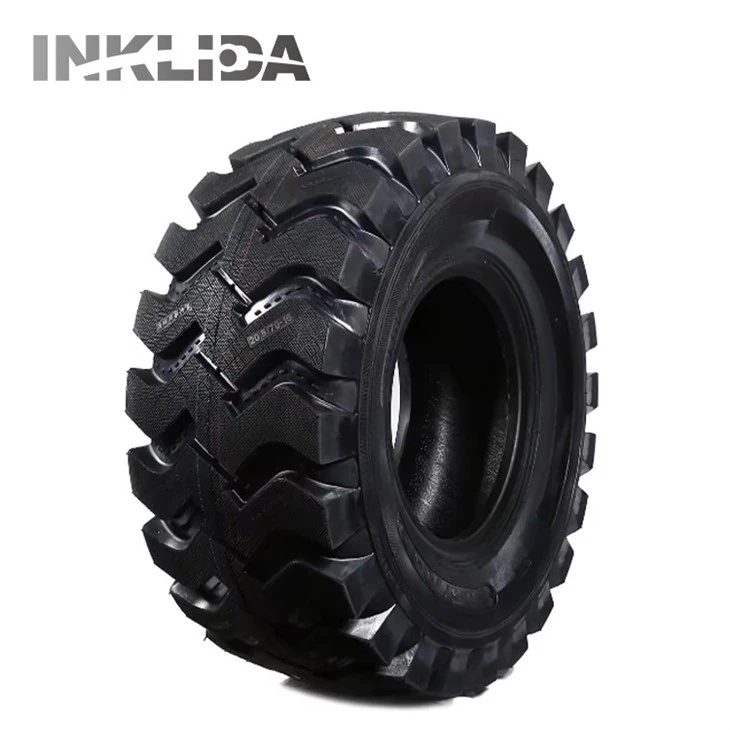
The tread pattern of an OTR tire plays a crucial role in its performance on ice. A deep and aggressive tread pattern can provide better traction by biting into the ice and snow. Tires with wide grooves and sipes (small cuts in the tread blocks) can help channel water and slush away from the contact patch, reducing the risk of hydroplaning and improving grip. For example, our Span Carries Tire L3 features a unique tread design that is optimized for both off - road and slippery conditions. The deep grooves and well - spaced tread blocks allow for effective snow and ice evacuation, enhancing traction on icy surfaces.
Rubber Compound
The type of rubber compound used in the tire construction also impacts its performance on ice. Soft rubber compounds tend to remain flexible in cold temperatures, providing better contact with the road surface. This increased contact area translates into improved grip. Our research and development team has formulated special rubber compounds for our OTR tires that are designed to maintain their elasticity even in freezing conditions. The rubber compound in our Loader and Dozer Tire L5 is engineered to provide excellent traction on ice while also offering high wear resistance, ensuring a long service life.
Tire Pressure
Maintaining the correct tire pressure is essential for optimal performance on icy surfaces. Under - inflated tires can increase the risk of slipping as they have a larger contact area, which can lead to more snow and ice being packed between the tread blocks. Over - inflated tires, on the other hand, reduce the contact area with the road, resulting in less traction. We recommend that users regularly check and adjust the tire pressure according to the manufacturer's specifications. This simple step can significantly improve the handling and safety of vehicles equipped with our OTR tires on icy roads.
Performance Testing on Icy Surfaces
To accurately assess the performance of our OTR tires on icy surfaces, we conduct a series of rigorous tests. These tests are carried out in controlled environments, such as ice rinks and snow - covered test tracks, as well as in real - world winter conditions.
In our laboratory tests, we measure factors such as braking distance, acceleration, and cornering stability. We use specialized equipment to simulate different driving scenarios and record the tire's performance under various loads and speeds. For example, when testing the Mining OTR TIRES E3 L3, we found that it demonstrated excellent braking performance on ice. The tire's tread design and rubber compound worked together to provide reliable stopping power, reducing the risk of accidents in slippery conditions.
In real - world tests, we collaborate with mining companies, construction firms, and other industries that operate vehicles in winter environments. Our field engineers collect data on the tires' performance over extended periods, taking into account factors such as temperature variations, road conditions, and vehicle usage. This feedback helps us continuously improve our tire designs and ensure that they meet the highest standards of performance and safety.

Case Studies: Real - World Applications
Let's take a look at some real - world examples of how our OTR tires have performed on icy surfaces.
Mining Operations
In a large mining operation in a cold climate region, trucks equipped with our Mining OTR TIRES E3 L3 were used to transport heavy loads of ore. The mine site often experienced icy and snowy conditions, which presented significant challenges for vehicle safety and productivity. After switching to our tires, the mining company reported a noticeable improvement in traction and handling. The trucks were able to operate more efficiently, with fewer instances of slipping and getting stuck. This led to increased productivity and reduced downtime, resulting in substantial cost savings for the company.
Construction Sites
On a construction site in a northern area, construction equipment such as loaders and dozers were fitted with our Loader and Dozer Tire L5. The site was located in an area with frequent snowfall and icy roads. The tires' excellent traction on ice allowed the equipment to operate safely and effectively, even in the most challenging winter conditions. The construction crew was able to complete their projects on time, thanks to the reliable performance of our OTR tires.
Tips for Using OTR Tires on Icy Surfaces
If you're using our OTR tires on icy surfaces, here are some tips to ensure optimal performance:
- Reduce Speed: Driving at a lower speed gives you more time to react to changing road conditions and reduces the risk of skidding.
- Increase Following Distance: Maintain a greater distance between your vehicle and the one in front of you to allow for longer braking distances on ice.
- Avoid Sudden Movements: Sudden acceleration, braking, or turning can cause the tires to lose traction. Make smooth and gradual movements when operating your vehicle.
- Use Chains or Studs (if applicable): In extremely icy conditions, using tire chains or studs can further enhance traction. However, make sure to check local regulations before using them.
Conclusion
As an OTR tire supplier, we understand the importance of providing tires that perform well in all conditions, including icy surfaces. Our Span Carries Tire L3, Loader and Dozer Tire L5, and Mining OTR TIRES E3 L3 are designed with advanced tread patterns, high - quality rubber compounds, and optimal tire pressures to ensure excellent traction and safety on ice.
If you're looking for reliable OTR tires that can handle the challenges of icy surfaces, we invite you to contact us for more information. Our team of experts is ready to assist you in selecting the right tires for your specific needs and applications. Whether you're in the mining, construction, or any other industry that requires off - road vehicles, we have the solutions to keep your operations running smoothly, even in the harshest winter conditions.
References
- ASTM International. "Standard Test Methods for Measuring Pavement Friction Characteristics." ASTM E274 - 17.
- SAE International. "Tire Performance Standards for Winter Conditions." SAE J326.
- Tire Industry Association. "Best Practices for Tire Use in Cold and Icy Conditions."