

Maintaining the correct inflation pressure in motorcycle tires is crucial for ensuring safety, performance, and longevity. As a reputable motorcycle tire supplier, we understand the importance of providing accurate information to our customers. In this blog post, we will delve into the factors that determine the recommended inflation pressure for motorcycle tires and provide some general guidelines to help you keep your tires in optimal condition.
Why is Correct Tire Pressure Important?
Before we discuss the recommended inflation pressure, let's first understand why it is so important. Properly inflated tires offer several benefits, including:
- Safety: Adequate tire pressure ensures optimal contact between the tire and the road surface, providing better traction, handling, and braking performance. Underinflated tires can lead to increased stopping distances, reduced stability, and a higher risk of accidents.
- Fuel Efficiency: When tires are underinflated, they create more rolling resistance, which means your motorcycle has to work harder to move forward. This results in decreased fuel efficiency and increased fuel consumption. By maintaining the correct tire pressure, you can save money on fuel costs in the long run.
- Tire Longevity: Overinflated or underinflated tires can cause uneven wear patterns, which can significantly reduce the lifespan of your tires. By keeping your tires properly inflated, you can ensure even wear and extend the life of your tires, saving you money on replacement costs.
- Ride Comfort: Properly inflated tires provide a smoother and more comfortable ride by absorbing shocks and vibrations from the road surface. Underinflated tires can make your ride feel bumpy and uncomfortable, while overinflated tires can make your ride feel harsh and jarring.
Factors Affecting Recommended Tire Pressure
The recommended inflation pressure for motorcycle tires can vary depending on several factors, including:
- Motorcycle Type: Different types of motorcycles have different weight distributions, handling characteristics, and tire sizes, which can affect the recommended tire pressure. For example, sport bikes typically require higher tire pressures than cruiser bikes to ensure optimal performance and handling.
- Tire Size and Type: The size and type of your motorcycle tires also play a role in determining the recommended inflation pressure. Larger tires generally require higher tire pressures than smaller tires, and different tire types (e.g., sport, touring, off-road) may have different recommended tire pressures based on their intended use.
- Riding Conditions: The riding conditions you typically encounter can also affect the recommended tire pressure. For example, if you frequently ride on rough or uneven roads, you may need to increase the tire pressure slightly to prevent damage to your tires. On the other hand, if you frequently ride on smooth highways, you may be able to reduce the tire pressure slightly for a more comfortable ride.
- Load Capacity: The weight of your motorcycle, including the rider, passenger, and any cargo, can also affect the recommended tire pressure. Heavier loads require higher tire pressures to ensure proper support and handling.
General Guidelines for Recommended Tire Pressure
While the recommended inflation pressure for motorcycle tires can vary depending on the factors mentioned above, there are some general guidelines that you can follow to ensure your tires are properly inflated:
- Refer to the Owner's Manual: The first and most important step in determining the recommended tire pressure for your motorcycle is to refer to the owner's manual. The owner's manual will provide you with the specific tire pressure recommendations for your motorcycle based on its make, model, and tire size.
- Check the Tire Sidewall: In addition to the owner's manual, you can also find the recommended tire pressure on the sidewall of your motorcycle tires. The tire sidewall will typically have a label that indicates the maximum inflation pressure and the recommended inflation pressure for the tire. It is important to note that the maximum inflation pressure is not the same as the recommended inflation pressure, and you should always follow the recommended inflation pressure for your motorcycle.
- Use a Quality Tire Pressure Gauge: To ensure accurate tire pressure readings, it is important to use a quality tire pressure gauge. There are several types of tire pressure gauges available, including digital gauges, analog gauges, and stick gauges. Choose a gauge that is easy to read and provides accurate readings.
- Check Tire Pressure Regularly: It is recommended to check your motorcycle tire pressure at least once a week or before each long ride. Tire pressure can fluctuate due to changes in temperature, humidity, and riding conditions, so it is important to check your tire pressure regularly to ensure it remains within the recommended range.
- Adjust Tire Pressure as Needed: If your tire pressure is too low or too high, you should adjust it to the recommended level. To adjust the tire pressure, you can use a tire inflator or deflator. Be sure to add or remove air slowly and check the tire pressure frequently to avoid overinflating or underinflating the tire.
Recommended Tire Pressure for Different Types of Motorcycle Tires
As a motorcycle tire supplier, we offer a wide range of motorcycle tires, including Sport Moto Tire, Classic Motorcycle Tire, and Off Road Motorcycle Tyre. Here are some general guidelines for the recommended tire pressure for different types of motorcycle tires:
- Sport Moto Tires: Sport moto tires are designed for high-performance riding and typically require higher tire pressures than other types of motorcycle tires. The recommended tire pressure for sport moto tires can range from 32 to 36 psi (pounds per square inch) for the front tire and 36 to 40 psi for the rear tire. However, it is important to refer to the owner's manual or the tire manufacturer's recommendations for the specific tire model you are using.
- Classic Motorcycle Tires: Classic motorcycle tires are designed for vintage and classic motorcycles and typically require lower tire pressures than sport moto tires. The recommended tire pressure for classic motorcycle tires can range from 28 to 32 psi for the front tire and 32 to 36 psi for the rear tire. Again, it is important to refer to the owner's manual or the tire manufacturer's recommendations for the specific tire model you are using.
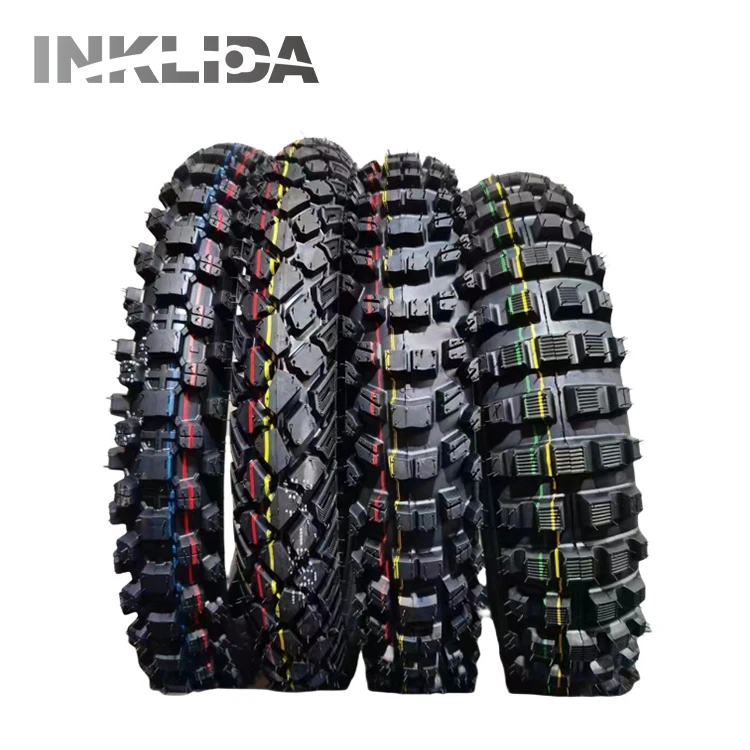
- Off Road Motorcycle Tyres: Off road motorcycle tyres are designed for use on rough and uneven terrain and typically require lower tire pressures than street motorcycle tires to provide better traction and handling. The recommended tire pressure for off road motorcycle tyres can range from 12 to 20 psi for the front tire and 12 to 22 psi for the rear tire, depending on the type of terrain you are riding on. It is important to note that the tire pressure for off road motorcycle tyres may need to be adjusted frequently to accommodate changes in terrain and riding conditions.
Conclusion
Maintaining the correct inflation pressure in your motorcycle tires is essential for ensuring safety, performance, and longevity. By following the general guidelines outlined in this blog post and referring to the owner's manual or the tire manufacturer's recommendations, you can ensure that your tires are properly inflated and in optimal condition. If you have any questions or need further assistance with choosing the right motorcycle tires or maintaining the correct tire pressure, please do not hesitate to contact us. We are a leading motorcycle tire supplier and are committed to providing our customers with the highest quality products and services. We look forward to helping you find the perfect tires for your motorcycle and ensuring your riding experience is safe and enjoyable.

References
- Motorcycle Safety Foundation. (n.d.). Tire Maintenance. Retrieved from [Website URL]
- Michelin. (n.d.). Motorcycle Tire Pressure. Retrieved from [Website URL]
- Bridgestone. (n.d.). Motorcycle Tire Care and Maintenance. Retrieved from [Website URL]