

Off the road (OTR) tires are essential for heavy - duty vehicles operating in challenging terrains such as construction sites, mines, and logging areas. These tires are designed to withstand extreme conditions, but like any other tire, they require regular maintenance to ensure optimal performance and longevity. One crucial aspect of OTR tire maintenance is tire rotation. In this blog, we'll explore how often off the road tires should be rotated and why it matters, especially as an off the road tire supplier.
Why Tire Rotation is Important for OTR Tires
Tire rotation involves moving the tires from one position on the vehicle to another. This is necessary because OTR tires wear unevenly due to various factors. For instance, on a loader or a dozer, the front tires may bear more weight during the scooping or pushing operations, leading to faster wear on the front tires compared to the rear ones.
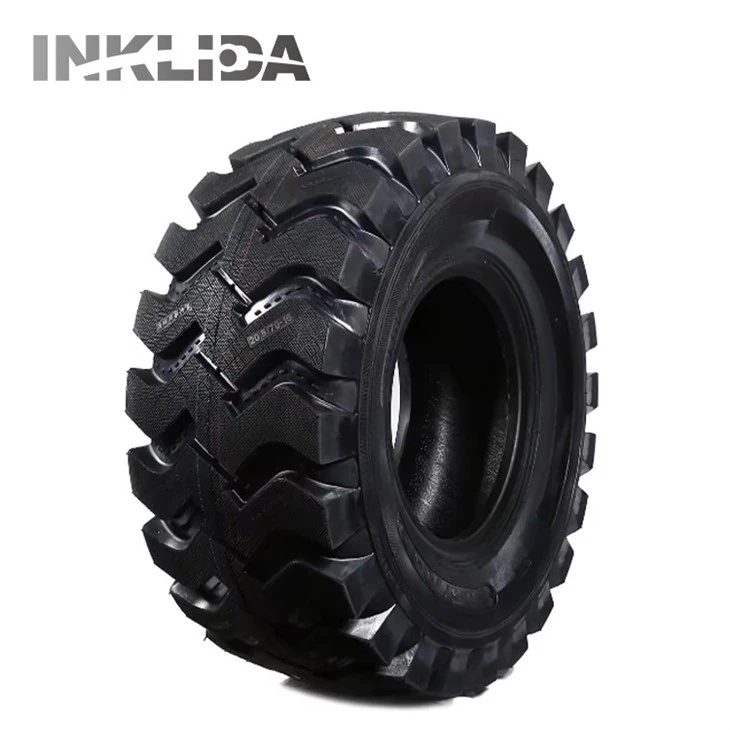

Uneven tire wear can have several negative consequences. Firstly, it reduces the overall lifespan of the tires. When one or more tires wear out prematurely, the entire set may need to be replaced earlier than expected, which can be a significant cost for the vehicle owner. Secondly, uneven wear can affect the vehicle's handling and safety. Tires with different levels of tread depth can cause the vehicle to pull to one side, making it more difficult to control, especially in off - road conditions where stability is crucial.
By rotating the tires regularly, we can distribute the wear more evenly across all the tires. This not only extends the life of the tires but also improves the vehicle's performance and safety.
Factors Affecting the Rotation Interval
The frequency of OTR tire rotation is not a one - size - fits - all answer. Several factors influence how often the tires should be rotated:
1. Type of Vehicle
Different off - road vehicles have different tire wear patterns. For example, a mining truck may have different tire wear characteristics compared to a skid - steer loader. Mining trucks often carry extremely heavy loads, which can cause more rapid wear on the tires. In contrast, skid - steer loaders have a more agile movement pattern, which may result in different types of wear.
2. Operating Conditions
The terrain and environment in which the vehicle operates play a significant role. Vehicles working in rocky terrains will experience more abrasion on the tires compared to those operating on softer, muddy ground. Similarly, vehicles exposed to high - temperature conditions may have accelerated tire wear. For instance, in a desert mining operation, the combination of heat and rough terrain can cause the tires to wear out quickly.
3. Load Capacity
The amount of weight the vehicle is carrying also affects tire wear. A vehicle that is consistently overloaded will put more stress on the tires, leading to faster wear. This means that vehicles with higher load capacities may require more frequent tire rotations.
General Guidelines for Tire Rotation Intervals
Based on industry experience and research, here are some general guidelines for OTR tire rotation intervals:
Light - Duty Off - Road Vehicles
For light - duty off - road vehicles such as small skid - steer loaders or utility vehicles used in landscaping, tire rotation should be done every 100 - 200 operating hours. These vehicles typically have less demanding operating conditions and lighter loads, so the wear on the tires is relatively slower.
Medium - Duty Off - Road Vehicles
Medium - duty vehicles like front - end loaders and backhoes usually require tire rotation every 200 - 300 operating hours. These vehicles are often used in construction sites where they encounter a variety of terrains and may carry moderate loads.
Heavy - Duty Off - Road Vehicles
Heavy - duty vehicles such as large mining trucks and bulldozers should have their tires rotated every 300 - 500 operating hours. These vehicles carry extremely heavy loads and operate in harsh conditions, so more frequent rotation is necessary to ensure even tire wear.
Our Recommendations as an OTR Tire Supplier
As an off the road tire supplier, we understand the importance of proper tire maintenance. We recommend that our customers keep a detailed record of their vehicle's operating hours and the condition of the tires. Regular inspections should be carried out to check for signs of uneven wear, such as excessive tread wear on one side of the tire or abnormal tread patterns.
In addition to following the general guidelines, we also suggest that customers consult the vehicle's manufacturer for specific tire rotation recommendations. The manufacturer may have additional insights based on the vehicle's design and engineering.
We offer a wide range of high - quality off the road tires, including the Span Carries Tire L3, Mining OTR TIRES E3 L3, and Loader and Dozer Tire L5. These tires are designed to withstand the toughest off - road conditions and provide long - lasting performance.
Conclusion and Call to Action
Proper tire rotation is a critical part of maintaining off the road tires. By rotating the tires at the appropriate intervals, vehicle owners can save money on tire replacement, improve vehicle performance, and enhance safety. As an off the road tire supplier, we are committed to providing our customers with the best products and advice on tire maintenance.
If you are in the market for high - quality off the road tires or need more information on tire rotation and maintenance, we encourage you to contact us. Our team of experts is ready to assist you in finding the right tires for your vehicle and ensuring that you get the most out of your investment.
References
- "Off - Road Tire Maintenance Guide", Industry Standard Publications, 2022
- "Tire Wear Patterns and Rotation Strategies for Heavy - Duty Vehicles", Journal of Off - Road Vehicle Engineering, Vol. 15, 2021
- Manufacturer's Manuals for Various Off - Road Vehicles, 2020 - 2023