

Maintaining a tire inner tube is crucial for ensuring the safety, performance, and longevity of your tires. As a tire inner tube supplier, I understand the importance of proper maintenance and want to share some valuable insights with you. In this blog post, I'll provide you with a comprehensive guide on how to maintain a tire inner tube effectively.
Understanding the Basics of Tire Inner Tubes
Before we dive into the maintenance tips, let's briefly understand what a tire inner tube is and how it works. A tire inner tube is a rubber bladder that is inserted inside a tire to hold air. It provides the necessary pressure to support the weight of the vehicle and ensures a smooth and stable ride. Inner tubes are commonly used in bicycles, motorcycles, tractors, and some industrial vehicles.
Regular Inspection
Regular inspection is the first step in maintaining a tire inner tube. By inspecting your inner tubes regularly, you can identify any potential issues early on and take appropriate action to prevent further damage. Here are some key points to consider during the inspection:
- Check for Visible Damage: Look for any cuts, punctures, or tears on the surface of the inner tube. Even small damages can lead to air leakage over time, so it's important to address them promptly.
- Inspect the Valve: The valve is a critical component of the inner tube that allows you to inflate and deflate the tire. Check the valve for any signs of damage or leakage. If you notice any issues, replace the valve immediately.
- Measure the Air Pressure: Use a reliable tire pressure gauge to measure the air pressure in the inner tube. Make sure the pressure is within the recommended range specified by the tire manufacturer. Underinflated or overinflated tires can cause uneven wear, reduce fuel efficiency, and increase the risk of a blowout.
Proper Inflation
Maintaining the correct air pressure is essential for the optimal performance and longevity of your tire inner tubes. Here are some tips to help you inflate your inner tubes properly:
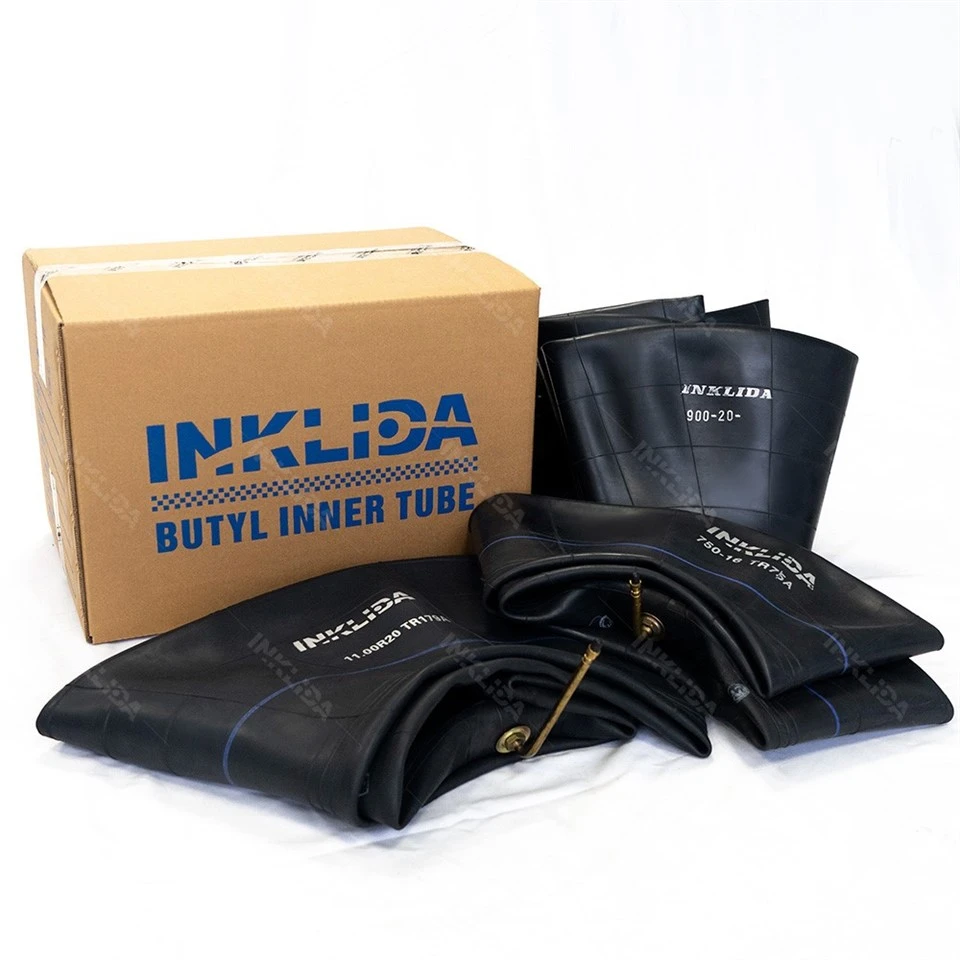
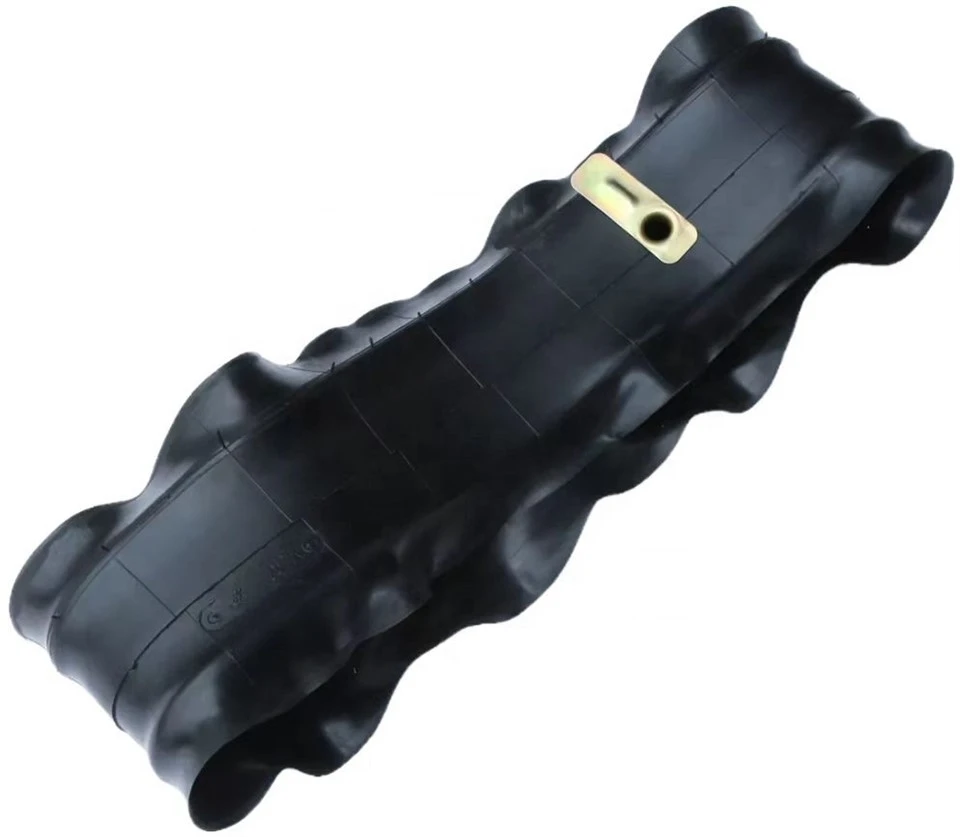
- Refer to the Manufacturer's Recommendations: Every tire has a recommended air pressure range specified by the manufacturer. This information can usually be found on the sidewall of the tire or in the vehicle's owner's manual. Make sure to follow these recommendations to ensure the best performance and safety.
- Use a Quality Tire Pressure Gauge: Invest in a reliable tire pressure gauge to accurately measure the air pressure in your inner tubes. Digital gauges are generally more accurate than analog gauges.
- Inflate Slowly and Carefully: When inflating the inner tube, use a slow and steady stream of air. Avoid overinflating the tire, as this can cause the inner tube to burst. If you're unsure about the correct air pressure, it's better to slightly underinflate the tire and then adjust it as needed.
- Check the Pressure Regularly: Make it a habit to check the air pressure in your inner tubes at least once a week. This will help you detect any gradual air leakage and ensure that the tires are always properly inflated.
Storage
Proper storage is also important for maintaining the quality of your tire inner tubes, especially if you're not using them for an extended period. Here are some tips to help you store your inner tubes correctly:
- Clean the Inner Tubes: Before storing the inner tubes, make sure to clean them thoroughly to remove any dirt, debris, or moisture. This will prevent the growth of mold and mildew, which can damage the rubber.
- Store in a Cool, Dry Place: Inner tubes should be stored in a cool, dry place away from direct sunlight and heat sources. Exposure to high temperatures can cause the rubber to deteriorate and become brittle over time.
- Avoid Contact with Sharp Objects: When storing the inner tubes, make sure to keep them away from sharp objects that could puncture or damage them. You can store the inner tubes in a protective case or bag to prevent them from getting scratched or torn.
- Inflate the Inner Tubes Slightly: If you're storing the inner tubes for an extended period, it's a good idea to inflate them slightly to prevent them from developing flat spots. However, don't overinflate them, as this can also cause damage.
Handling and Installation
Proper handling and installation are crucial for ensuring the safety and performance of your tire inner tubes. Here are some tips to help you handle and install the inner tubes correctly:
- Use the Right Tools: When installing or removing the inner tube, use the appropriate tools to avoid damaging the tube or the tire. For example, use a tire lever to remove the tire from the rim and a valve core tool to remove or install the valve core.
- Inspect the Rim: Before installing the inner tube, inspect the rim for any sharp edges or debris that could puncture the tube. If you notice any issues, file down the sharp edges or clean the rim thoroughly.
- Lubricate the Inner Tube: To make it easier to install the inner tube, you can lubricate it with a small amount of soapy water or tire lubricant. This will help the tube slide into place smoothly and prevent it from getting pinched or damaged.
- Install the Inner Tube Correctly: Make sure to install the inner tube correctly inside the tire, with the valve aligned with the valve hole in the rim. Avoid twisting or folding the tube, as this can cause air leakage.
- Check for Proper Fit: After installing the inner tube, check to make sure it fits properly inside the tire. The tube should be evenly distributed around the rim and not bulge or bunch up in any areas.
Troubleshooting Common Issues
Even with proper maintenance, you may still encounter some common issues with your tire inner tubes. Here are some troubleshooting tips to help you address these issues:
- Air Leakage: If you notice air leakage from the inner tube, the first step is to locate the source of the leak. You can do this by inflating the tube slightly and then submerging it in water. Look for bubbles to indicate the location of the leak. Once you've found the leak, you can patch it using a tire patch kit or replace the inner tube if the damage is too severe.
- Valve Issues: If you're having trouble inflating or deflating the tire, the problem may be with the valve. Check the valve for any signs of damage or blockage. If the valve is damaged, replace it with a new one. If the valve is blocked, you can try cleaning it with a small wire or needle.
- Flat Spots: If you notice flat spots on the inner tube, it may be due to overinflation, underinflation, or improper storage. To fix this issue, you can try inflating the tube to the correct pressure and then rolling the tire back and forth to redistribute the air. If the flat spots persist, you may need to replace the inner tube.
Our Product Range
As a tire inner tube supplier, we offer a wide range of high-quality inner tubes for various applications. Our products include 14.9-24 Tractor Tire Inner Tube, Rubber Flap 26.5-25, and Durable Industry Inner Tube. All our inner tubes are made from premium quality rubber and are designed to provide excellent performance and durability.
Contact Us for Procurement
If you're interested in purchasing our tire inner tubes or have any questions about maintenance or installation, please don't hesitate to contact us. Our team of experts is always ready to assist you and provide you with the best solutions for your needs. We look forward to working with you and helping you keep your tires in top condition.
References
- Tire Industry Association. (n.d.). Tire Maintenance and Safety. Retrieved from [Website URL]
- Rubber Manufacturers Association. (n.d.). Tire Safety Information. Retrieved from [Website URL]
- Various tire manufacturer websites for specific product information and maintenance guidelines.