

Adjusting the air pressure in a farm inner tube is a crucial task that directly impacts the performance, safety, and longevity of farm equipment. As a trusted farm inner tube supplier, I've witnessed firsthand how proper air pressure management can make a significant difference in the efficiency of agricultural operations. In this blog, I'll share some essential tips on how to adjust the air pressure in a farm inner tube effectively.
Understanding the Importance of Correct Air Pressure
Before delving into the adjustment process, it's essential to understand why maintaining the correct air pressure is so important. Proper air pressure ensures optimal tire performance, including better traction, reduced wear and tear, and improved fuel efficiency. Under - inflated tires can lead to excessive flexing, which generates heat and can cause the tire to fail prematurely. On the other hand, over - inflated tires have a smaller contact area with the ground, resulting in reduced traction and an increased risk of punctures.

Tools Required for Air Pressure Adjustment
To adjust the air pressure in a farm inner tube, you'll need a few basic tools:
- Tire Pressure Gauge: This is the most important tool for measuring the current air pressure in the inner tube. Make sure to choose a high - quality gauge that provides accurate readings.
- Air Compressor: An air compressor is used to add or release air from the inner tube. There are various types of air compressors available, so choose one that suits your needs and the size of your farm equipment.
- Valve Core Tool: This tool is used to remove the valve core if you need to completely deflate the inner tube or if you're having trouble with the valve.
Step - by - Step Guide to Adjusting Air Pressure
Step 1: Determine the Recommended Air Pressure
The first step is to find out the recommended air pressure for your specific farm inner tube. This information can usually be found in the owner's manual of your farm equipment or on a sticker located on the equipment itself. Different types of farm equipment, such as tractors, combines, and implements, may require different air pressures depending on their load capacity and usage.
Step 2: Check the Current Air Pressure
Use your tire pressure gauge to measure the current air pressure in the inner tube. Remove the valve cap from the inner tube valve stem and firmly press the gauge onto the valve stem. You'll hear a brief hiss of air as the gauge makes contact. Read the pressure value on the gauge.
Step 3: Add or Release Air
- Adding Air: If the current air pressure is lower than the recommended pressure, you'll need to add air. Connect your air compressor to the inner tube valve stem using an appropriate air hose. Slowly add air to the inner tube, periodically checking the pressure with your tire pressure gauge. Be careful not to over - inflate the inner tube.
- Releasing Air: If the current air pressure is higher than the recommended pressure, you can release air by gently pressing the valve core with a valve core tool or the tip of your tire pressure gauge. Release a small amount of air at a time and check the pressure frequently until you reach the recommended level.
Step 4: Re - check the Air Pressure
After adding or releasing air, re - check the air pressure with your tire pressure gauge to ensure it matches the recommended value. Replace the valve cap on the valve stem to prevent dirt and debris from entering the valve.
Special Considerations for Different Types of Farm Inner Tubes
28 Inch Tractor Tire Inner Tube
The 28 Inch Tractor Tire Inner Tube is commonly used on medium - to large - sized tractors. These inner tubes often carry heavy loads, so it's crucial to maintain the correct air pressure. When adjusting the air pressure, make sure to account for the load the tractor will be carrying. A fully loaded tractor may require a higher air pressure than an empty one.
Farm and Implement Inner Tube
Farm and Implement Inner Tube are used on a variety of farm implements, such as plows, harrows, and seeders. These inner tubes may have different air pressure requirements depending on the type of implement and its intended use. For example, an implement that is used for light tilling may require a lower air pressure than one used for heavy - duty soil preparation.
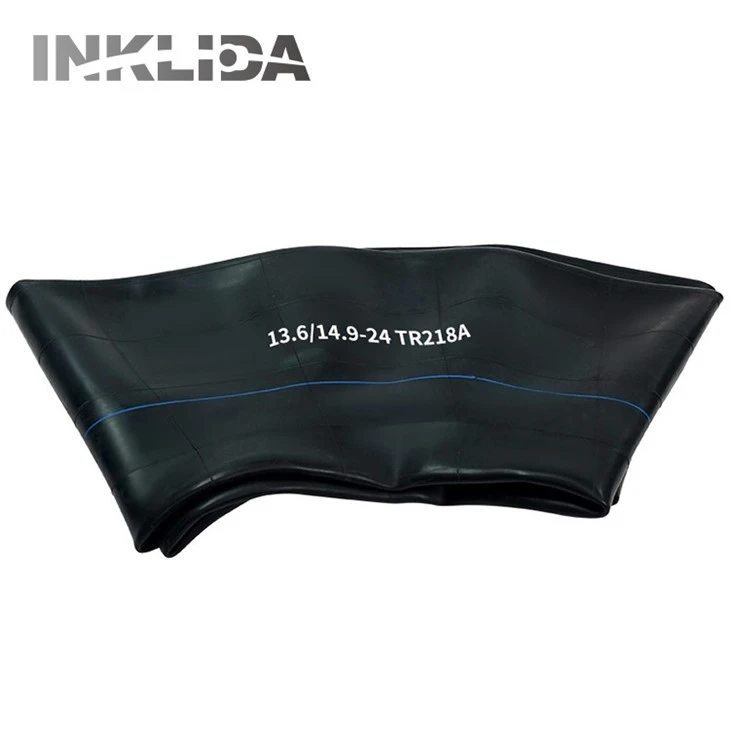
TR218A Inner Tube
The TR218A Inner Tube is designed for specific applications and may have unique air pressure requirements. Always refer to the manufacturer's specifications when adjusting the air pressure for this type of inner tube.
Regular Maintenance and Monitoring
Adjusting the air pressure in a farm inner tube is not a one - time task. Regular maintenance and monitoring are essential to ensure that the air pressure remains at the recommended level. Check the air pressure at least once a week, especially before starting any major farm operations. Also, inspect the inner tubes for any signs of damage, such as cuts, punctures, or bulges.
Conclusion
Properly adjusting the air pressure in a farm inner tube is a simple yet critical task that can have a significant impact on the performance and safety of your farm equipment. By following the steps outlined in this blog and using the right tools, you can ensure that your farm inner tubes are always in optimal condition.
If you're in the market for high - quality farm inner tubes or have any questions about air pressure adjustment, I encourage you to reach out for a procurement discussion. Our team of experts is ready to assist you in finding the right inner tubes for your specific needs and providing guidance on proper maintenance.
References
- Agricultural Machinery Handbook, various editions
- Tire and Inner Tube Manufacturer's Manuals