

Off the road (OTR) tires are essential for heavy - duty vehicles operating in challenging terrains such as construction sites, mines, and quarries. Among the various types of OTR tires, radial and bias - ply tires stand out, each with distinct characteristics. As an OTR tire supplier, I've witnessed firsthand the differences between these two tire types, and I'm here to share in - depth insights.
Construction
The fundamental difference between radial and bias - ply OTR tires lies in their construction. Bias - ply tires, also known as cross - ply tires, have been around for a long time. In a bias - ply tire, the plies (layers of fabric cords) are arranged diagonally at an angle of about 30 to 40 degrees to the centerline of the tire. These plies criss - cross each other, creating a strong and rigid structure. The multiple layers of overlapping plies give bias - ply tires excellent lateral stability, which is crucial when a vehicle is turning or operating on uneven ground.
On the other hand, radial tires have plies that run radially from bead to bead, perpendicular to the centerline of the tire. A steel belt is placed on top of the radial plies, which provides additional strength and stability. This construction allows the sidewall and the tread to function independently. The sidewall can flex more freely, while the tread maintains better contact with the ground.
Performance on Different Terrains
When it comes to off - road performance, both radial and bias - ply tires have their strengths. Bias - ply tires are well - suited for rough and rocky terrains. Their rigid construction makes them more resistant to cuts and punctures from sharp rocks. The overlapping plies distribute the impact of obstacles evenly across the tire, reducing the risk of damage. For example, in a mining environment where large rocks are common, bias - ply tires can offer reliable performance. You can check out our Mining OTR TIRES E3 L3 which are bias - ply options designed specifically for such conditions.
Radial tires, however, excel on softer terrains like mud or sand. The independent movement of the sidewall and tread allows the tire to conform to the shape of the ground better. This results in increased traction as the tire can grip the surface more effectively. The steel belt also helps to keep the tread flat on the ground, providing a larger contact area and better stability. Our Span Carries Tire L3 is a radial tire option that performs well in these softer terrains.
Heat Resistance and Durability
Heat generation is a significant factor in tire performance, especially in heavy - duty off - road applications. Bias - ply tires tend to generate more heat during operation. The overlapping plies create more friction within the tire structure, which can lead to higher temperatures. This heat can cause the rubber to degrade over time, reducing the tire's lifespan. To counter this, bias - ply tires often require more frequent maintenance and inspections.
Radial tires, due to their construction, generate less heat. The independent movement of the sidewall and tread reduces internal friction. This lower heat generation not only extends the tire's lifespan but also improves fuel efficiency. The steel belt in radial tires also enhances their durability, making them more resistant to wear and tear. Our Loader and Dozer Tire L5 is a radial tire that offers excellent heat resistance and long - term durability.
Ride Comfort
Ride comfort is another area where radial and bias - ply tires differ. Bias - ply tires, with their rigid construction, transmit more vibrations and shocks to the vehicle. This can make the ride less comfortable for operators, especially during long hours of operation. The lack of flexibility in the sidewall means that the tire cannot absorb bumps and unevenness in the terrain as effectively.

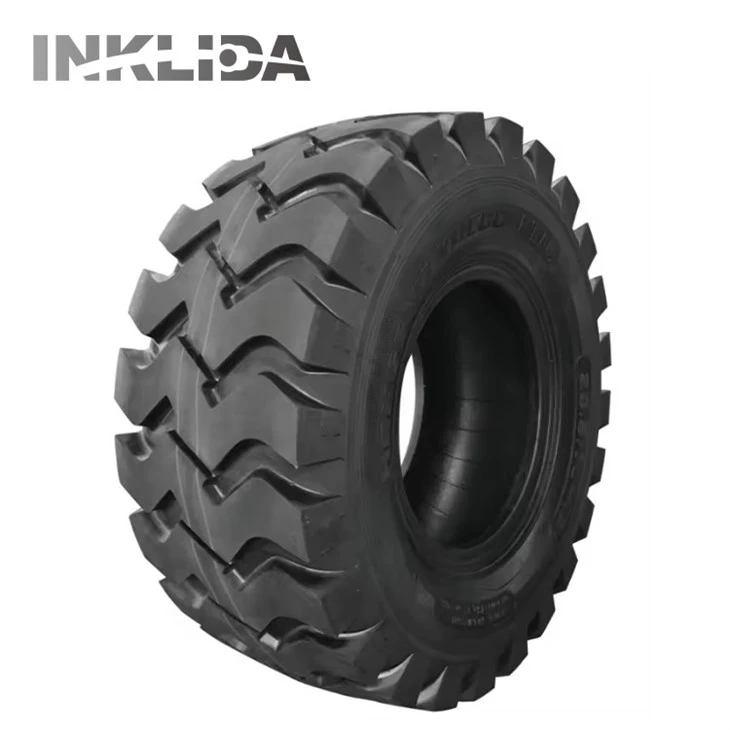
Radial tires, on the other hand, provide a smoother ride. The flexible sidewall can absorb shocks and vibrations, reducing the impact on the vehicle and the operator. This is particularly important in applications where operators spend a significant amount of time in the vehicle, such as on large construction sites.
Cost Considerations
In terms of cost, bias - ply tires are generally less expensive upfront. Their simpler construction and the use of fewer materials result in a lower manufacturing cost. However, when considering the total cost of ownership, radial tires may be more cost - effective in the long run. Radial tires have a longer lifespan, better fuel efficiency, and require less maintenance. This means that over time, the cost per hour of operation may be lower for radial tires.
Applications
Bias - ply tires are commonly used in applications where high - load capacity and resistance to cuts are required. They are often found on large mining trucks, bulldozers, and some construction equipment. The ability to withstand heavy loads and rough terrains makes them a popular choice in these industries.
Radial tires are increasingly being used in a wide range of off - road applications. Their superior traction, ride comfort, and durability make them suitable for various vehicles, from small loaders to large haul trucks. As technology advances, more and more operators are switching to radial tires to improve the performance of their vehicles.
Conclusion
In conclusion, the choice between radial and bias - ply off - road tires depends on several factors, including the type of terrain, the application, and the operator's priorities. Bias - ply tires offer excellent cut resistance and high - load capacity, making them ideal for rough and rocky terrains. Radial tires, on the other hand, provide better traction, ride comfort, and heat resistance, making them a great choice for softer terrains and long - term use.
As an OTR tire supplier, we understand the importance of choosing the right tire for your specific needs. Whether you're looking for a bias - ply tire for a mining operation or a radial tire for a construction site, we have a wide range of options to meet your requirements. If you're interested in learning more about our products or would like to discuss your tire needs, please don't hesitate to reach out for a procurement discussion.
References
- Tire Industry Association. (20XX). Technical Guide to Off - Road Tires.
- Rubber Manufacturers Association. (20XX). Off - Road Tire Performance Standards.