

Selecting the appropriate farm inner tube is a crucial decision that can significantly impact the performance, safety, and longevity of your agricultural equipment. As a seasoned farm inner tube supplier, I understand the complexities involved in this choice. In this blog, I'll share some essential tips to help you make an informed decision when choosing the right farm inner tube for your needs.
Understanding Your Equipment Requirements
The first step in choosing the right farm inner tube is to understand the specific requirements of your agricultural equipment. Different types of farm machinery, such as tractors, combines, and trailers, have varying tire sizes, load capacities, and operating conditions. For instance, a large tractor used for heavy - duty plowing will require an inner tube with a higher load - bearing capacity compared to a smaller utility tractor.
You should refer to your equipment's manual or the tire sidewall for information on the recommended tire size, load index, and inflation pressure. This data is vital as it ensures that the inner tube you select can handle the weight and stress placed on it during normal operation. For example, if your tractor has a tire size of 16.9 - 28, you'll need an inner tube that is specifically designed to fit this size. One such option is the Tractor Tire Inner Tube 16.9 - 28 TR218A, which is engineered to meet the demands of this common tractor tire size.
Consider the Operating Conditions
The environment in which your agricultural equipment operates plays a significant role in determining the right inner tube. Farms can have a wide range of terrains, from soft mud and wet fields to hard - packed dirt and rocky surfaces. Inner tubes need to be able to withstand these different conditions without getting damaged easily.
If your equipment is mainly used in muddy or wet areas, you'll want an inner tube that has good resistance to punctures and abrasions. Some inner tubes are made with reinforced rubber compounds that provide extra protection against sharp objects and rough terrain. On the other hand, if your operations are mostly on smooth, well - maintained surfaces, you may not need as high a level of puncture resistance.
Another factor to consider is the temperature. Extreme heat or cold can affect the performance and lifespan of an inner tube. In hot climates, the inner tube can expand, which may lead to over - inflation if not properly monitored. In cold climates, the rubber can become brittle and more prone to cracking. Look for inner tubes that are designed to perform well in a wide range of temperatures.
Quality and Material
The quality of the inner tube is directly related to the materials used in its construction. High - quality rubber compounds are essential for a durable and long - lasting inner tube. Rubber that is resistant to ozone, UV rays, and aging will ensure that the inner tube maintains its integrity over time.
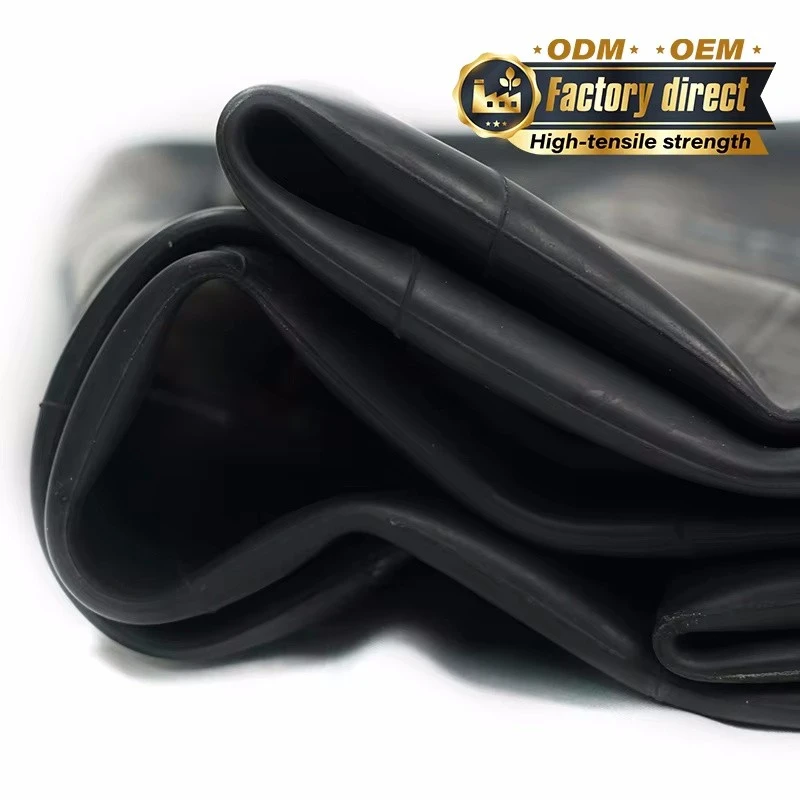
Some inner tubes are made with butyl rubber, which is known for its excellent air - retention properties. This means that the tire will stay inflated for longer periods, reducing the need for frequent re - inflation. Butyl rubber also has good resistance to heat and chemicals, making it suitable for a variety of agricultural applications.
When choosing an inner tube, look for products that are manufactured to high standards. Reputable suppliers often use advanced manufacturing processes and quality control measures to ensure that their inner tubes meet or exceed industry standards. For example, our TR218A Inner Tube is made from high - quality butyl rubber, offering superior air - retention and durability.
Compatibility with Tires
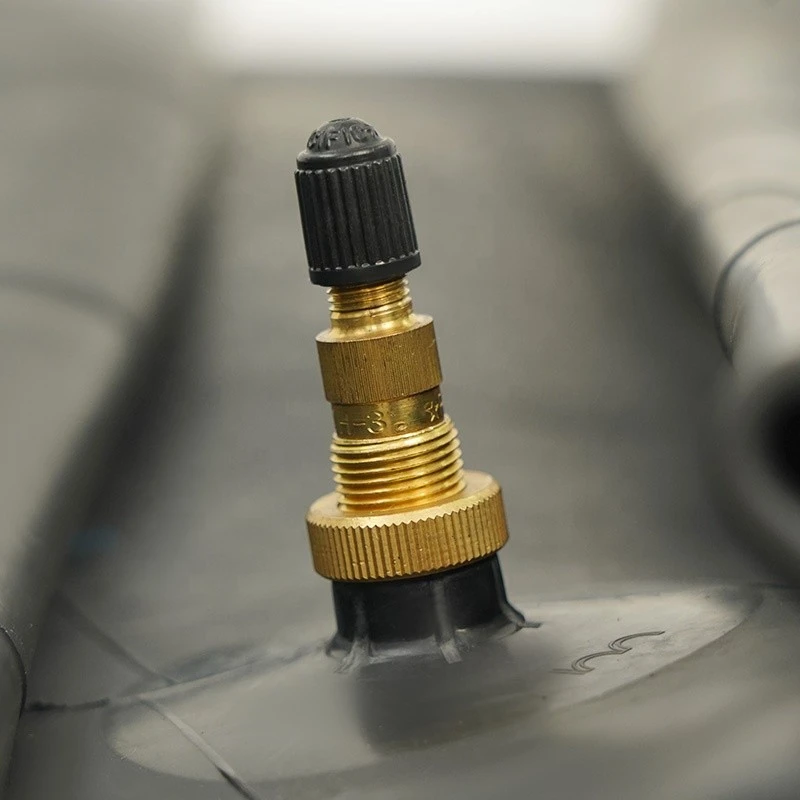
It's crucial to ensure that the inner tube you choose is compatible with your tires. This includes not only the size but also the valve type. There are different types of valves, such as Schrader valves and Presta valves, and using the wrong valve can lead to air leakage or difficulty in inflation.
Before purchasing an inner tube, check the valve type of your existing tires. If you're unsure, you can consult your equipment manual or a professional tire technician. Additionally, make sure that the inner tube's design is suitable for the tire's construction. Some tires are tubeless, and using an inner tube in a tubeless tire can cause problems. Always verify the compatibility of the inner tube with your specific tire model.
Brand Reputation and Supplier Support
The reputation of the brand and the support provided by the supplier are important considerations. A well - known brand with a good track record is more likely to produce high - quality inner tubes. You can research customer reviews and testimonials to get an idea of the brand's reliability.
As a farm inner tube supplier, I take pride in offering not only high - quality products but also excellent customer support. We understand that choosing the right inner tube can be challenging, and we're here to assist you every step of the way. Whether you have questions about sizing, compatibility, or installation, our team of experts is ready to provide you with the information you need.
Cost - Benefit Analysis
While cost is an important factor, it shouldn't be the sole determining factor when choosing a farm inner tube. A cheaper inner tube may seem like a good deal initially, but it may not offer the same level of performance and durability as a more expensive one. Consider the long - term costs, such as the frequency of replacement and the potential for downtime due to inner tube failures.
A high - quality inner tube may cost more upfront, but it can save you money in the long run by reducing the need for frequent replacements and minimizing equipment downtime. When comparing prices, also take into account the features and benefits offered by each inner tube. For example, an inner tube with better puncture resistance may be worth the extra cost if you operate in a high - risk environment.
Special Features
Some farm inner tubes come with special features that can enhance their performance. For example, there are self - sealing inner tubes that can automatically repair small punctures. These are particularly useful in areas where punctures are common, such as fields with thorns or sharp debris.
Another special feature is anti - static properties. In some agricultural operations, static electricity can build up, which can be a safety hazard. Inner tubes with anti - static properties help to dissipate this static charge, reducing the risk of fires or explosions.
If you're looking for a large - scale option, our Giant Inner Tube offers a range of benefits for heavy - duty agricultural equipment. It is designed to handle large loads and is built to last in tough operating conditions.
Conclusion
Choosing the right farm inner tube requires careful consideration of your equipment requirements, operating conditions, quality, compatibility, brand reputation, and cost - benefit analysis. By taking the time to evaluate these factors, you can ensure that you select an inner tube that will provide reliable performance and long - term value for your agricultural operations.
If you're in the process of selecting a farm inner tube or have any questions about our products, I encourage you to reach out to us. Our team of experts is ready to help you make the best choice for your specific needs. We look forward to discussing your requirements and assisting you in your purchasing decision.
References
- Tire and Rim Association Standards Manual
- Agricultural Equipment Manufacturers' Guides