

Detecting a leak in an OTR (Off-The-Road) inner tube is a crucial skill for anyone involved in the maintenance of heavy machinery and vehicles operating in challenging terrains. As an OTR inner tubes supplier, I've encountered numerous situations where prompt and accurate leak detection can save time, money, and prevent potential safety hazards. In this blog post, I'll share some effective methods to detect a leak in an OTR inner tube, along with insights into the common causes of leaks and preventive measures.
Understanding the Importance of Leak Detection
OTR inner tubes are used in large vehicles such as loaders, mining trucks, and agricultural equipment. These vehicles operate in harsh environments, and a leaking inner tube can lead to a significant loss of air pressure, which in turn affects the tire's performance and the vehicle's safety. For instance, uneven tire pressure can cause premature tire wear, reduce traction, and even lead to tire blowouts. Therefore, regular inspection and timely detection of leaks are essential to ensure the optimal performance and safety of these vehicles.

Common Causes of Leaks in OTR Inner Tubes
Before diving into the detection methods, it's important to understand the common causes of leaks in OTR inner tubes. This knowledge can help you take preventive measures and reduce the frequency of leaks.
- Punctures: Sharp objects such as nails, glass, or rocks can penetrate the inner tube, causing a leak. This is one of the most common causes of leaks, especially in construction and mining sites where the ground is often littered with debris.
- Valve Stem Issues: The valve stem is a common area for leaks. Over time, the valve stem can become damaged or worn out, leading to air leakage. This can be caused by improper installation, excessive bending, or corrosion.
- Inner Tube Damage: The inner tube can also be damaged during installation or removal. If the tube is pinched or cut, it can develop a leak. Additionally, exposure to extreme temperatures, chemicals, or sunlight can cause the rubber to deteriorate, leading to leaks.
- Tire Bead Sealing Problems: A poor seal between the tire bead and the wheel rim can cause air to leak out. This can be due to a dirty or damaged wheel rim, improper tire mounting, or a worn-out tire bead.
Methods of Detecting a Leak in an OTR Inner Tube
There are several methods you can use to detect a leak in an OTR inner tube. Each method has its advantages and disadvantages, and the choice of method depends on the severity of the leak, the available resources, and the time constraints.
Visual Inspection
The first step in detecting a leak in an OTR inner tube is a visual inspection. This involves removing the tire from the vehicle and carefully examining the inner tube for any visible signs of damage, such as cuts, punctures, or bulges. Pay special attention to the valve stem and the area around the tire bead, as these are common areas for leaks.
If you find a visible puncture or cut, you can mark it with a piece of chalk or tape for further repair. However, visual inspection may not always be sufficient to detect small leaks, especially in hard-to-reach areas.
Pressure Test
A pressure test is a more accurate method of detecting leaks in an OTR inner tube. To perform a pressure test, you'll need a tire pressure gauge and a source of compressed air.
- Inflate the inner tube: Use the compressed air to inflate the inner tube to the recommended pressure. The recommended pressure can usually be found on the sidewall of the tire or in the vehicle's owner's manual.
- Check the pressure: Use the tire pressure gauge to check the pressure of the inner tube. If the pressure drops significantly within a short period of time, it indicates a leak.
- Listen for air leaks: While the inner tube is pressurized, listen carefully for any hissing sounds. This can help you locate the general area of the leak.
If you suspect a leak but can't locate it audibly, you can use the soapy water method to pinpoint the exact location of the leak.
Soapy Water Method
The soapy water method is a simple and effective way to detect small leaks in an OTR inner tube. To use this method, you'll need a spray bottle filled with a mixture of water and dish soap.
- Inflate the inner tube: As with the pressure test, inflate the inner tube to the recommended pressure.
- Apply the soapy water: Spray the soapy water onto the surface of the inner tube, paying special attention to the valve stem, the area around the tire bead, and any areas where you suspect a leak.
- Look for bubbles: If there is a leak, the air escaping from the inner tube will cause bubbles to form in the soapy water. The location of the bubbles indicates the location of the leak.
Once you've located the leak, you can mark it with a piece of chalk or tape for repair.
Preventive Measures
While it's important to know how to detect a leak in an OTR inner tube, taking preventive measures can help reduce the frequency of leaks and extend the lifespan of the inner tube.
- Proper Installation: Ensure that the inner tube is installed correctly, following the manufacturer's instructions. This includes using the correct size of inner tube for the tire, lubricating the inner tube and the tire bead before installation, and avoiding pinching or cutting the inner tube during installation.
- Regular Inspection: Perform regular visual inspections of the inner tube and the tire. Look for any signs of damage, wear, or corrosion, and address any issues promptly.
- Avoid Harsh Environments: Whenever possible, avoid driving the vehicle in areas with sharp objects, extreme temperatures, or chemicals. These can cause damage to the inner tube and increase the risk of leaks.
- Maintain Proper Tire Pressure: Keeping the tire pressure at the recommended level can help prevent leaks and extend the lifespan of the inner tube. Use a tire pressure gauge to check the pressure regularly and inflate or deflate the tire as needed.
Conclusion
Detecting a leak in an OTR inner tube is an important skill that can help ensure the optimal performance and safety of heavy machinery and vehicles. By understanding the common causes of leaks, using the appropriate detection methods, and taking preventive measures, you can minimize the risk of leaks and extend the lifespan of the inner tube.
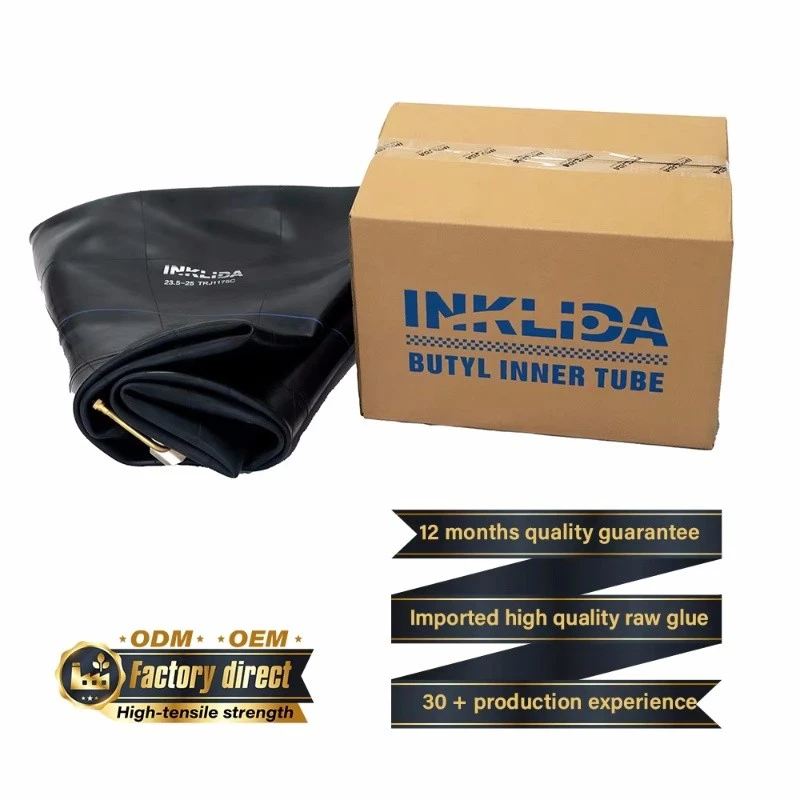
If you're in the market for high-quality OTR inner tubes, we're here to help. We offer a wide range of Loader Tire Inner Tube, including the Otr Inner Tube Trj1175c Trj4000 Valve and OTR Inner Tube 26.5R25 TRJ1175C. Our products are designed to meet the highest standards of quality and durability, and we're committed to providing excellent customer service. Contact us today to discuss your OTR inner tube needs and start a procurement conversation.
References
- Bridgestone. (2023). OTR Tire Maintenance Guide.
- Michelin. (2023). Best Practices for OTR Inner Tube Care.
- Pirelli. (2023). Technical Manual for OTR Tires.