

Hey there! I'm a supplier of farm inner tubes, and I know how crucial it is to ensure the quality of these products. After all, farmers rely on them to keep their equipment running smoothly in the fields. In this blog, I'll share some practical ways to test the quality of a farm inner tube.
Visual Inspection
The first step in testing a farm inner tube is a simple visual check. Start by looking at the surface of the tube. It should be smooth and free of any visible defects like cuts, cracks, or blisters. Cuts can weaken the tube and lead to air leakage, while blisters might indicate a manufacturing flaw.
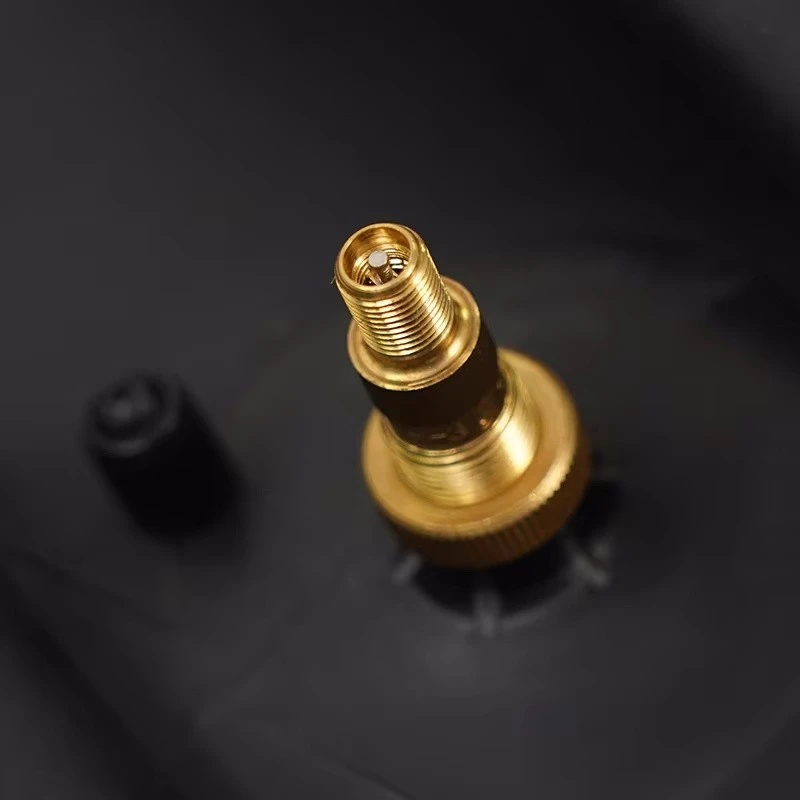
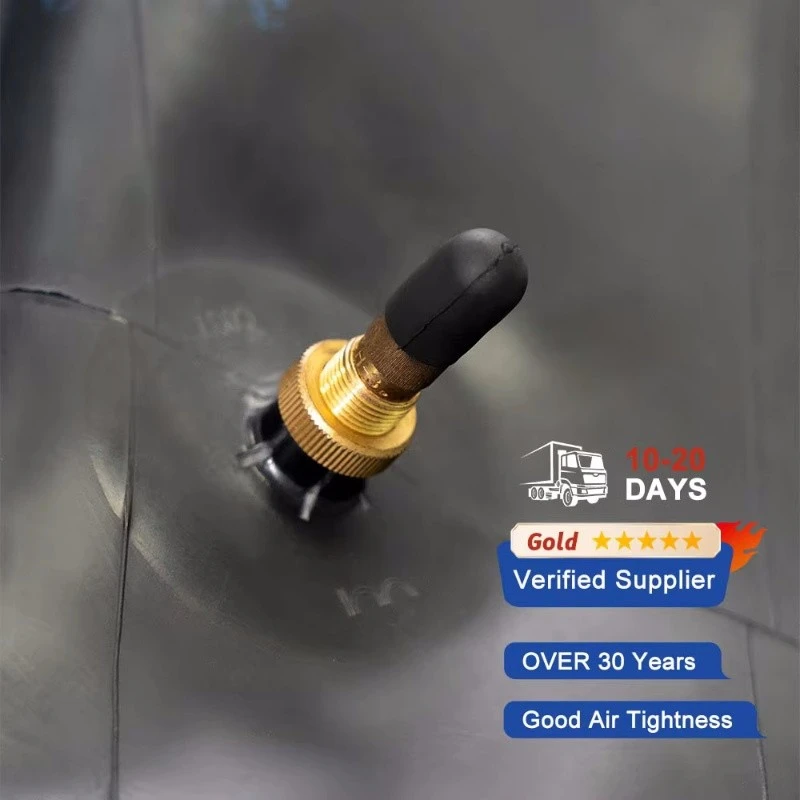
Inspect the valve stem as well. It should be straight and firmly attached to the tube. A loose or bent valve stem can cause problems when inflating or deflating the tube. If you notice any of these issues during the visual inspection, it's a red flag that the inner tube might not be of good quality.
Inflation Test
Once you've given the tube a good visual once - over, it's time to inflate it. This is a great way to see how well the tube holds air. Use a reliable air compressor to inflate the tube to the recommended pressure. You can find this information on the sidewall of the tube or in the product manual.
As you're inflating the tube, pay close attention to any hissing sounds. A hissing noise is a clear sign of air leakage. Check around the valve stem, seams, and any areas where there might be a defect. If you find a leak, mark the spot with a piece of tape so you can address it later.
Let the inflated tube sit for a while, say 24 hours. After this time, check the pressure again. If the pressure has dropped significantly, it means the tube has a slow leak. A high - quality farm inner tube should hold its pressure well over an extended period.
Flexing and Bending Test
Farm inner tubes are subjected to a lot of movement and stress in real - world use. To simulate this, you can perform a flexing and bending test. Gently bend the inflated tube in different directions, just like it would bend when it's on a farm vehicle.
While you're doing this, listen for any cracking or popping sounds. These sounds could indicate that the rubber in the tube is too brittle and might break under normal use. Also, check for any signs of separation between the layers of the tube. A well - made inner tube should be able to withstand this kind of flexing without showing any signs of damage.
Durability Test
To test the durability of the farm inner tube, you can use a simple abrasion test. Take a piece of rough material, like sandpaper, and gently rub it against the surface of the tube. Be careful not to apply too much pressure, as you don't want to damage the tube right away.
After a few rubs, check the surface of the tube. If there are significant signs of wear, such as the rubber coming off or the surface getting scratched deeply, it might not be a very durable tube. A high - quality inner tube should be able to resist some level of abrasion without getting damaged easily.
Compatibility Test
It's also important to make sure the farm inner tube is compatible with the tire it's going to be used in. Check the size and specifications of the tube against the tire. For example, if you're using a 38 Inch Inner Tube, make sure it's the right fit for a 38 - inch tire.
Put the inner tube inside the tire and make sure it fits snugly. There should be no excessive stretching or bunching up of the tube. If the tube doesn't fit properly, it can cause uneven wear and might even lead to a blowout.
Chemical Resistance Test
Farm environments can expose inner tubes to various chemicals, such as fertilizers and pesticides. To test the chemical resistance of the tube, you can take a small sample of the tube material (if possible) and soak it in a diluted solution of common farm chemicals.
After a few hours, remove the sample and check for any signs of degradation, such as swelling, softening, or discoloration. A good - quality farm inner tube should be able to resist the effects of these chemicals to some extent.
Temperature Resistance Test
Farm work can take place in a wide range of temperatures. To test the temperature resistance of the inner tube, you can use a simple method. Place the inflated tube in a freezer for a few hours to simulate cold conditions. Then, take it out and let it warm up to room temperature. Check for any signs of cracking or brittleness.
Next, you can place the tube in a warm environment, like a sunny spot outside on a hot day. After a few hours, check for any signs of melting or softening. A high - quality inner tube should be able to withstand these temperature changes without losing its integrity.
Quality Assurance from a Supplier's Perspective
As a farm inner tube supplier, I take quality very seriously. We have a strict quality control process in place at our manufacturing facility. Every tube goes through multiple inspections before it leaves our factory.
We use high - grade rubber materials that are specifically designed for farm applications. Our manufacturing processes are also carefully monitored to ensure that each tube is made to the highest standards. We test samples from each batch to make sure they meet our quality criteria.
If you're in the market for farm inner tubes, whether it's an Agricultural Tyre Inner Tube 17.5 - 25 or a Hand Cart Inner Tube, I encourage you to reach out to us. We're always happy to provide more information about our products and answer any questions you might have. Our team can also help you choose the right inner tube for your specific needs.
In conclusion, testing the quality of a farm inner tube is essential to ensure its performance and longevity. By following these simple tests, you can make sure you're getting a high - quality product that will serve you well in the farm environment. If you're interested in purchasing our farm inner tubes, don't hesitate to contact us for more details and to start a procurement discussion.
References
- "Tire and Inner Tube Handbook" by Tire Manufacturers Association
- "Farm Equipment Maintenance Guide" published by Agricultural Equipment Institute