

Hey there! As a hand cart inner tube supplier, I've seen my fair share of issues with these tubes losing air. It can be a real pain in the neck, right? But don't worry, I'm here to share some tips on how to handle a hand cart inner tube that keeps losing air.
First Things First: Check for Visible Damage
The first step in fixing an air - losing inner tube is to give it a good once - over. Look for any obvious signs of damage like cuts, punctures, or tears. Sometimes, a small nail or a sharp stone can pierce the tube, causing air to escape.
If you find a visible hole, you're in luck. Patching it up is usually a straightforward process. You can use a patch kit, which you can easily buy at a hardware store or online. Just make sure to clean the area around the hole thoroughly before applying the patch. Rough up the surface a bit with sandpaper to help the patch stick better.
Inspect the Valve
The valve is another common culprit when it comes to air loss. Over time, the valve can become worn out or damaged. Check if the valve cap is on tightly. A loose valve cap can let air escape slowly.
If the valve itself is the problem, you might need to replace it. Valve replacement kits are available, and it's not too difficult to do. Just deflate the tube completely, remove the old valve, and install the new one according to the instructions.
Submerge the Tube in Water
If you can't find any visible damage on the tube or the valve, it's time to try the water test. Fill a large container with water and submerge the inflated inner tube in it. Make sure the tube is fully covered.
Slowly rotate the tube in the water and look for bubbles. The bubbles will indicate where the air is leaking from. Once you've found the leak, mark it with a pen or tape. Then, you can patch it up as described earlier.
Consider the Age of the Tube
Sometimes, the inner tube might just be too old. Over time, the rubber can deteriorate, becoming more porous and allowing air to seep out. If your tube is several years old, it might be time to invest in a new one.
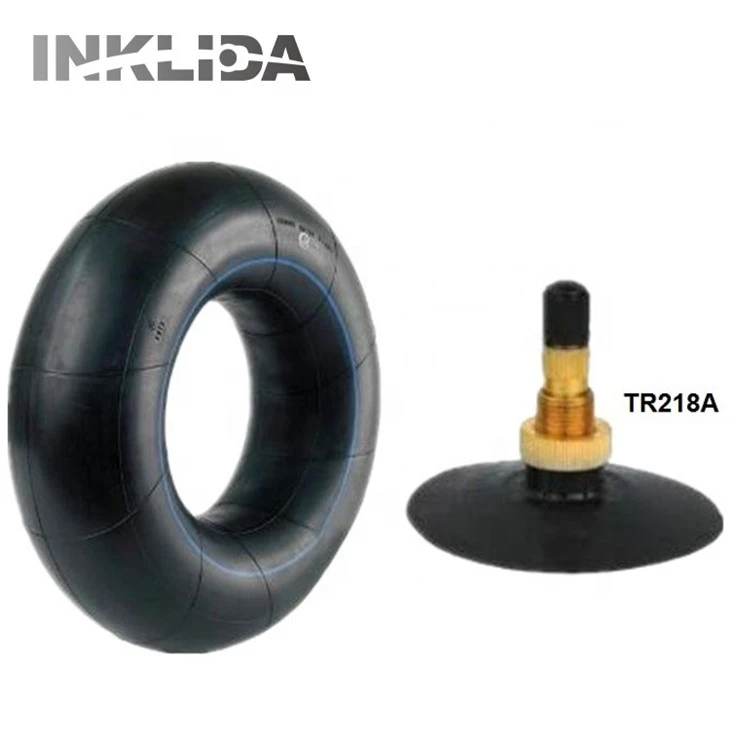
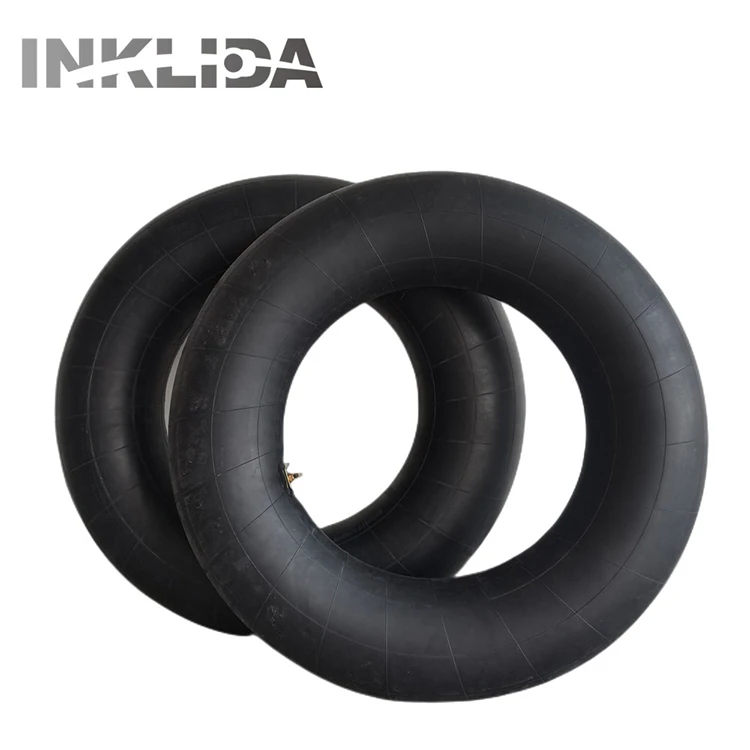
We offer a great selection of hand cart inner tubes at Hand Cart Inner Tube. Our tubes are made from high - quality rubber, which is more durable and less likely to develop leaks.
Environmental Factors
Environmental conditions can also affect the performance of your hand cart inner tube. Extreme temperatures can cause the rubber to expand or contract, leading to air loss. For example, in hot weather, the air inside the tube expands, and if the tube is already weakened, it can develop leaks.
In cold weather, the rubber becomes more brittle, making it more prone to cracking. Try to store your hand cart in a temperature - controlled environment whenever possible.
Proper Inflation
Maintaining the right air pressure is crucial. Over - inflating the tube can put too much stress on the rubber, causing it to stretch and potentially develop leaks. Under - inflating, on the other hand, can make the tube more susceptible to damage from bumps and rough surfaces.
Check the recommended air pressure for your hand cart inner tube, which is usually printed on the tube or in the user manual. Use a reliable tire pressure gauge to ensure you're inflating it to the correct level.
Other Types of Inner Tubes
If you're in the market for different types of inner tubes, we've got you covered. We also offer 24 Inch Tractor Tire Tube and 28 Inch Tractor Tire Inner Tube. These tubes are designed to withstand heavy - duty use on tractors and other farm equipment.
Final Thoughts
Dealing with a hand cart inner tube that keeps losing air can be frustrating, but with these tips, you should be able to diagnose and fix the problem. Remember, regular maintenance and proper care can go a long way in extending the life of your inner tube.
If you have any questions or are interested in purchasing our high - quality inner tubes, don't hesitate to reach out. We're always happy to help you find the right product for your needs and answer any questions you might have. Whether you're a small - scale farmer or just need a hand cart for around the house, our inner tubes are built to last.
References
- "Tire and Inner Tube Maintenance Guide" - Generic automotive and tractor maintenance handbook
- "Rubber Products and Their Lifespan" - A research paper on the durability of rubber in various applications.