

Yo, winter sports fans! I'm the dude running a snow tubes supply business, and I've seen it all when it comes to these fun - loving winter toys. There's nothing more exciting than cruising down a snow - covered hill on a snow tube, but having a wobbly ride can really put a damper on the fun. So, today I'm here to share some top - notch tips on how to make a snow tube more stable.
1. Proper Inflation
This might sound basic, but proper inflation is key to a stable snow tube. An under - inflated tube is like a wobbly jelly on the snow. It won't glide smoothly and will tip over easily. On the other hand, over - inflating can make the tube too rigid and less forgiving on uneven terrain.
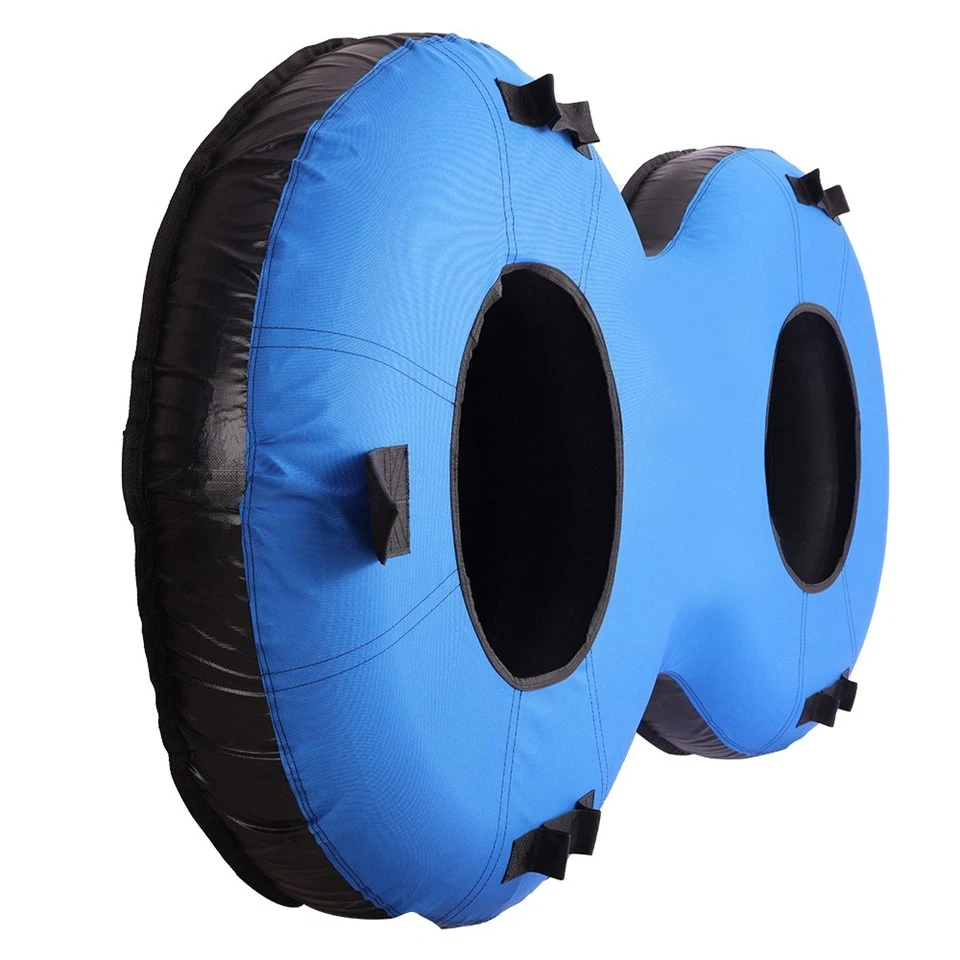
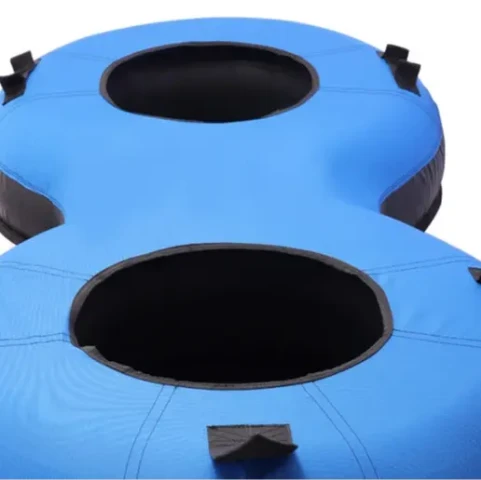
I usually recommend checking the manufacturer's guidelines for the ideal inflation pressure. Most of the snow tubes we supply, like the 2 Person Inflatable Snow Sled Tube, come with clear instructions on how much air to pump in. Using a good quality pump can also make the job easier and more accurate. You don't want to be out there on the hill with a half - inflated tube, right?
2. Weight Distribution
Another crucial factor is how you distribute your weight on the snow tube. If you sit too far forward or backward, the tube can become unbalanced. For single - rider tubes, try to sit in the center as much as possible. Keep your feet flat and together, and your back straight.
In the case of multi - rider tubes, like our awesome 2 Person Inflatable Snow Sled Tube, riders should evenly distribute their weight. Communicate with your partner. If one person is heavier, you might need to adjust your sitting positions slightly to keep the tube level.
3. Design Features
Some snow tube designs are inherently more stable than others. For example, tubes with a wider base tend to offer more stability. Our 44 Inch Snow Tubing With PVC Bottom For Winter Sports has a larger diameter, which gives it better balance on the snow. The PVC bottom also adds to the durability and stability by providing a smooth, firm surface for gliding.
Tubes with raised sides or a rim around the edge can also prevent riders from sliding off easily and help to keep the tube stable. When you're choosing a snow tube from our inventory, pay attention to these design features. They can make a huge difference in your ride.
4. Surface and Terrain
The type of snow surface and terrain you're riding on can impact the tube's stability. Fresh, powdery snow is ideal for a stable ride as it provides good traction. Avoid ice patches as much as possible because they can cause the tube to slide unpredictably.
When picking a hill, look for one that has a consistent slope without too many bumps or sudden drops. Steep and rough terrains can be challenging to navigate even on a stable tube. If you're a beginner, start with gentle slopes until you get the hang of it.
5. Use of Accessories
There are some accessories that can enhance the stability of your snow tube. For instance, you can use a handlebar. It's not only great for holding on tight but can also help you control the direction of the tube, which in turn affects its stability.
Some people also use straps or ropes to secure items on the tube or to hold on more firmly. Just make sure any accessory you use doesn't cause any imbalance or interfere with the tube's movement.
6. Maintenance
Regular maintenance of your snow tube is super important. Check for any signs of wear and tear, such as small punctures or weak spots. A damaged tube is likely to be less stable. If you find any issues, patch them up right away using a repair kit.
Clean your snow tube after each use. Remove any snow, dirt, or debris that might have accumulated. This not only helps to keep the tube in good condition but also ensures that it glides smoothly on the snow, contributing to its stability.
7. Rider Experience
Your own experience as a rider matters a lot. The more you practice, the better you'll get at keeping the tube stable. Start with short rides and gradually build up your skills. As you get more comfortable, you can try different techniques to control the tube's movement, like shifting your weight slightly to make turns.
If you're new to snow tubing, it's a good idea to watch more experienced riders. See how they sit, how they hold on, and how they handle different situations on the slope. You can learn a great deal from them.
In conclusion, making a snow tube more stable involves a combination of proper inflation, good weight distribution, choosing the right design, being aware of the surface and terrain, using accessories, maintaining the tube, and building up your riding skills.
If you're in the market for high - quality snow tubes, we've got you covered! We offer a wide range of options, from the 2 Person Inflatable Snow Sled Tube for group fun to the Inflatable Swimming Tube that can also be used in the winter with the right conditions. And our 44 Inch Snow Tubing With PVC Bottom For Winter Sports is a real beast on the slopes.
If you're interested in purchasing our snow tubes for your winter business or for personal use, don't hesitate to reach out. Let's have a chat about your needs and how we can make your snow tubing experience the best it can be.
References
- General knowledge from years of experience in the snow tube supply business
- Studies on the physics of snow sliding and stability