

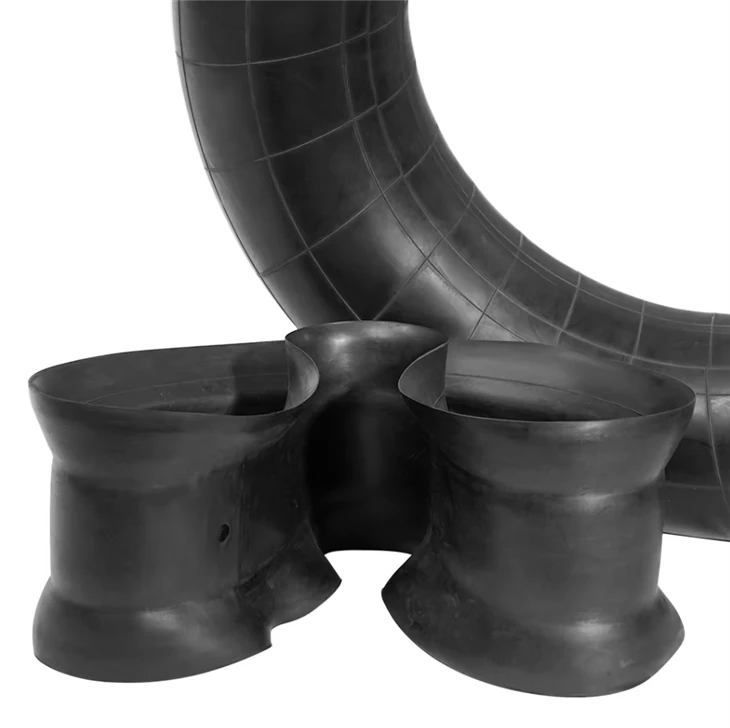
Hey there! As an industrial tire flap supplier, I've seen my fair share of worn - out and well - maintained tire flaps. Today, I want to talk about the signs that an industrial tire flap needs to be replaced. You might be wondering why it's so important to keep an eye on these seemingly small parts. Well, a good industrial tire flap can protect your tire tubes from damage, reduce friction, and improve overall tire performance. So, let's dive right in!
Visible Wear and Tear
One of the most obvious signs that an industrial tire flap needs replacing is visible wear and tear. If you see cracks, cuts, or punctures on the surface of the flap, it's a major red flag. These damages can be caused by sharp objects on the road, extreme heat, or just plain old age. For example, in a construction site, the rough terrain can expose the tire flaps to rocks and debris, leading to cuts and abrasions.
When the flap has cracks, it can no longer provide a smooth surface between the tire tube and the rim. This can cause the tube to rub against the rough edges of the crack, leading to a flat tire or even a blowout. And cuts or punctures can allow air to escape from the tube, reducing tire pressure. So, if you notice any of these visible damages, it's time to consider a replacement. You can check out our Forklift Rubber Flap for a durable and reliable option.
Loss of Elasticity
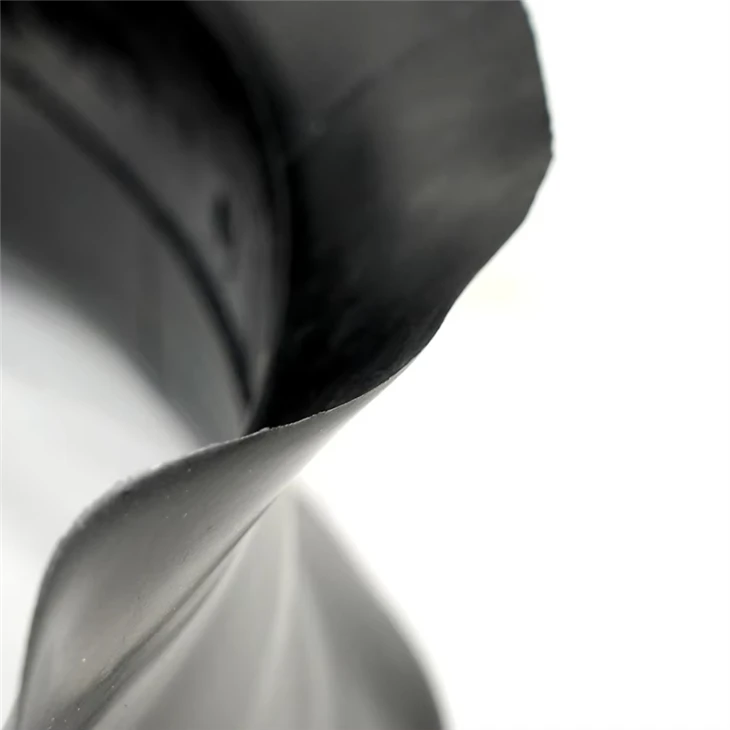
Industrial tire flaps are usually made of rubber, which has a certain level of elasticity. Over time, due to exposure to heat, chemicals, and constant pressure, the rubber can lose its elasticity. You can test this by gently bending the flap. If it feels stiff and doesn't bounce back easily, it's a sign that the rubber has degraded.
When the flap loses its elasticity, it can't conform to the shape of the tire and the rim as well as it should. This can lead to uneven pressure distribution on the tire tube, causing premature wear. For instance, in a long - haul trucking operation, the constant movement and vibration can accelerate the loss of elasticity in the tire flaps. So, make sure to check the elasticity regularly, and if it's gone, swap it out with a new one.
Excessive Heat
Another sign that something is wrong with your industrial tire flap is excessive heat. You can feel the temperature of the tire after a period of use. If the tire flap area is unusually hot, it could indicate a problem. Excessive heat can be caused by a variety of factors, such as improper installation, excessive friction, or a damaged flap.
When a tire flap generates too much heat, it can break down the rubber faster. This heat can also transfer to the tire tube, causing it to expand and contract more than normal, which can lead to tube failure. In a high - speed industrial application, like a conveyor belt system, overheating tire flaps can cause serious disruptions. So, if you notice excessive heat, it's a clear sign that you need to replace the flap. Our Natural Tire Tube Flap 16/70 - 20 is designed to handle high - temperature situations better, so it might be a great choice for you.
Uneven Wear
Uneven wear on the industrial tire flap is also a tell - tale sign that it needs to be replaced. You should inspect the flap regularly to see if one side is more worn than the other or if there are specific areas of excessive wear. Uneven wear can be caused by misaligned wheels, improper tire inflation, or a problem with the vehicle's suspension.
For example, in a forklift, if the wheels are not properly aligned, the tire flap will experience more pressure on one side, leading to uneven wear. This uneven wear can compromise the integrity of the flap and cause it to fail prematurely. So, if you spot any signs of uneven wear, don't wait too long to replace the flap.
Frequent Flat Tires
If you're experiencing a lot of flat tires, the industrial tire flap could be the culprit. A damaged or worn - out tire flap can't protect the tube from sharp objects or excessive friction. As a result, the tube is more likely to get punctured or damaged, leading to flats.
In a busy industrial environment, like a warehouse or a mining site, flat tires can cause significant downtime and cost. So, if you're having frequent flat tires, it's worth taking a closer look at the tire flaps. Replace them if necessary, and you might just solve the problem.
Outdated or Incorrect Flap
Sometimes, the industrial tire flap you're using might be outdated or incorrect for your application. As technology advances, new and improved tire flaps are being developed that offer better performance, durability, and heat resistance. If you're still using an old - model flap, it might not be up to the task.
Also, make sure you're using the right size and type of flap for your tire. Using an incorrect flap can lead to all sorts of problems, including poor fit, uneven wear, and reduced protection. So, if you're not sure, it's a good idea to consult with us, and we can help you find the perfect tire flap for your needs.
Conclusion
In conclusion, keeping an eye on your industrial tire flaps is crucial for the safety and performance of your tires. Whether it's visible wear and tear, loss of elasticity, excessive heat, uneven wear, frequent flat tires, or an outdated flap, there are several signs that can tell you when it's time for a replacement.
We, as an industrial tire flap supplier, are dedicated to providing you with high - quality tire flaps that can meet your specific needs. If you've noticed any of the signs mentioned above, don't hesitate to reach out to us for a replacement. We can offer you a wide range of options, like the Forklift Rubber Flap and the Natural Tire Tube Flap 16/70 - 20.
If you're interested in purchasing our industrial tire flaps or have any questions, feel free to contact us for a procurement discussion. We're here to help you keep your tires in top shape!
References
- "Tire and Wheel Technology" - A comprehensive guide on tire components and their maintenance.
- Industry reports on industrial tire usage and best practices.