

Hey there! As a supplier of sack truck inner tubes, I often get asked about how to test the durability of these essential components. Well, you're in the right place! In this blog, I'll walk you through some practical ways to assess the durability of a sack truck inner tube.
Why Durability Testing Matters
First off, let's talk about why durability testing is so important. Sack trucks are used in a variety of industries, from warehouses to delivery services. The inner tubes in these trucks are constantly under stress, whether it's from carrying heavy loads, rolling over rough surfaces, or being exposed to different temperatures. A durable inner tube can save you a lot of time and money in the long run by reducing the frequency of replacements and minimizing downtime.
Visual Inspection
The first step in testing the durability of a sack truck inner tube is a simple visual inspection. Before you even start any fancy tests, take a good look at the tube. Check for any obvious signs of damage, like cuts, tears, or punctures. Also, look at the overall condition of the rubber. Is it cracked or dry? If so, it might not be very durable.
You should also pay attention to the valve. A faulty valve can lead to air leakage, which can quickly reduce the lifespan of the inner tube. Make sure the valve is in good working condition and that it's properly sealed.
Pressure Testing
One of the most common ways to test the durability of an inner tube is through pressure testing. You'll need a pressure gauge and an air pump for this test. Start by inflating the inner tube to the recommended pressure, which you can usually find on the sidewall of the tube or in the manufacturer's specifications.
Once the tube is inflated, let it sit for a while and check the pressure regularly. If the pressure drops significantly over a short period of time, it could be a sign that the tube has a leak or that it's not holding pressure well. This is a big red flag when it comes to durability.
Load Testing
Sack trucks are designed to carry heavy loads, so it's important to test the inner tube's ability to handle that weight. You can do a simple load test by placing a known weight on the sack truck and rolling it around on a flat surface. Make sure the weight is evenly distributed and that it's within the recommended load capacity of the truck.
As you roll the truck, pay attention to how the inner tube behaves. Does it seem to be under too much stress? Are there any signs of bulging or deformation? If so, the inner tube might not be durable enough to handle the loads it's meant to carry.
Abrasion Testing
In a real-world setting, sack truck inner tubes are likely to come into contact with rough surfaces, which can cause abrasion. To test the tube's resistance to abrasion, you can use a simple abrasion tester or create a makeshift one. For example, you can rub the inner tube against a rough surface, like sandpaper, for a certain number of cycles.
After the abrasion test, examine the tube for any signs of wear. If the rubber has worn down significantly or if there are any exposed cords, the tube might not be very durable.
Temperature Testing
Temperature can have a big impact on the durability of a sack truck inner tube. Extreme heat can cause the rubber to expand and become more prone to damage, while extreme cold can make it brittle. To test the tube's performance in different temperatures, you can use a temperature chamber or simply expose the tube to different environments.
For example, you can leave the tube in a hot car for a few hours and then check its condition. Similarly, you can place it in a freezer overnight and see how it holds up. If the tube shows signs of damage or becomes less flexible after being exposed to extreme temperatures, it might not be suitable for use in a wide range of conditions.
Chemical Resistance Testing
Sack trucks are sometimes used in environments where they might come into contact with chemicals, like cleaning agents or oils. To test the inner tube's chemical resistance, you can expose a small sample of the tube to different chemicals and observe how it reacts.
For example, you can soak a piece of the tube in a solution of a common cleaning agent for a certain period of time and then check for any signs of swelling, discoloration, or softening. If the tube shows significant damage after being exposed to chemicals, it might not be durable enough for use in a chemical-rich environment.
Comparing Different Inner Tubes
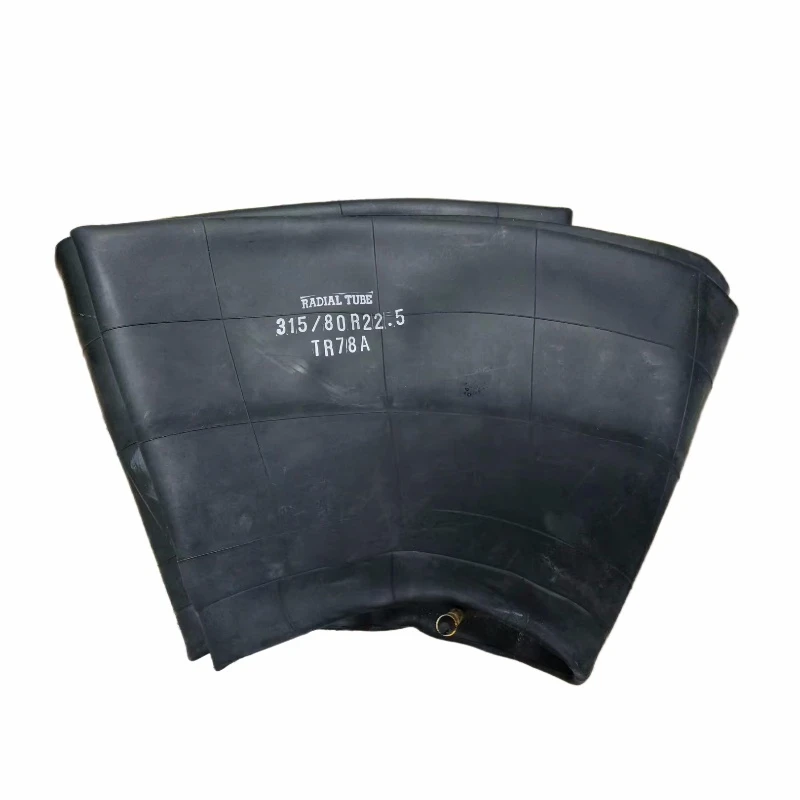
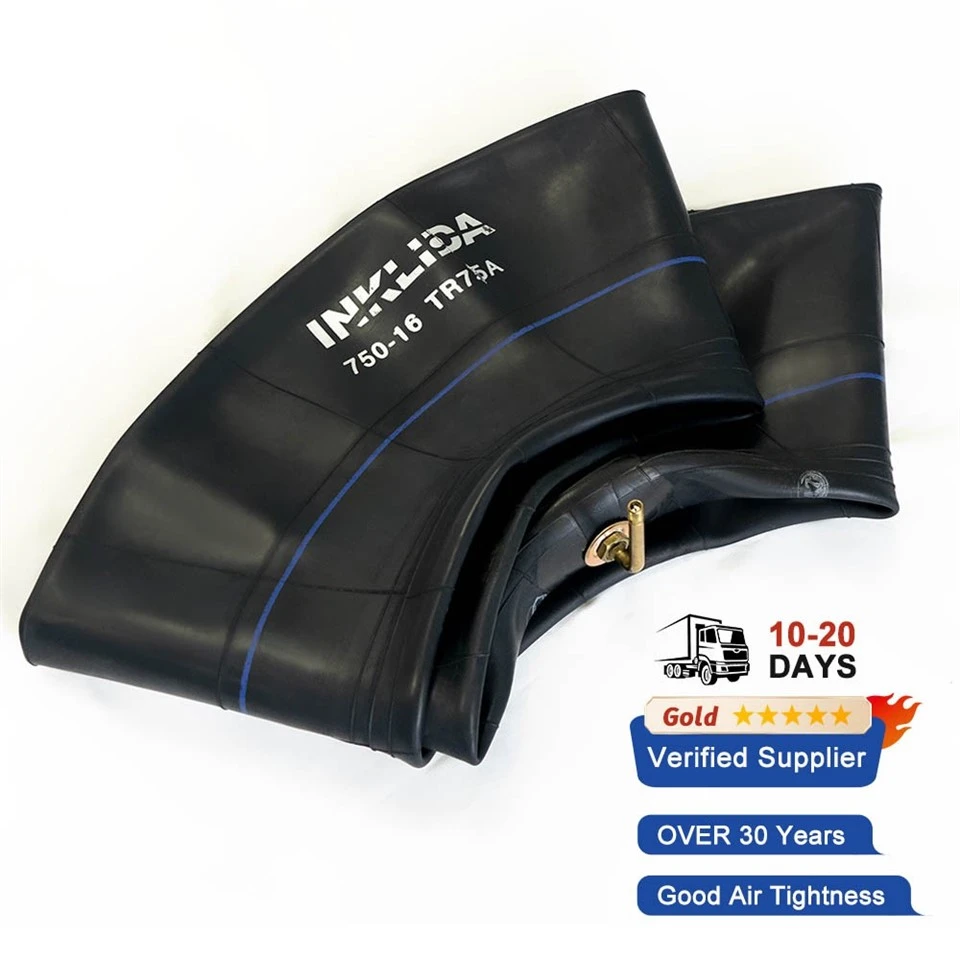
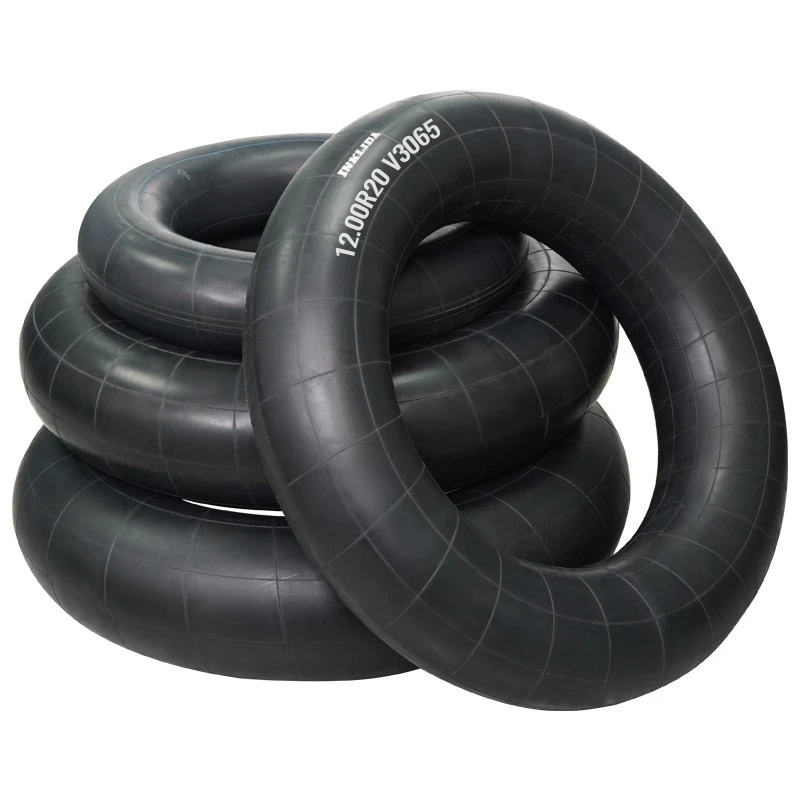
When you're testing the durability of sack truck inner tubes, it's a good idea to compare different products. We offer a variety of inner tubes, such as the Radial Tire Inner Tube, Inner Tube 825R16 Light Truck, and 12.00 - 20 Truck Inner Tube. By testing these different options, you can see which one offers the best durability for your specific needs.
Conclusion
Testing the durability of a sack truck inner tube is crucial to ensure that you're getting a high-quality product that will last. By using the methods I've outlined above, you can make an informed decision when choosing an inner tube for your sack truck.
If you're interested in purchasing sack truck inner tubes or have any questions about durability testing, feel free to reach out. We're here to help you find the best inner tube solution for your business.
References
- Tire Industry Association: Guidelines for Inner Tube Testing
- Rubber Manufacturers Association: Technical Reports on Inner Tube Durability