

Tire pressure is a critical aspect of vehicle maintenance that often gets overlooked. As a tire supplier, I've seen firsthand the impact of improper tire pressure on vehicle performance, safety, and fuel efficiency. In this blog post, I'll share some essential tips on how to check tire pressure correctly and why it's so important.
Why Checking Tire Pressure Matters
Before we dive into the how-to, let's understand why checking tire pressure is crucial. Proper tire pressure ensures optimal vehicle handling, reduces tire wear, and improves fuel efficiency. Underinflated tires can lead to increased rolling resistance, which means your engine has to work harder to move the vehicle, resulting in higher fuel consumption. Over time, underinflation can also cause uneven tire wear, reducing the lifespan of your tires and potentially leading to dangerous blowouts.
On the other hand, overinflated tires have a smaller contact patch with the road, which can compromise traction and handling, especially in wet or slippery conditions. This can increase the risk of accidents and make your vehicle less responsive to steering inputs. Additionally, overinflation can cause the center of the tire tread to wear out faster, reducing the tire's ability to grip the road and increasing the likelihood of hydroplaning.
How to Check Tire Pressure
Checking tire pressure is a simple process that can be done at home with a few basic tools. Here's a step-by-step guide on how to do it:
Step 1: Gather Your Tools
You'll need a reliable tire pressure gauge. There are several types available, including digital, analog, and stick gauges. Digital gauges are the most accurate and easiest to read, but any type will work as long as it's in good condition. You may also want to have a valve cap removal tool on hand, although most valve caps can be removed by hand.
Step 2: Find the Recommended Tire Pressure
The recommended tire pressure for your vehicle can usually be found in your owner's manual or on a sticker located on the driver's side door jamb, glove box, or fuel filler door. This number represents the ideal pressure for your tires when they are cold, meaning they haven't been driven on for at least three hours.
It's important to note that the recommended tire pressure may vary depending on the vehicle's load, so if you're carrying a heavy load or towing a trailer, you may need to adjust the pressure accordingly. Always refer to your owner's manual for specific guidelines.
Step 3: Check the Tire Pressure
To check the tire pressure, start by removing the valve cap from the tire. Then, firmly press the tire pressure gauge onto the valve stem until you hear a brief hiss of air. The gauge will display the current tire pressure. Compare this number to the recommended tire pressure you found in step 2.
If the tire pressure is too low, you'll need to add air. You can do this at a gas station or use an air compressor at home. Make sure to check the pressure again after adding air to ensure it's at the correct level.
If the tire pressure is too high, you can release some air by gently pressing the small pin in the center of the valve stem with the tip of your tire pressure gauge or a small tool. Check the pressure again after releasing some air to make sure it's within the recommended range.
Step 4: Repeat for All Tires
Don't forget to check the pressure in all four tires, including the spare tire if you have one. Tires can lose pressure over time, even if there are no visible signs of damage, so it's important to check them regularly.
Step 5: Replace the Valve Caps
Once you've checked and adjusted the tire pressure, replace the valve caps on all the tires. Valve caps help prevent dirt and moisture from entering the valve stem, which can cause damage and lead to air leaks.
Tips for Maintaining Proper Tire Pressure
In addition to checking your tire pressure regularly, there are a few other things you can do to maintain proper tire pressure:
- Check Your Tires Monthly: Make it a habit to check your tire pressure at least once a month, or more often if you drive frequently or in extreme conditions.
- Check Your Tires Before Long Trips: Before embarking on a long road trip, take the time to check your tire pressure and make sure your tires are in good condition. This can help prevent flat tires and other tire-related issues on the road.
- Inspect Your Tires for Damage: Regularly inspect your tires for signs of damage, such as cuts, bulges, or uneven wear. If you notice any damage, have your tires inspected by a professional as soon as possible.
- Rotate Your Tires Regularly: Rotating your tires helps ensure even wear and extends the lifespan of your tires. Refer to your owner's manual for the recommended tire rotation schedule.
The Importance of Using Quality Tires
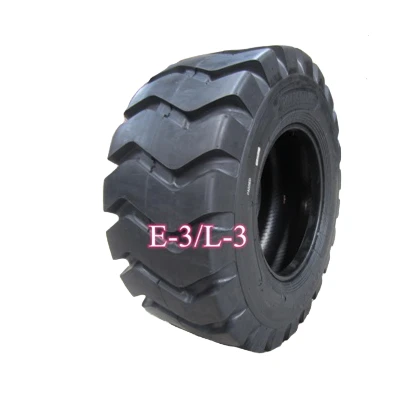
At our tire supply company, we understand the importance of using high-quality tires that are designed to perform well in a variety of conditions. That's why we offer a wide range of tires, including the Earth Mover Tire E3, which is specifically designed for heavy-duty applications.
The Earth Mover Tire E3 is built to withstand the toughest conditions, with a durable tread pattern that provides excellent traction and stability on both wet and dry surfaces. It also features a reinforced sidewall to protect against cuts and punctures, making it a reliable choice for construction sites, mines, and other heavy-duty applications.
In addition to the Earth Mover Tire E3, we offer a variety of other tires for cars, trucks, SUVs, and commercial vehicles. Our team of experts can help you choose the right tires for your vehicle and your specific needs, ensuring that you get the best performance and value for your money.
Contact Us for Your Tire Needs
If you're in the market for new tires or need help with tire maintenance, we'd love to hear from you. Our team of experienced professionals is dedicated to providing our customers with the highest level of service and support. Whether you have questions about tire pressure, need advice on choosing the right tires, or are ready to place an order, we're here to help.
Contact us today to learn more about our products and services, and to schedule a consultation with one of our tire experts. We look forward to working with you to keep your vehicle safe, reliable, and performing at its best.
References
- "Tire Pressure: How to Check and Maintain It." Consumer Reports, https://www.consumerreports.org/cro/news/2012/09/tire-pressure-how-to-check-and-maintain-it/index.htm.
- "Why Proper Tire Pressure Is Important." AAA, https://www.aaa.com/autorepair/articles/why-proper-tire-pressure-is-important.
- "Tire Maintenance: How to Check Tire Pressure." Goodyear, https://www.goodyear.com/en-US/tire-care/tire-maintenance/how-to-check-tire-pressure.