

Under - inflating a tire inner tube can have a multitude of consequences that range from minor inconveniences to serious safety hazards. As a tire inner tube supplier, I've seen firsthand the impact of improper inflation on various types of inner tubes, from those used in bicycles to motorcycles. In this blog, I'll delve into the science behind under - inflation and explain what happens when you don't keep your tire inner tubes properly inflated.
1. Increased Rolling Resistance
One of the most immediate effects of under - inflating a tire inner tube is an increase in rolling resistance. When a tire is under - inflated, the contact patch (the area of the tire that touches the ground) becomes larger. This larger contact patch means that more of the tire's surface is in friction with the road. As a result, the tire has to work harder to roll forward.
For cyclists, this increased rolling resistance translates into more effort needed to pedal. You'll find yourself expending more energy to maintain the same speed as you would with properly inflated tires. In the case of motorcycles, the engine has to work harder to overcome the extra resistance, which can lead to decreased fuel efficiency. Studies have shown that even a slight under - inflation can cause a noticeable increase in fuel consumption over time.
2. Uneven Tire Wear
Under - inflation also leads to uneven tire wear. The increased contact patch puts more stress on the outer edges of the tire. As the tire rolls, these outer edges bear the brunt of the load, causing them to wear out faster than the center of the tire. This uneven wear pattern not only shortens the lifespan of the tire but also affects its performance.
For example, a bicycle tire with uneven wear may not grip the road as well, especially in wet or slippery conditions. A motorcycle tire with uneven wear can lead to instability, making it more difficult to control the bike. This is particularly dangerous at high speeds or when making sharp turns. If you're using a 20*4.0 Bicycle Inner Tube, under - inflation can significantly reduce the life of your tire and inner tube combination.
3. Overheating of the Tire
When a tire is under - inflated, it flexes more than it should as it rolls. This excessive flexing generates heat. The heat build - up can be quite significant, especially during long rides or when the vehicle is carrying a heavy load. Overheating can damage the rubber compound of the tire and the inner tube.
The high temperatures can cause the rubber to break down, leading to a loss of strength and elasticity. In extreme cases, the overheating can even cause the inner tube to burst. For motorcycle riders, a tire blowout at high speed can be extremely dangerous and may result in a serious accident. If you're using a Motorcycle Tire Inner Tube 300 - 21, proper inflation is crucial to prevent overheating and potential blowouts.
4. Reduced Load - Carrying Capacity
Tires are designed to carry a specific load based on their inflation pressure. When a tire is under - inflated, its load - carrying capacity is reduced. This means that the tire may not be able to support the weight of the vehicle and its passengers or cargo safely.
For example, if you're using a bike to carry groceries or other items, an under - inflated tire may struggle to handle the extra weight. This can lead to further problems such as increased wear, overheating, and even a higher risk of a flat tire. In the case of motorcycles, under - inflated tires may not be able to support the weight of the rider and any additional luggage, which can affect the bike's stability and handling.
5. Higher Risk of Punctures
An under - inflated tire is more vulnerable to punctures. The larger contact patch and the increased flexing make the tire more likely to come into contact with sharp objects on the road. The softer, more flexible tire may not be able to resist the penetration of nails, glass, or other debris as effectively as a properly inflated tire.
Once a puncture occurs, the inner tube is at risk of losing air rapidly. If you're using a Rubber Flap 26.5 - 25 to protect your inner tube, an under - inflated tire may still allow debris to reach the inner tube more easily. A punctured inner tube can leave you stranded on the road, whether you're on a bicycle or a motorcycle.
6. Impact on Handling and Safety
All of the above factors combined have a significant impact on the handling and safety of the vehicle. The increased rolling resistance, uneven tire wear, overheating, reduced load - carrying capacity, and higher risk of punctures can make the vehicle more difficult to control.
For cyclists, an under - inflated tire can make the bike feel sluggish and unresponsive. It may be harder to steer, brake, or accelerate smoothly. In the case of motorcycles, the handling issues can be even more pronounced. Uneven tire wear can cause the bike to pull to one side, and overheating can lead to sudden tire failures. These problems can put the rider at a high risk of accidents, especially in traffic or on busy roads.
Conclusion
As a tire inner tube supplier, I cannot stress enough the importance of proper tire inflation. Under - inflating a tire inner tube can lead to a host of problems that affect performance, safety, and the lifespan of your tires and inner tubes. By maintaining the correct inflation pressure, you can ensure a smoother, safer, and more efficient ride.
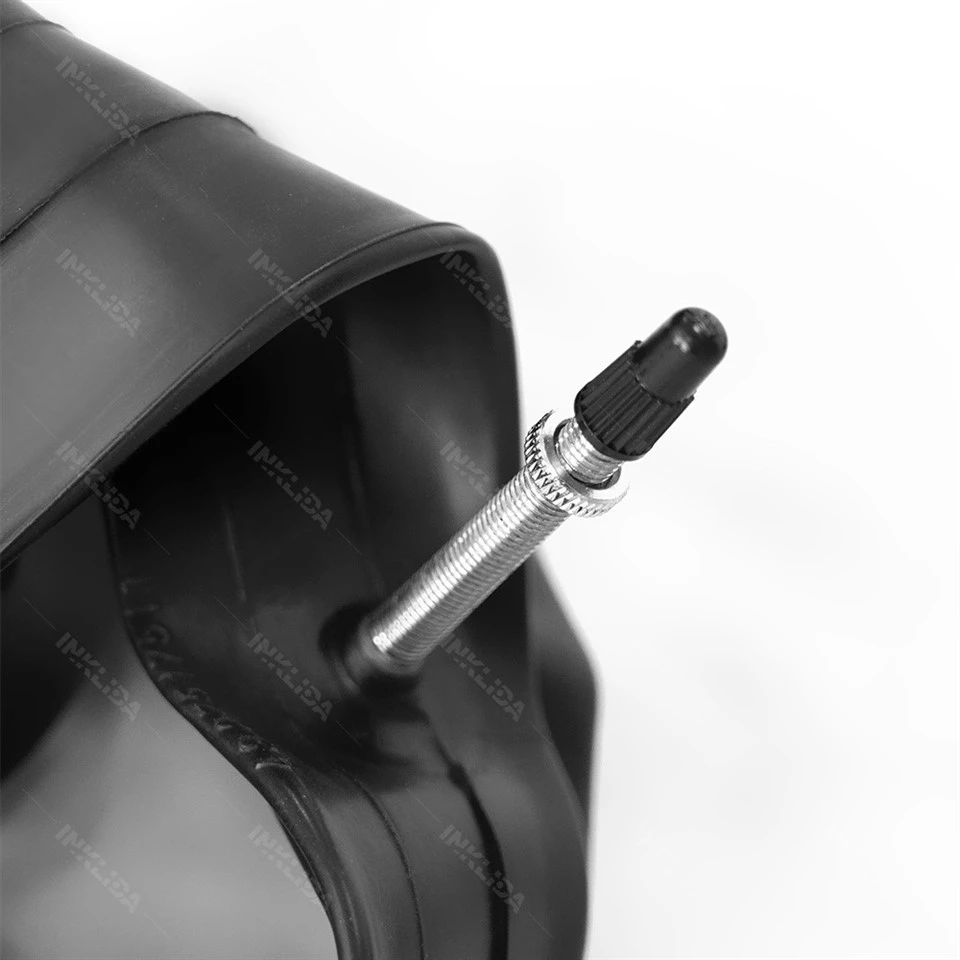
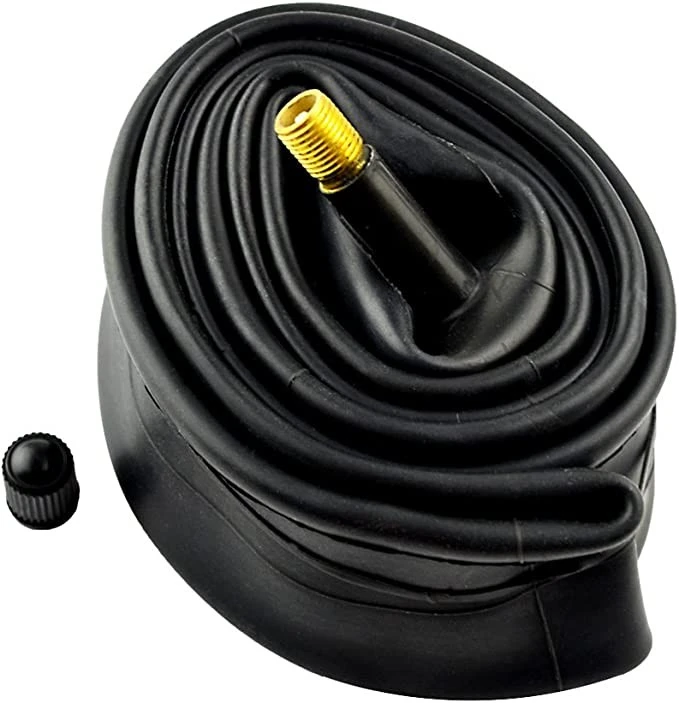
If you're in the market for high - quality tire inner tubes, whether it's a 20*4.0 Bicycle Inner Tube, a Motorcycle Tire Inner Tube 300 - 21, or other types, we have a wide range of products to meet your needs. Contact us for more information and to discuss your specific requirements. Our team of experts is ready to assist you in finding the perfect tire inner tube for your vehicle.
References
- "The Effects of Tire Pressure on Vehicle Performance and Safety," Journal of Automotive Engineering.
- "Tire Wear and Inflation Pressure: A Comprehensive Study," Tire Technology International.
- "Fuel Efficiency and Tire Inflation," International Journal of Energy Research.