

Hey there! As a tire supplier, I often get asked about different types of tires, and one question that comes up quite a bit is, “What is a run - flat tire?” Well, let me break it down for you.
First off, a run - flat tire is a pretty cool piece of tech. It's designed to keep you rolling even after you've got a puncture. You know how a regular tire would go flat as a pancake in no time if it gets a nail or something in it? A run - flat tire doesn't do that. Instead, it can support the weight of your vehicle for a certain distance and at a limited speed, even when it loses air pressure.
How do they work? There are two main types of run - flat tire technologies. The first one is the self - supporting run - flat tire. These tires have reinforced sidewalls. When the tire loses air, these thick, strong sidewalls take on the weight of the vehicle. They're like the bodyguards of the tire world, stepping in when things go wrong.
The other type is the auxiliary supported run - flat system. This one has a special ring or support structure inside the tire. When the tire deflates, this support structure keeps the tire from collapsing and allows you to keep driving. It's like having a secret backup plan hidden inside your tire.
Now, you might be wondering, “Why would I want a run - flat tire?” Well, there are some major advantages. For starters, safety. If you get a flat tire on the highway, changing it can be really dangerous. With a run - flat tire, you don't have to pull over immediately and risk getting hit by other cars. You can drive to a safe place, like a gas station or a repair shop.
Convenience is another big plus. You don't have to carry around a spare tire. Spare tires take up a lot of space in your trunk, and let's face it, changing a tire is a pain in the neck. With run - flat tires, you can say goodbye to that hassle.
But it's not all sunshine and rainbows. Run - flat tires also have some drawbacks. They're usually more expensive than regular tires. The technology that makes them run - flat adds to the cost. And they tend to be a bit stiffer, which can result in a rougher ride. You might feel every little bump on the road a bit more.
If you're in the market for run - flat tires, it's important to know that they're not a one - size - fits - all solution. Different vehicles require different types of run - flat tires. You need to make sure you get the right ones for your car, truck, or SUV.
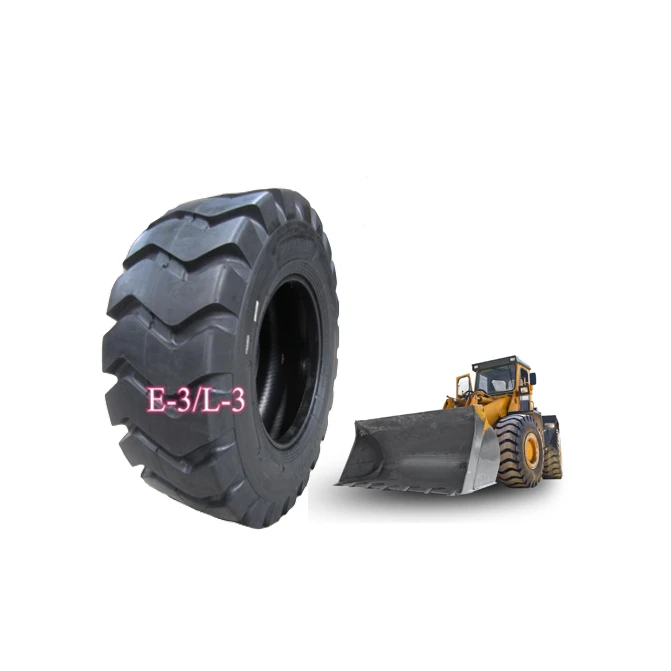
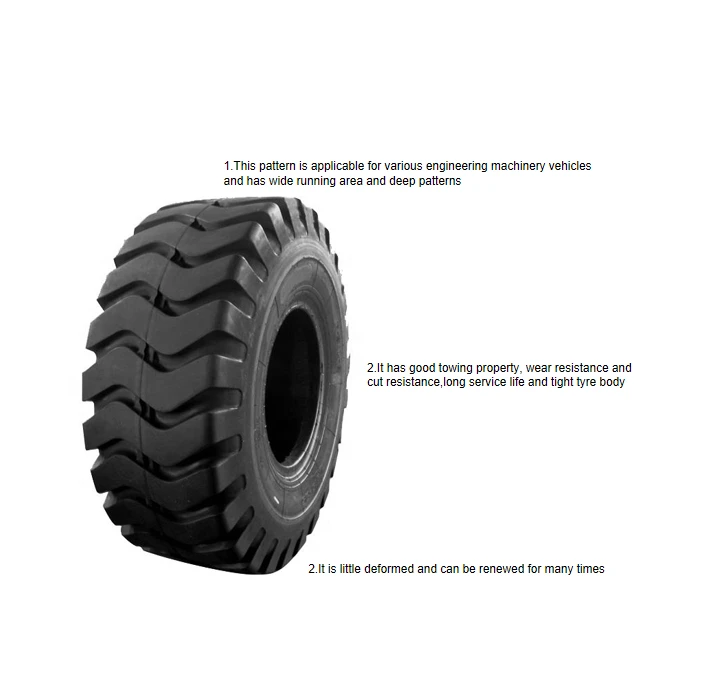
As a tire supplier, I've seen all kinds of run - flat tires. We've got options for all sorts of vehicles, from compact cars to heavy - duty trucks. And if you're into heavy - duty work, like earth moving, we've got some great options too. Check out our Earth Mover Tire E3. It's built tough to handle the rough conditions of construction sites and mining areas.
When it comes to maintaining run - flat tires, there are a few things to keep in mind. You still need to check your tire pressure regularly. Just because they can run with low pressure doesn't mean you should let them. Low tire pressure can cause uneven wear and reduce the lifespan of your tires.
Also, once a run - flat tire has been driven on while flat, it usually needs to be replaced. You can't just patch it up like a regular tire. That's because the sidewalls or the support structure might have been damaged during the flat run.
Another thing to consider is that not all tire repair shops are equipped to handle run - flat tires. So, it's a good idea to know where you can get them serviced before you run into a problem.
Now, let's talk about the future of run - flat tires. The technology is constantly evolving. Manufacturers are working on making them more affordable, more comfortable to ride on, and even more reliable. There are also efforts to improve the range and speed at which you can drive on a flat run - flat tire.
As a tire supplier, I'm excited to see where this technology goes. We're always looking for the latest and greatest products to offer our customers. And we're committed to providing the best advice and support to help you choose the right tires for your needs.
If you're thinking about getting run - flat tires, or if you have any questions about them, don't hesitate to reach out. We're here to help you make an informed decision. Whether you're a daily commuter, a long - distance traveler, or someone who needs heavy - duty tires for work, we've got the solutions for you.
In conclusion, run - flat tires are a great innovation in the tire world. They offer increased safety and convenience, but they also come with some trade - offs. As a tire supplier, I believe that understanding these pros and cons is key to making the right choice for your vehicle.
So, if you're ready to take the plunge and upgrade to run - flat tires, or if you just want to learn more, give us a shout. We're looking forward to helping you find the perfect tires for your ride.
References
- Michelin Run - Flat Tire Technology Guide
- Bridgestone Run - Flat Tire Information
- Goodyear Run - Flat Tire Research and Development Reports